Moon Jellyfish Care Guide: Tank Setup, Diet, Tank Mates, and More


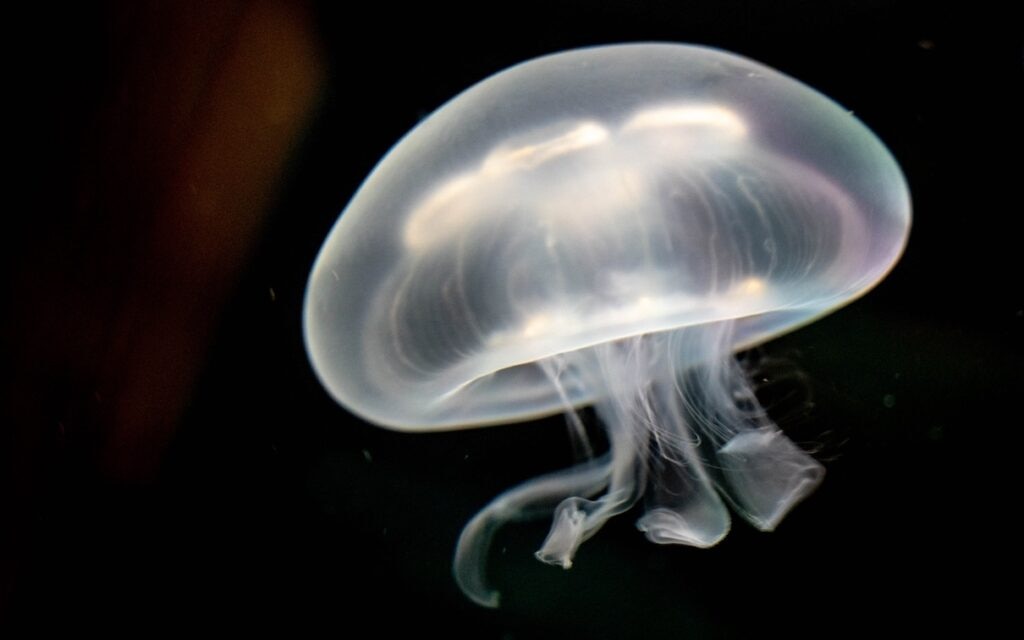
Photo by Adobe/mite
Moon jellyfish (Aurelia aurita) are mesmerizing marine animals, but caring for them requires specialized equipment and experience. These delicate jellies need a specialized aquarium, appropriate food, excellent water quality, and meticulous care.
Key Takeaways
- Moon jellyfish require a specialized Kreisel aquarium with gentle water flow and excellent water quality to stay healthy.
- Feed moon jellyfish suspended foods twice daily, and keep their tank free of uneaten food, air bubbles, and hydroids.
- Keep moon jellyfish only with other moon jellyfish, as their stinging cells can injure other tank mates.
What Are Moon Jellyfish?
Moon jellyfish, also called moon jellies, are translucent marine invertebrates easily recognized by their bell-shaped bodies and four visible, horseshoe-shaped reproductive organs. They have no brain or bones and rely heavily on water currents to move through their environment.
Moon jellyfish are generally best suited to intermediate or advanced aquarists because they require specialized saltwater aquariums, carefully controlled water parameters, and consistent maintenance.
Moon Jellyfish Tank Setup and Requirements
Moon jellyfish are delicate swimmers that rely heavily on water currents to move through their environment.
Because their delicate bells are easily damaged, moon jellyfish need a specialized Kreisel-style aquarium that creates gentle, circular water flow and prevents them from becoming trapped against tank surfaces.
- Minimum tank size: 5 gallons; allow at least 1.5 gallons per jellyfish
- Tank lids: Not typically necessary
- Décor and substrate: None
- Aquarium lighting: Optional aquarium-safe LED lighting
- Live plants: None
- Swimming space: The entire tank
- Water flow: Gentle, continuous circular flow
Recommended Product

Water Parameters
Stable water quality is essential for moon jellyfish. Test the aquarium regularly and keep the following parameters within the recommended ranges:
- Temperature: 53–75 F
- pH: 8.4
- Salinity: 1.023–1.026
- Nitrate: < 20 ppm
- Nitrite: 0 ppm
- Ammonia: 0 ppm
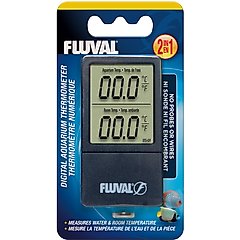
Depending on the ambient temperature and jellyfish species, a heater may not be necessary. Use an aquarium thermometer to monitor the water temperature and keep it within the recommended range.
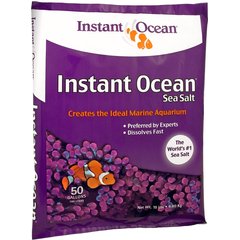
Use an appropriate marine salt mix to prepare saltwater and maintain the aquarium’s recommended salinity.
Recommended Products
Filtration and Water Flow
Moon jellyfish need gentle, continuous water movement that keeps them suspended without pulling them against the filter intake.
A jellyfish-specific Kreisel-style aquarium typically incorporates filtration and a pump designed to create this circular flow.
Recommended Product

Cycling and Stocking
In an established saltwater aquarium, beneficial bacteria process toxic waste products through the nitrogen cycle.
A new aquarium must establish enough beneficial bacteria to process waste before adding moon jellyfish. This process, called tank cycling, establishes the aquarium’s nitrogen cycle:
- Ammonia enters the aquarium as organic matter breaks down.
- Beneficial bacteria convert toxic ammonia into nitrite.
- Other bacteria convert nitrite into less harmful nitrate.
Because moon jellyfish should not be added until the aquarium is fully cycled, follow the tank manufacturer’s instructions for fishless cycling before introducing them.
Once fully cycled, the tank is safe for moon jellyfish. Adding them prior to this can be dangerous and even deadly. Since jellyfish aquariums lack any substrate, this cycle may take a bit longer.
Do not add moon jellyfish until ammonia and nitrite are both 0 ppm. Elevated ammonia or nitrite can damage their delicate tissues.
Maintenance
Maintenance for your moon jellyfish tank can be broken down into daily, weekly, and monthly tasks.
| Daily Tank Maintenance | Weekly Tank Maintenance | Monthly Tank Maintenance |
|---|---|---|
| Check for tangled tentacles, air bubbles, or bell damage | Test water parameters | Replace necessary filter media |
| Monitor water flow | Perform 15–25% water changes | Clean and inspect equipment |
| Feed every day | Clean tank surfaces | |
| Clean out uneaten food | Rinse filters | |
| Identify and remove stinging hydroids |
Note: Avoid handling moon jellyfish unless necessary, as their delicate bodies are easily damaged. If you must move one, follow your supplier’s recommended handling method and avoid contact with the tentacles; moon jellyfish can sting.
What Do Moon Jellyfish Eat?
Moon jellyfish are carnivores that feed on small organisms suspended in the water. When prey contacts their tentacles, specialized stinging cells called nematocysts help capture it and move it toward the mouth.
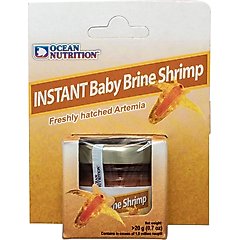
Feed adult moon jellyfish ⅛–¼ teaspoon of appropriately sized food twice daily or follow your supplier’s feeding recommendations. Suitable foods include:
- Live baby brine shrimp
- Specialized pellets for jellyfish
- Finely chopped mysis
- Rotifers
- Copepods
Recommended Products

Moon Jellyfish Tank Mates and Compatibility
Moon jellyfish may look peaceful, but they aren’t suitable tank mates for fish or most other aquarium animals. Jellyfish drift with the current and use stinging cells to capture prey that contacts their tentacles.
For this reason—and because other animals may injure their delicate bodies—moon jellyfish are best kept in a species-only aquarium with other moon jellyfish.
Signs of a Healthy Moon Jellyfish
Choose a reputable supplier experienced in keeping, packing, and shipping jellyfish. Before purchasing, look for signs that the jellyfish are healthy, including:
- Smooth, round bells
- Intact tentacles and oral arms
- Full stomachs (if purchasing from a store)
- Pulsing movements
Moon jellyfish are often sold when their bells are only a few inches across. Although they can grow considerably larger in the wild, captive size varies with genetics, diet, water quality, and aquarium conditions.
Research moon jellyfish care thoroughly and have a fully cycled, properly equipped aquarium ready before bringing them home.
How to Keep Moon Jellyfish Healthy
Jellyfish are sensitive animals, and it doesn’t take much to damage their bodies.
- Move slowly when cleaning the aquarium to avoid injuring their delicate bells and tentacles.
- Keep jellyfish away from the siphon during water changes.
- Remove uneaten food promptly to protect water quality.
- Watch for hydroids, which can sting and injure jellyfish.
- Maintain stable water parameters and test the water regularly.
- Avoid overcrowding, which can damage tentacles and oral arms.
- Check the bells daily for folding, tears, or other changes.
Moon Jellyfish FAQs
How big do moon jellyfish get?
Moon jellyfish size varies, but their bells can reach about 12 inches across. Captive size depends on genetics, diet, water quality, and aquarium conditions.
Can jellyfish live alone?
Yes. Moon jellyfish can live alone, although multiple moon jellies can be kept together if the aquarium provides enough space.
What size tank does a jellyfish need?
This care guide recommends at least a 5-gallon specialized jellyfish aquarium, with about 1.5 gallons of water per moon jellyfish.
How long do moon jellyfish live?
Moon jellyfish typically live for about a year, although lifespan varies with environmental conditions and care.
Are jellyfish immortal?
Moon jellyfish aren’t immortal. The so-called immortal jellyfish (Turritopsis dohrnii) can revert to an earlier life stage under certain conditions, but moon jellyfish have a finite lifespan.
Do moon jellyfish sting?
Yes. Moon jellyfish have stinging cells in their tentacles, although their sting is generally considered mild to humans. Avoid unnecessary handling and contact with their tentacles.
How do jellyfish reproduce?
Moon jellyfish reproduce both sexually and asexually during different stages of their life cycle. Adult medusae reproduce sexually, while the polyp stage can reproduce asexually.
Do jellyfish look different as they age?
Yes. As moon jellyfish age, their bells may change color or become less smooth and symmetrical.
Attributions