How to Clean Aquarium Equipment



MilanMarkovic via Getty Images
The best way to clean aquarium equipment depends on the equipment type. Regular aquarium maintenance helps your equipment run properly, keep fish healthy, and maintain water quality. Aquariums should have their own dedicated set of aquarium-safe tools and products.
Key Takeaways
- Regular aquarium maintenance makes equipment easier to clean and helps keep it working properly.
- Never use household chemicals or cleaners on your fish tank. Controlled bleach sterilization is an exception for empty tanks or used equipment.
- Properly cleaned equipment lasts longer, improves water quality, and supports the tank's overall health.
Why Cleaning Aquarium Equipment Matters
Aquariums are living ecosystems with visible organisms, such as fish and plants, as well as microscopic organisms, including beneficial bacteria, that help maintain healthy water quality.
When cleaning your equipment, always aim to keep the tank clean without harming the beneficial bacteria that support the biofilter.
How Dirty Equipment Can Affect Water Quality
Dirty tanks and equipment don’t just look unappealing; they can harm fish health, reduce equipment performance, and lower water quality. Here’s how:
- Debris buildup: Debris can increase organic waste and raise nitrate or phosphate levels.
- Reduced filter flow: Clogged filters can restrict water flow and make pumps work harder.
- Algae growth: Algae buildup can interfere with equipment and make the tank harder to keep clean.
- Uneaten food and organic matter: These can build up on equipment and worsen water quality.
- Clogged tubing and intakes: Heavy buildup can reduce flow rate through tubing and make filter intakes less efficient.
- Reduced equipment performance: When equipment has to work harder, it may wear out faster.
Types of Aquarium Cleaning
When it comes to cleaning your equipment, there are different levels. The most common is basic cleaning as part of weekly maintenance. Then there’s a deep tank clean, which you may only need to do several times a year.
Lastly, sterilization typically happens only when you get a used tank or clean up after a parasite or disease outbreak.
Aquarium Cleaning Supplies
Aquarium cleaning supplies aren’t the same as household supplies. Never use regular household cleaning products like soap, chemical cleaners, detergents, or liquid or aerosol sprays to clean aquariums.
The basic cleaning supplies for a freshwater tank and a saltwater tank are very similar. Here are the special tools you need to clean your aquarium:
- Dedicated aquarium brush with bristles suited to the surface
- Aquarium-safe sponge or pad
- Siphon and hose
- Towel
- Clean bucket
- Trimming tool set (for corals and planted tanks)
- Pump cleaner
- Algae scraper
Note: Use buckets, sponges, and brushes only for aquarium maintenance, and never expose them to soap or household chemicals.
Recommended Products
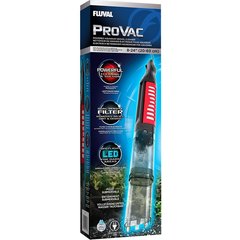
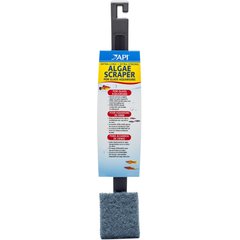
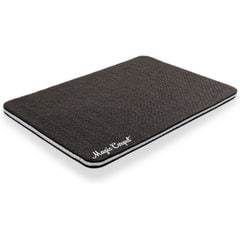
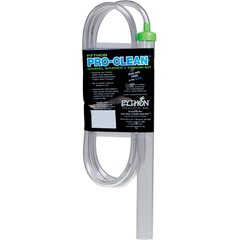
How to Clean Aquarium Equipment in 9 Steps
Cleaning your aquarium’s equipment doesn’t have to be overcomplicated. Here’s a quick-reference checklist for beginner and experienced aquarists alike.
- Turn off and unplug aquarium equipment
- Remove equipment carefully
- Set aside water removed during a water change to rinse filter media
- Remove algae and debris
- Rinse equipment with aquarium water, dechlorinated water, or clean water
- Inspect equipment for damage
- Soak any equipment with mineral deposits to remove buildup if it’s compatible with the equipment
- Reassemble and restart the equipment
- Observe and listen to make sure everything is running properly
How to Clean Each Type of Aquarium Filter
Sponge, hang-on-back, and canister filters work slightly differently and require different cleaning methods to maintain a healthy bacterial population.
However, one rule applies to all three: do not clean aquarium filters with tap water.
Sponge Filters
To clean a sponge filter, disconnect the sponge section from the air tubing. Gently squeeze it in water removed from the aquarium during a water change. This should dislodge any stuck detritus.
Once it looks clean, place it back in the tank and reconnect the tubing.
Recommended Products
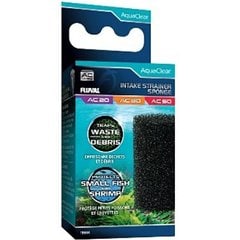

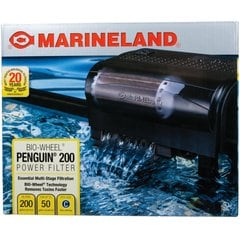
Hang-On-Back Filters
While you should always follow the manufacturer’s instructions, the basic steps for a hang-on-back (HOB) filter are to remove any single-use filter media and replace it with a new cartridge. First, rinse the new cartridge in water removed from the aquarium during a water change.
Rinse any reusable filter media in the same way before putting it back in the filter.
Recommended Products

Canister Filters
These filters have several sections, each holding a different type of media. Replace single-use media, such as filter floss or filter pads. Gently rinse clogged biological media, such as ceramic blocks or bio balls, with water removed from the aquarium during a water change.
If there is a lot of detritus and waste at the bottom of the canister, dump it out in the sink.
Recommended Products


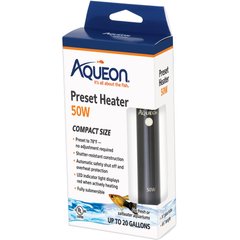
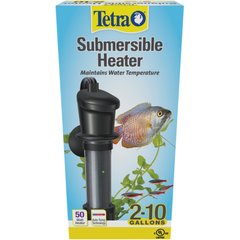
How to Clean an Aquarium Heater
An aquarium heater is another essential piece of equipment for your tank. Here’s how to keep it in the best shape:
- Unplug the heater and let it cool for the time specified by the manufacturer
- Remove the heater and visually inspect the outside for damage
- Remove any algae or mineral buildup
- Check for cracks, damage, condensation, or water inside the heater
- Follow the manufacturer’s instructions for any additional cleaning or replacement
Condensation or water inside a heater can indicate failure, and you should not reuse a damaged heater.
Recommended Products
How to Clean Aquarium Air Stones, Pumps, and Tubing
Keeping aquarium air stones, pumps, and tubing clean helps maintain strong airflow and supports a healthy tank environment.
With a few simple cleaning steps, you can remove buildup, prevent blockages, and extend your equipment’s life.
Air Stones
Inspect air stones regularly and clean or replace them when buildup reduces airflow. If you notice excess algae, detritus buildup, or reduced airflow, gently scrub the air stone with a toothbrush.
If airflow doesn’t improve or the air stone starts to crumble, replace it.
Pumps
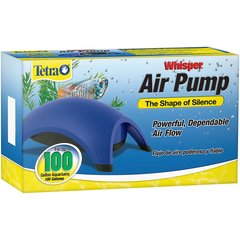
A tank’s main life-support pump runs constantly, and to run efficiently, it needs cleaning at least four times a year, though the ideal schedule depends on buildup and the manufacturer’s instructions.
Use a toothbrush to clean the impeller, impeller cage, and surrounding area, removing any buildup of detritus.
Recommended Product
Tubing
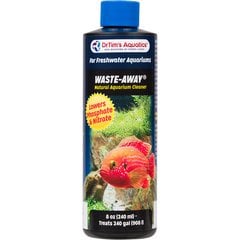
Use a long-handled bristle brush to clean inside the tubing. Products like Waste Away can help break down buildup. Use only as directed on the product label, and confirm it is appropriate for the equipment and aquarium inhabitants.
If the tubing is dirty, replacing it may be easier than cleaning it. Additionally, tubing can harden or crack over time and may need replacement even when it appears clean.
Recommended Products
How to Clean Aquarium Decorations and Artificial Plants
Regular cleaning helps keep aquarium decorations looking good and easy to maintain.
Remove decorations and artificial plants from the aquarium during a water change, place them in a bucket of water, and use a brush to clean them. A toothbrush or grout brush can help remove stubborn algae.
Avoid soaking decorations made from porous, painted, or unknown materials unless you’re sure they’re aquarium-safe. If the paint on a decoration flakes off or looks dull, replace it.
How to Clean Aquarium Gravel and Substrate
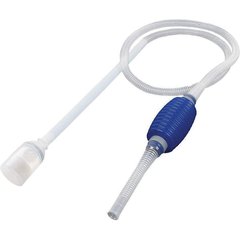
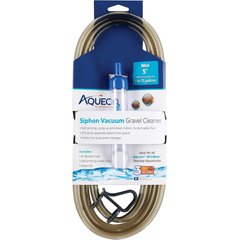
The easiest way to clean most aquarium substrate is with a gravel vacuum. Here’s how:
- Securely place the flexible hose in your discard bucket.
- Hold the flexible hose in one hand and the siphon in the other.
- Use the rigid siphon tube to scoop up some aquarium water, then raise it above the rest of the hose.
- As the water begins draining into the bucket, quickly lower the siphon tube horizontally into the aquarium to refill it. If done correctly, this should start the siphon.
- Place the siphon tube into the substrate to pull up detritus. If it starts lifting gravel or sand, gently pinch the flexible hose to reduce the flow. Let the substrate settle back down before moving to the next area.
If the tank is particularly dirty or it’s been a long time since a deep cleaning, clean only part of the substrate and save the rest for a future cleaning.
Fine substrate and gravel generally do not need to be removed before vacuuming. If you have a planted tank, avoid vacuuming plant roots, as this can damage the root systems. Avoid aggressively vacuuming planted-tank roots, and clean only part of an especially dirty substrate bed at one time
Recommended Products
Aquarium Equipment Cleaning Schedule
Regularly cleaning aquarium equipment keeps your tank clean, stable, and running properly.
Use this schedule to guide your cleaning of filters, air pumps, heaters, tubing, and other essential equipment.
| Equipment | When to Check/Clean | Signs It Needs Cleaning |
|---|---|---|
| Filter | Check weekly; clean as needed | Reduced flow, debris, unusual noise |
| Filter media | As needed | Clogged or reduced flow |
| Intake | Frequently | Visible debris or reduced flow |
| Heater | During routine maintenance | Algae or mineral buildup |
| Tubing | As needed | Algae, sludge, or reduced flow |
| Decorations | Check weekly; clean as needed | Visible algae or debris |
| Gravel/substrate | During routine water changes | Accumulated waste or elevated nitrates |
| Air pump | As needed | Reduced bubbles |
| Impeller/impeller housing | During routine filter maintenance; clean as needed | Reduced flow, unusual noise, or visible debris |
Common Aquarium Equipment Cleaning Mistakes
Avoid household cleaners, which can harm fish. Use distilled white vinegar for mineral deposits and an aquarium-safe glass cleaner for dirty outside glass. Always clean with hands free of lotions and perfumes.
If you need bleach to sterilize a hospital or used tank, dilute it, keep it away from the aquarium and equipment, and neutralize it completely before reuse.
For stubborn algae, use only a plain melamine pad on aquarium glass, with no additives or cleaning agents.
Other common mistakes to avoid include:
- Leaving equipment running while cleaning
- Skipping regular maintenance
- Cleaning or replacing all biological media at once can disrupt beneficial bacteria and water quality
- Sterilizing established filter media during routine maintenance
How to Keep Your Fish Tank Clean
Cleaning your aquarium equipment will always be part of your routine, but you can make the job easier by:
- Cleaning the glass weekly
- Removing uneaten food
- Regularly vacuuming the substrate
- Cleaning decorations as needed
- Sticking to a regular maintenance schedule
- Avoiding overfeeding, since less waste means less work for your filter
- Avoiding overstocking
- Keeping filter media clean
Cleaning Aquarium Equipment FAQs
How often should you clean aquarium equipment?
Check aquarium equipment during regular maintenance, and clean it when you notice debris, algae, mineral buildup, reduced flow, or unusual noise. Filter-media maintenance depends on the media type and manufacturer’s instructions; biological media usually needs gentler, less frequent cleaning than mechanical media.
Can I use tap water to clean aquarium equipment?
Conditioned or dechlorinated tap water may be appropriate for some equipment, but don’t use untreated tap water on biological filter media. Rinse biological media in water removed from the aquarium or follow the manufacturer’s instructions.
Should you remove fish when cleaning aquarium equipment?
Fish can usually remain in the aquarium during routine equipment cleaning. Remove them only when you must empty the tank, the cleaning process could expose them to unsafe substances, or you can’t safely remove the equipment with the fish inside.
Should I clean my aquarium filter every time I change the water?
No. Inspect the filter during water changes, but clean it only when flow is reduced, debris has accumulated, or the manufacturer recommends it. Avoid replacing or thoroughly cleaning all filter media at once.
Can I use bleach to clean aquarium equipment?
You can use bleach to sterilize used aquarium equipment or hospital tanks between uses, but make sure it’s properly diluted for cleaning and fully neutralized before using the tank again.
How do you clean algae off aquarium decorations?
Remove the decorations and scrub them with a dedicated aquarium brush using water removed during a water change. Avoid soap and household cleaners, and replace decorations if paint is peeling or the material is damaged.
Can you clean aquarium equipment with vinegar?
Yes. You can use diluted white vinegar to remove mineral deposits from compatible aquarium equipment, such as heaters, pumps, and tubing.
Remove the equipment from the tank, soak or wipe it with vinegar, scrub away the buildup, and rinse it thoroughly with clean water before putting it back. Never add vinegar directly to an active aquarium or mix it with bleach or other cleaners.
Attributions