What Are the Best Aquarium Cleanup Crews?
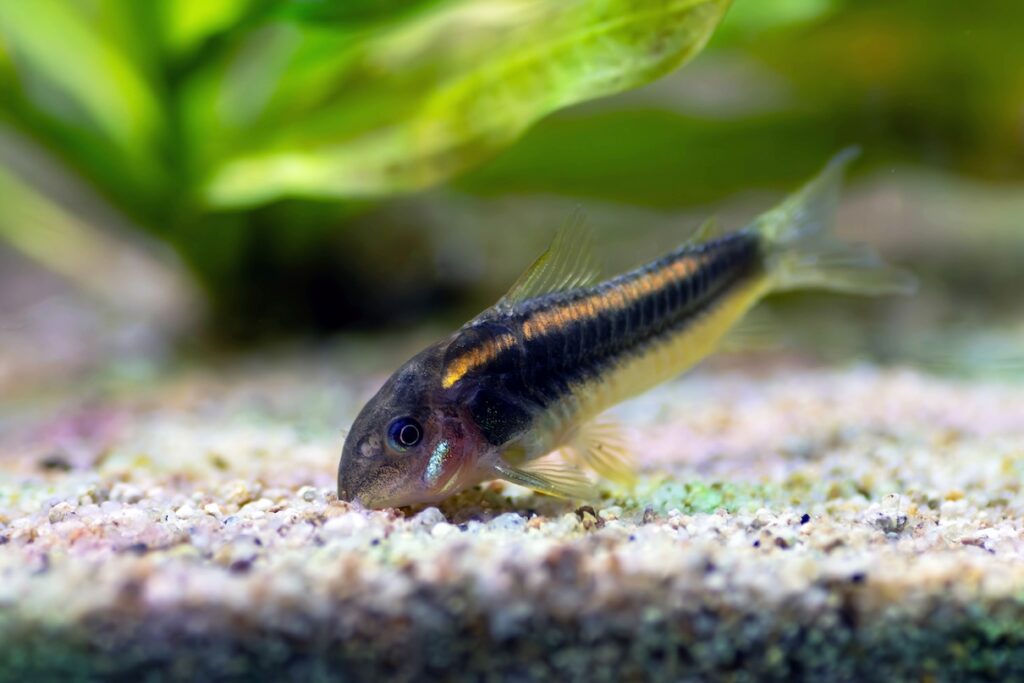
Photo by vojce via Getty Images
An aquarium cleanup crew can help manage algae, uneaten food, and detritus, but it cannot replace water changes, water testing, or routine maintenance.
The best species depends on your tank type, aquarium size, water parameters, available food, and existing tank inhabitants.
Key Takeaways
- Aquarium cleanup crews include fish, snails, shrimp, crabs, and other species that help manage algae, biofilm, detritus, and uneaten food.
- Choose cleanup crew species based on your tank type, tank size, water parameters, available food, and existing tankmates.
- Cleanup crews supplement (not replace) water changes, filtration, algae control, and regular aquarium maintenance.
What Is an Aquarium Cleanup Crew?
An aquarium cleanup crew, or CUC, is a group of compatible fish and invertebrates that helps consume algae, biofilm, detritus, and uneaten food.
Some marine species may also display cleaning behaviors, but they cannot replace disease treatment or routine aquarium maintenance.
Cleanup crews can help manage visible waste, but they cannot fix poor water quality, compensate for overfeeding, or replace water changes and other routine maintenance. CUCs also produce waste, so view them as part of the aquarium’s bioload—not as a way to eliminate it.
Aquarium Cleanup Crews: At a Glance
| Species | Freshwater or Saltwater | Diet | Beginner-Friendly? | Tank Size |
|---|---|---|---|---|
| Nerite snails | Freshwater | Herbivorous | Yes | 10 gallons |
| Amano shrimp | Freshwater | Omnivorous | Yes | 5 gallons |
| Otocinclus catfish | Freshwater | Herbivorous/ aufwuchs (surface) grazers | No | 20 gallons |
| Bristlenose plecos | Freshwater | Omnivorous | Yes | 20 gallons |
| Siamese algae eaters | Freshwater | Omnivorous | Yes | 55 gallons |
| Corydoras catfish | Freshwater | Omnivorous | Yes | 20 gallons |
| Trochus snails | Saltwater | Herbivorous | Yes | 20 gallons |
| Nassarius snails | Saltwater | Omnivorous | Yes, in a mature tank | 20 gallons |
| Cerith snails | Saltwater | Omnivorous | Yes | 10 gallons |
| Hermit crabs | Saltwater | Omnivorous | Yes | 10 gallons |
| Emerald crabs | Saltwater | Omnivorous | Yes | 10 gallons |
| Cleaner shrimp | Saltwater | Omnivorous | Yes | 20 gallons |
| Tuxedo urchins | Saltwater | Herbivorous | Yes | 20 gallons |
Benefits of Adding a Cleanup Crew
- Better algae control: Some cleanup crew species graze on specific types of algae, biofilm, or diatoms. No single species eats every type of algae.
- Healthier water quality: Some cleanup crew members consume uneaten food and detritus, which can help reduce visible waste. However, they still produce waste and cannot prevent nutrient buildup on their own.
- Reduced maintenance: With a cleanup crew, you have less waste to clean up. However, just because they clean up doesn’t mean you don’t need to. Cleanup crews break waste down into smaller particles that are easier to remove through filtration or during water changes.
- More natural aquarium ecosystem: A cleanup crew can support a more natural-looking aquarium by filling specific ecological roles, such as grazing algae or scavenging detritus.
Best Freshwater Aquarium Cleanup Crew Species
The right cleanup crew organisms can help keep a freshwater aquarium looking its best by grazing on algae, leftover food, and other organic debris.
Here are some of the best smaller fish and invertebrates to consider, along with what each species brings to your tank.
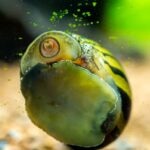
Nerite Snails
- Benefits: Great at grazing algae on the surface
- What they eat: Green spot or filamentous algae, and biofilm
- Limitations: May lay eggs in freshwater, but the larvae need brackish or saltwater conditions to develop
- Tank size: 10 gallons
- Special care considerations: May require supplementary wafers or vegetables; sensitive to poor water quality and copper medications
Amano Shrimp
- Benefits: Low bioload and great cleaners
- What they eat: Biofilm, decomposing organics, hair algae, blackbeard algae, and thread algae
- Limitations: Don’t control green spot algae; need saltwater to complete their lifecycle, and larvae require brackish water and specialized care
- Tank size: 10 gallons or larger
- Special care considerations: May require supplementary food; require calcium to support their molts
Otocinclus Catfish
- Benefits: Good at keeping biofilm and soft algae under control in mature, planted aquariums
- What they eat: Biofilm, soft algae, and diatoms
- Limitations: Don’t eat black beard or green spot algae
- Tank size: 10–20 gallons
- Special care considerations: Will likely require supplementary food
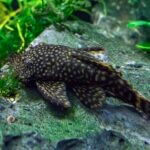
Bristlenose Plecos
- Benefits: Peaceful community species that grazes on some algae species
- What they eat: Soft algae, diatoms, and biofilm
- Limitations: Many problematic algae are ignored by bristlenose plecos
- Tank size: 20 gallons per fish
- Special care considerations: Need an established aquarium, driftwood, supplemental food, hiding places, and strong filtration; produce more waste than their small size suggests
Siamese Algae Eater
- Benefits: Active algae grazers that constantly scour the tank
- What they eat: Algae that many fish avoid, including black beard and filamentous algae
- Limitations: May require fish flakes and other prepared food as they get older and are less likely to eat algae
- Tank size: Minimum 55 gallons
- Special care considerations: You can keep a single fish alone, but groups need extra space and careful monitoring for aggression
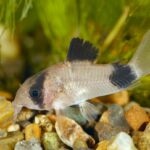
Corydoras Catfish
- Benefits: Peaceful bottom-dwellers that consume some uneaten food and detritus
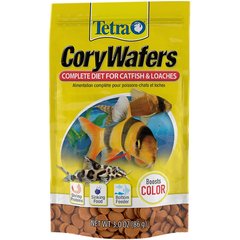
- What they eat: Decaying plant material, leftover food waste, and prepared foods like sinking wafers; however, they are not dedicated algae eaters
- Limitations: Rough decorations and sharp gravel can damage cory cat barbels
- Tank size: 20 gallons or more
- Special care considerations: Sensitive to changing water parameters; need space for larger groups
Recommended Products
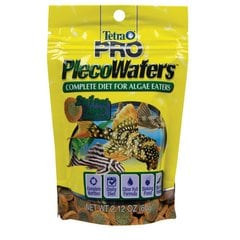
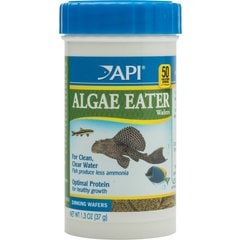
Best Saltwater Aquarium Cleanup Crew Species
A good saltwater tank cleanup crew can help control algae, leftover food, and other debris while adding even more life to your aquarium.
These snails, crabs, shrimp, and urchins can help keep your marine aquarium cleaner when matched to your tank’s algae, substrate, tankmates, and food supply.
Trochus Snails
- Benefits: Hard workers that can right themselves if they get flipped over
- What they eat: Green algae, diatoms, cyanobacteria, and sometimes even green hair algae
- Limitations: Generally not a great fit for predator or Fish-Only with Live Rock (FOWLR) tanks
- Tank size: 10 gallons
- Special care considerations: Sensitive to water parameters and medications; require slow acclimation
Nassarius Snails
- Benefits: Excellent at scavenging sand beds
- What they eat: Detritus and fish food waste in the tank
- Limitations: Need a mature sand bed with enough organic material to eat; may starve in a new or overly clean aquarium
- Tank size: 20 gallons
- Special care considerations: Sensitive to nitrates and copper medications
Cerith Snails
- Benefits: Can clean algae out of harder-to-reach places
- What they eat: Detritus, biofilm, algae, and leftover food waste
- Limitations: Vulnerable in predator or FOWLR tanks with puffers, triggers, and other predatory fish
- Tank size: 10 gallons
- Special care considerations: Sensitive to nitrates and copper medications
Hermit Crabs
- Benefits: Hardworking and always on the move
- What they eat: Algae and leftover food
- Limitations: Choose smaller species carefully; even “reef-safe” hermit crabs may attack snails for their shells or disturb other invertebrates
- Tank size: 5–10 gallons
- Special care considerations: Will eat sick or dying fish and snails; sensitive to nitrates and copper medications
Emerald Crabs
- Benefits: May eat algae no other CUC members will touch
- What they eat: Bubble algae (Valonia sp.)
- Limitations: Individual behavior varies; hungry crabs may nip at corals or other invertebrates, so they require careful monitoring
- Tank size: 10 gallons
- Special care considerations: Sensitive to nitrates, copper medications, and overfeeding
Cleaner Shrimp
- Benefits: Well-known for their ability to remove nuisance pests
- What they eat: Small meaty foods, uneaten fish food, and other available organic material; some may also pick at parasites or dead tissue on fish
- Limitations: May be eaten by fish in predator or FOWLR tanks
- Tank size: 20 gallons
- Special care considerations: May stress fish out with constant picking; cannot treat a parasite outbreak; sensitive to nitrates and copper medications
Tuxedo Urchins
- Benefits: Hardy and grazes algae from rocks and other hard surfaces
- What they eat: Green hair algae (GHA)
- Limitations: May starve in a clean aquarium and can move unsecured coral fragments or decorations
- Tank size: 20 gallons
- Special care considerations: Need a mature aquarium with enough algae or supplemental food; secure coral fragments and avoid copper-based medications
Recommended Products
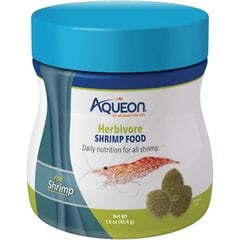
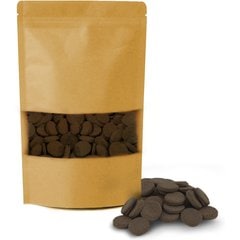
How to Stock Aquarium Cleanup Crews
No universal number of CUC animals works for every aquarium. Stocking depends on the species’ adult size, available algae and detritus, tank maturity, water parameters, and existing tankmates. Here are some tips:
- Start with a small number, monitor the animals’ body condition and behavior, and add more only if the aquarium can support them
- Make sure there aren’t too many CUCs; signs include unexplained deaths, thin or inactive animals, competition for food, and a lack of algae or detritus
- Add cleanup crew animals only after the aquarium has completed its nitrogen cycle and can provide the food and stable water conditions required by the species
Which Cleanup Crew Fish Are Compatible?
Not every CUC member fits your tank. Here is some general guidance for freshwater and saltwater tanks.
Freshwater Tanks
Check each cleanup crew species against the aquarium’s fish and invertebrates before adding it. Predatory fish, large crayfish, and some larger shrimp may eat or injure smaller snails and shrimp.
Evaluate compatibility species by species rather than assuming every cleanup crew animal is safe.
Saltwater Tanks
Small hermit crabs and snails can coexist, but some hermits may attack snails for their shells. Providing several empty shells and monitoring interactions can reduce this risk.
Predatory fish may eat cleaner shrimp, and some species may compete with or irritate other invertebrates. FOWLR tanks aren’t automatically unsuitable for cleanup crews; the right choice depends on the individual fish and invertebrate species.
10 Common Aquarium Cleanup Crew Mistakes
A cleanup crew can make aquarium maintenance easier, but they’re not a substitute for proper tank care.
Avoiding a few common mistakes can help keep these hardworking species healthy while ensuring they’re a good fit for your aquarium.
- Buying too many cleanup crew animals at once
- Choosing a species that does not match the tank’s size or water type
- Adding animals before the tank is cycled and mature enough to provide food
- Assuming every cleanup crew species eats algae
- Ignoring supplemental feeding
- Adding incompatible species
- Skipping acclimation
- Skipping quarantine when appropriate
- Using cleanup crews to replace water changes, testing, or manual algae removal
- Using copper-based medications that can harm invertebrates
Each cleanup crew species has different dietary, social, and water-quality requirements, so research the individual animal rather than relying on the general label “cleaner.”
Aquarium Cleanup Crew FAQs
Can you have too many algae eaters?
Yes. If algae and detritus do not meet the animals’ nutritional needs, they may compete for food or slowly starve.
When should I add a cleanup crew?
Add a cleanup crew after the tank has cycled and is a bit more mature to ensure they have a food source.
Which cleanup crew is safest with live plants/planted aquariums?
Nerite snails, Amano shrimp, and many Corydoras are generally compatible with live plants. Otocinclus usually graze algae and biofilm from plant surfaces without eating healthy leaves.
What cleanup crew is best for a reef tank?
No single cleanup crew is best for a reef tank. Trochus and Cerith snails may help with film algae, Nassarius snails scavenge in the sand, small hermits consume algae and detritus, and tuxedo urchins may help control hair algae in mature tanks.
Can a cleanup crew replace water changes?
No. While many species eat algae and break down waste, you still need to physically remove excess nutrients and waste from the system.
How many cleanup crew animals do I need?
There is no universal formula. Base the number on the species’ adult size, tank maturity, available algae and detritus, water parameters, and existing tankmates.
What is the best supplemental food for cleanup crew organisms?
Supplemental food depends on the species. Algae-eating fish may accept algae wafers or blanched vegetables, while shrimp, snails, crabs, and scavenging fish may need sinking pellets, wafers, seaweed, or other species-appropriate foods.
Do not assume algae and leftovers provide a complete diet.
Do aquarium cleanup crews eat fish poop?
Some cleanup crew animals consume detritus or uneaten food particles, but they do not eliminate fish waste.
Attributions