Corydoras Catfish Care Guide: Tank Setup, Diet, Tank Mates, and More



Photo by isoft via Getty Images
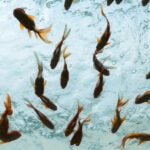
Corydoras catfish, often called cory cats, are small, peaceful bottom dwellers that thrive in freshwater community tanks. These social fish live in shoals and are relatively hardy, making them a good choice for beginner fishkeepers.
With more than a hundred Corydoras species, there are plenty to choose from. We refer to all of these fish as Corydoras, though scientists now classify some into different groups.
Key Takeaways
- Keep corydoras in groups of six or more so they feel secure and display their natural shoaling behavior.
- Provide a clean, well-maintained tank with soft sand or fine gravel to protect their sensitive barbels.
- Feed a varied diet of quality sinking foods and check them daily for signs of illness or stress
What Are Corydoras Catfish?
Corydoras catfish, also called corys or cory cats, are small freshwater catfish native to South America. These peaceful fish can be a good choice for beginner aquarists. Depending on the species, cory cats typically grow 1–3 inches long and can live five to 10 years with proper care.
There are more than 160 species traditionally classified as Corydoras, but some of the most common types kept in freshwater aquariums include
- Panda cory
- Green and Albino cory (color varieties of the same species)
- Julii cory
- Emerald Green “cory” (a larger cory relative in the genus Brochis)
Corydoras Catfish Tank Setup & Habitat
In their native South American habitats, Corydoras live in rivers, streams, ponds, and other freshwater environments. The bottom may contain sand, leaf litter, detritus, and other natural materials.
Here’s how to create a comfortable freshwater aquarium for cory cats.
Tank Setup
Caring for cory cats starts with the right tank setup. Their relatively straightforward care requirements can make them a good choice for beginners.
- Minimum tank size: 20 gallons (but tank needs vary among cory cats)
- Stocking: Keep at least six compatible cory cats together, and choose a larger aquarium if you plan to keep a bigger group or additional tank mates.
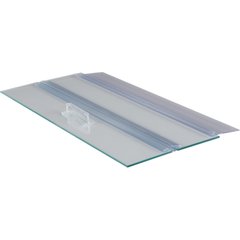
- Tank lids: Use a secure lid, as cory cats occasionally dart to the surface and may accidentally jump from an uncovered tank.
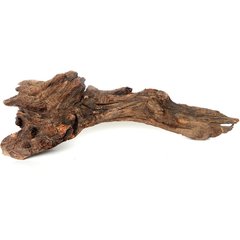
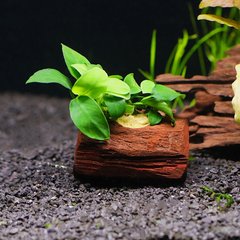
- Aquarium decor: Choose aquarium-safe décor that provides hiding spots and overhangs to help them feel safe.
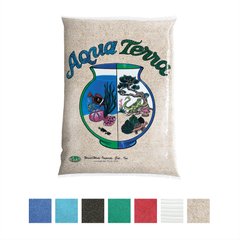
- Substrate: Choose soft sand or smooth, fine gravel to help protect cory cats’ sensitive barbels.
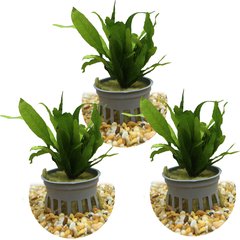
- Live aquarium plants: Submerged aquatic vegetation mimics corys’ native environment and provides cover that helps them feel safe in a larger community tank.
- Swimming space: Because cory cats spend much of their time near the bottom, prioritize an aquarium with plenty of horizontal floor space.
Recommended Products
Water Parameters
Stable water parameters are essential for keeping cory cats healthy. Try to keep your water parameters within the following ranges:
- Temperature: 72–82 F
- pH: 6.5–7.8
- Hardness level: soft to hard
- Ammonia: 0 ppm
- Nitrite: 0 ppm
- Nitrate: less than 40 ppm
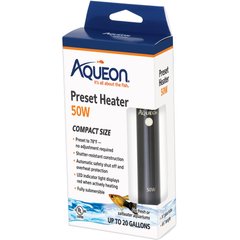
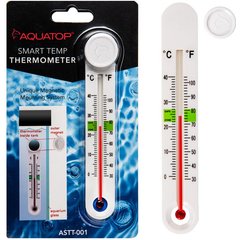
Use an aquarium thermometer to monitor the water temperature, and use a heater when needed to keep temperatures stable and appropriate for the species.
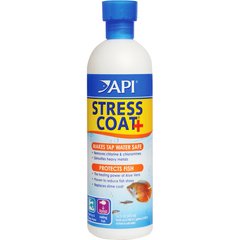
When using tap water for water changes, treat it with an aquarium water conditioner that neutralizes chlorine and chloramine.
Recommended Products
Filtration and Oxygenation
Cory cats generally do well with low to moderate water flow and good oxygenation. Choose filtration that keeps the water clean without creating excessively strong currents. Filtration and aeration options include:
- Hang-on-back filter (HOB) with adjustable flow
- Biological filtration from bacteria and plants
- Filter cartridges containing carbon or specialized media
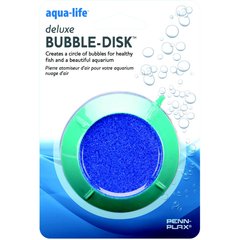
- Air stones
Recommended Products


Cycling and Stocking
During the nitrogen cycle, beneficial bacteria convert toxic ammonia into nitrite and then into less toxic nitrate. Cory cats are sensitive to ammonia and nitrite, so add them only after the aquarium is fully cycled and tests show 0 ppm ammonia and 0 ppm nitrite.
Before adding new cory cats to an established aquarium, quarantine them according to your veterinarian’s or aquatic specialist’s recommendations.
- Allows you to monitor new fish for signs of illness
- Helps you make sure they’re eating normally
- Reduces the risk of introducing infectious disease to the main aquarium
Maintenance
Maintenance for your corydoras catfish tank can be broken down into daily, weekly, and monthly tasks.
| Daily Tank Maintenance | Weekly Tank Maintenance | Monthly Tank Maintenance |
|---|---|---|
| Observe swimming, shoaling behavior, appetite, and appearance | Test water parameters and rinse out filters | Replace necessary filter media |
| Feed an appropriate amount | Perform 10–25% water changes using a gravel vacuum | Inspect and clean equipment |
| Remove uneaten food | Vacuum debris from substrate and clean algae | Check decor and secure plants |
Corydoras Catfish Diet
As omnivores, cory cats eat a variety of foods, including insect larvae, microorganisms, and other organic matter. Cory cats are not a substitute for regular aquarium cleaning and should not be expected to survive on leftover food alone.
In an aquarium, feed juvenile cory cats two to three small meals per day and adults about once daily, adjusting the amount based on how much they eat and your veterinarian’s or aquatic specialist’s recommendations.
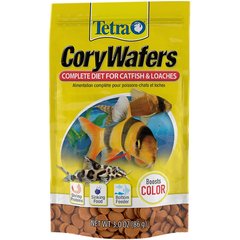
- Sinking wafers
- Pellets
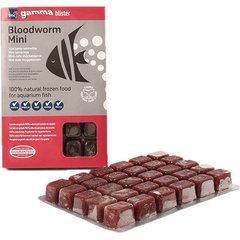
- Frozen foods such as bloodworms or daphnia
Recommended Products


Tank Mates and Compatibility
Corydoras fill an important niche in community tanks as bottom dwellers. These peaceful shoaling fish can live with many similarly sized, non-aggressive freshwater fish, including:
No matter what other species you mix with cory cats, don’t add too many fish. A 20-gallon tank will adequately house up to six corydoras and several other community fish living in the top and middle of the water column.
However, if you stock more than six cory cats, increase the tank size to accommodate their numbers and give them enough space.
Signs of a Healthy Corydoras Catfish
Choose cory cats from a reputable breeder or fish store, and observe them carefully for signs of good health before bringing them home.
- Clear eyes
- Intact fins
- A strong appetite
- Normal, active swimming behavior
- Intact barbels
- Smooth, unblemished skin
- A belly that is neither sunken nor abnormally swollen
Common Corydoras Catfish Health Problems
Look out for some of these common corydoras health issues:
- Barbel damage: Cory cats’ sensitive barbels can become damaged or eroded due to rough substrate, poor water quality, or infection.
- Ich: This parasitic disease can cause small white spots on the body and fins, along with signs such as flashing, lethargy, or rapid breathing.
- Red blotch disease: Bloody sores, particularly on a corydoras’ belly, are common and can lead to secondary infections.
- Fin rot: This may cause fins to appear frayed, ragged, or eroded and is often associated with poor water quality, stress, injury, or infection.
If your cory cat develops sores, abnormal breathing, severe lethargy, appetite loss, or other signs of illness, contact an aquatic veterinarian.
Many health issues in Corydoras can be prevented with:
- Regular and thorough substrate cleaning
- Good water quality
- Healthy diet
- Quarantining new fish
- Proper stocking and tankmates
Corydoras Catfish FAQs
How big do Corydoras catfish get?
Most cory cats grow about 1–3 inches long, although adult size varies by species.
Can corydoras catfish live alone?
No. Cory cats are social shoaling fish and should generally be kept in compatible groups of at least six.
Are cory cats aggressive?
No. Cory cats are generally peaceful, non-aggressive fish that do well in compatible community aquariums.
What size tank does a Corydoras catfish need?
A 20-gallon aquarium is a common starting point for a group of cory cats, but the appropriate tank size depends on the species, number of fish, tank footprint, and tank mates.
How long do corydoras catfish live?
Cory cats typically live five to 10 years with proper care, although lifespan varies by species and individual.
Do Corydoras clean the tank?
Cory cats may eat some food and organic matter from the bottom of the aquarium, but they still need a complete diet and are not a replacement for regular tank cleaning.
Why do Corydoras swim to the surface?
Cory cats naturally swim to the surface occasionally to gulp air, but frequent or unusual surface activity can warrant checking water quality, temperature, and oxygenation.
Attributions