How Long Can Fish Go Without Power?


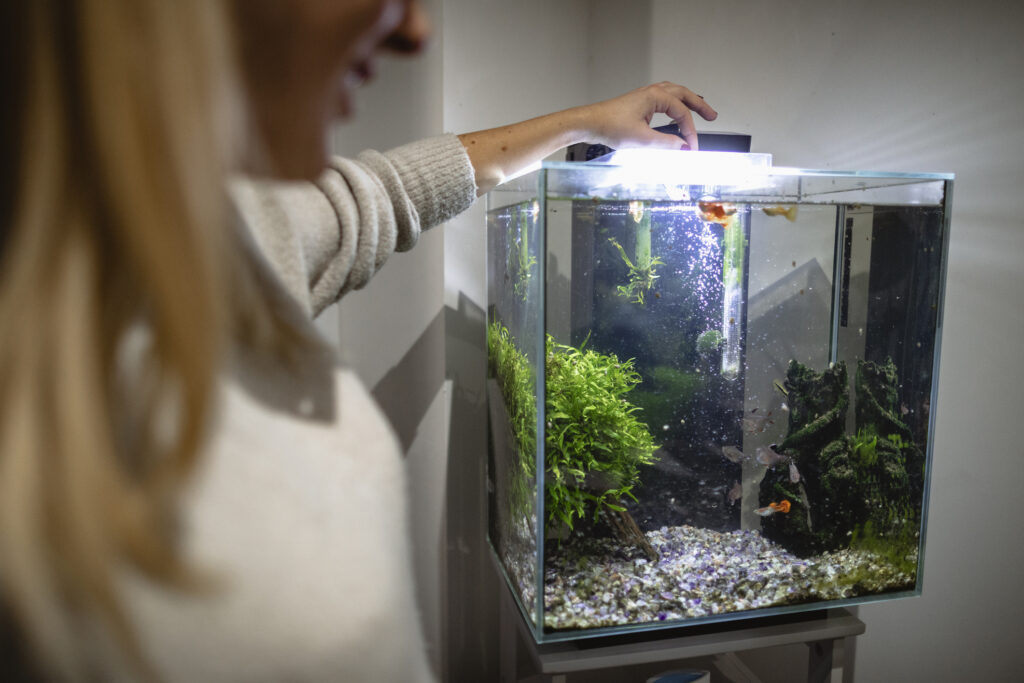
Photo by SolStock via Getty Images
Fish can survive power outages, but their survival depends on many factors, including dissolved oxygen levels, tank temperature, species, bioload, and tank size. Short outages are often more manageable, but there is no universal survival time because conditions vary by aquarium.
When the power goes out, a fish tank’s critical life-support system is cut. Without filtration, circulation, temperature control, and aeration, the longer the outage lasts, the greater the risk to fish.
Key Takeaways
- Fish can tolerate power outages for different lengths of time depending on oxygen levels, temperature, stocking level, species, and tank size.
- During an outage, prioritize aeration, stable temperatures, and water quality while avoiding feeding.
- Battery-powered air pumps, manual surface agitation, insulation, and backup power can help protect fish until electricity returns.
- After a prolonged outage, inspect the filter, test ammonia and nitrite, and monitor fish closely for signs of stress.
How Long Can Fish Survive Without Power?
Survival during a power outage depends on how long the outage lasts. Short outages are often manageable, especially in lightly stocked tanks with stable temperatures and adequate surface movement.
In general, the longer the power is out, the lower the chance of survival, and the more steps you need to take to maintain oxygen, circulation, and temperature.
| Outage Length | Possible Warning Signs | What to Do |
|---|---|---|
| 0–2 hours | Limited, if any | Closely monitor |
| 2–4 hours | Slowed movement and activity | Regularly mix surface water |
| 4–8 hours | Lethargy, slowed swimming, gasping at surface | Regularly mix surface water, keep the room closed |
| 8–24 hours | Lethargy, slowed swimming, gasping at surface | Get a portable battery powered air pump |
| 24 hours or more | Lethargy, slowed swimming, gasping at surface | Get battery-powered air pumps or consider borrowing a generator |
Note: This is an action timeline, not a fish survival timeline. In the right conditions, fish can survive for long periods.
What Happens to a Fish Tank When the Power Goes Out?
When your aquarium equipment loses power, here’s what happens:
The Oxygen Levels Can Drop
With surface movement, oxygen enters the water and carbon dioxide can off-gas.
Without a filter or other equipment to keep the surface moving, gas exchange slows, and oxygen levels may fall. Lastly, without submerged plants, oxygen levels in the tank can drop.
The Filter Stops Working
When the filters stop, the mechanical filtration no longer removes waste, so it builds up in the system. Beneficial bacteria that provide biological filtration continue using oxygen as they process waste. In stagnant, enclosed filter chambers, oxygen can become depleted over time.
In enclosed systems such as canister filters, the water and media inside the filter can become oxygen-depleted during a prolonged outage.
The Heater or Chiller Shuts Off
A tank’s temperature is steady for a while after the power shuts off. If it does fall or rise, it does so slowly. Gradual changes are generally less stressful than rapid ones, but the safe temperature range remains species-specific.
However, tank size matters for temperature. The larger the water volume, the more energy it takes to change the temperature. Larger tanks cool off or heat up more slowly than smaller systems, so they can stay stable longer after a power outage. Warm water holds less dissolved oxygen, and fish generally use more oxygen as their metabolism increases, but temperatures below a species’ safe range can also be dangerous.
The Waste Can Build Up
Once mechanical filtration shuts off, the system no longer removes suspended waste from the water.
With the filter off, fish waste builds up. Waste can accumulate, increasing oxygen demand and worsening water quality. These effects worsen as temperatures rise.
What Determines How Long Fish Can Go Without Power?
How long fish can safely go without power depends on tank size, water temperature, fish population, and available oxygen. A power outage can quickly affect filtration, aeration, and water movement, but some aquariums can maintain safe conditions longer than others.
Understanding these factors can help you protect your fish until power is restored.
- Tank size and water volume: The larger the tank, the longer the water parameters can remain stable.
- Number of fish: A properly stocked tank experiences less stress than an overstocked one. The more fish in a tank, the more waste is produced.
- Fish sizes: Larger fish generally produce more waste per individual than smaller fish, but total biomass and stocking level matter more than the number of fish alone.
- Temperature: Warm water holds less oxygen, and fish generally use more oxygen at higher temperatures. However, temperatures outside a species’ safe range can also cause stress.
- Fish species: Some fish species, like betta fish, have labyrinth organs that let them breathe oxygen at the surface, making low oxygen in the water less of an issue. Other species, like tetras or mormyrids, consume oxygen faster and face a higher risk.
- Tank type: Reef tanks, especially those with invertebrates like coral, are usually more sensitive than fish-only tanks. Once corals start to stress, they can quickly harm the whole system.
- Plants: Planted tanks have an advantage, as the submerged vegetation will continue to produce oxygen even if the power is out, as long as they have light.
- Cleanliness: A well-maintained tank before the outage will have fewer issues than one that needs maintenance and has poor water quality.
Signs of Low Oxygen in a Fish Tank
Low oxygen can quickly threaten fish and other aquarium inhabitants. Fish may gasp at the surface, breathe rapidly, become unusually lethargic, or gather near the surface or any remaining source of water movement.
Recognizing these warning signs early lets you raise oxygen levels before the problem worsens.
- Gasping at the water’s surface
- Rapid gill movement
- Fish congregating near the surface
- Unusual lethargy
- Additional signs of fish stress
What Should You Do With a Fish Tank During a Power Outage?
A power outage can disrupt filtration, water movement, heating, and oxygen levels in your aquarium. Acting quickly can help maintain safe conditions and reduce stress on your fish until power is restored.
Focus first on preserving oxygen, maintaining a stable temperature, and monitoring water quality.
- Do not feed fish during the outage.
- Keep the water surface moving to support gas exchange.
- Monitor the aquarium temperature.
- Insulate the tank without blocking ventilation or aeration.
- Watch for gasping, rapid gill movement, or unusual lethargy.
- Avoid rapid temperature changes and unnecessarily large water changes.
- Leave fish in the aquarium unless relocation is necessary and can be done safely.
- Avoid tapping on the glass or otherwise disturbing the fish.
How To Oxygenate a Fish Tank During a Power Outage
If the power goes out, take quick steps to keep oxygen flowing through the aquarium until your equipment is back up and running.
The following methods can help maintain oxygen levels and reduce stress for your fish.
- Manually agitate the water: Use a clean, aquarium-only container to gently disturb the surface and create water movement. Avoid containers that have held soap or chemicals.
- Scoop and pour aquarium water back into the tank: Use a clean container to scoop water out of the tank and gently, slowly pour it back in. The goal is to reintroduce oxygen.
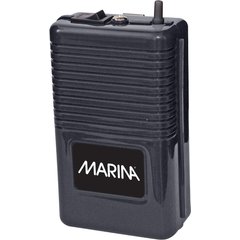
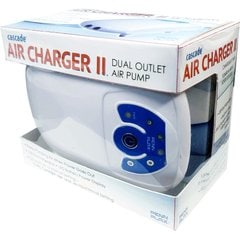
- Use a battery-powered pump: Use a battery-powered air pump or a USB air pump connected to a compatible, charged power bank. Check the pump’s voltage and wattage requirements before use.
How Long Can Fish Live Without a Filter?
During short power outages (less than two hours), a fish tank can go without a filter. Even during longer outages, fish can be okay without a filter if there’s aeration and circulation in the tank.
Fish should survive overnight during a power outage as long as the tank has supplemental aeration or circulation.
How To Keep a Fish Tank Warm During a Power Outage
The following steps will help to stabilize your aquarium temperature:
Prioritize Insulation
Cover the top of the tank and any open areas to help keep the heat in. You can also wrap the tank with spare blankets or Styrofoam sheets to help keep it warm.
Make sure you can still check on the fish or aerate the water if needed.
Stabilize the Tank
If the aquarium is near an exterior door, try to keep the door closed to help maintain a stable temperature.
Invest in Backup Power
It’s always a good idea to have an emergency power pack or battery-powered pump and batteries on hand.
If the outage looks like it will last a long time, consider a generator, especially for larger systems.
Adjust Temperature Slowly
Fish adjust more easily to gradual temperature changes and can often handle a wide temperature range.
Don’t attempt quick-fix temperature changes.
What To Do When the Power Comes Back On
When the power comes back on, go through the following items:
- Check aquarium temperature
- Confirm filters and pumps are operating
- Inspect filter media after an extended outage
- Check fish for signs of stress
- Test ammonia and nitrite after a prolonged outage
- Perform one or more small water changes
- Resume feeding cautiously
- Continue monitoring fish
Recommended Products

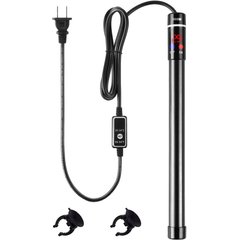
Should You Restart the Filter Immediately?
If the power has been off for more than two hours, don’t restart the filter immediately, especially if you have a canister filter.
Without flow and added oxygen, the water inside can become oxygen-deprived.
Should You Change the Tank Water Right Away?
If your tank has been off for more than two hours, test the water. If nitrite or ammonia levels are elevated, consider a partial water change.
An overly large water change can stress fish. If the temperature difference is large, do several smaller water changes to improve water quality.
How Can You Prepare Your Fish Tank for a Power Outage?
Preparing your fish tank before a power outage can help protect your fish from low oxygen, temperature changes, and poor water quality. Keep essential aquarium supplies on hand and plan how to maintain aeration, warmth, and filtration if the power goes out.
A little preparation can help you respond quickly and keep your aquarium stable.
| Backup Option | Air Pump | Filter | Heater | Best For |
|---|---|---|---|---|
| Battery air pump | Yes | No | No | Emergency oxygenation |
| USB power bank | Yes (check compatibility) | Usually no | Usually no | Short outages |
| UPS | Yes | Often | Limited | Automatic short-term backup |
| Portable power station | Yes | Yes | Depending on capacity | Longer outages |
| Generator | Yes | Yes | Yes | Extended outages |
Backup options vary widely in run time. A larger tank requires more power than a smaller one, and your power source must be able to supply it. For example, a 10-watt heater draws significantly less power than a 100-watt heater.
Recommended Products
FAQs About Fish Tanks and Power Outages
How long can fish survive in a tank without electricity?
There is no universal survival time for fish without electricity. Risk depends on dissolved oxygen, temperature, stocking level, species, tank size, and how long filtration and aeration are unavailable.
Will my fish be OK without power overnight?
A fish tank without power overnight can be dangerous if you can’t provide aeration or circulation. They may be, as long as the water stays oxygenated and the temperature stays within a safe range. Use a battery-powered air pump or another safe way to create surface movement, and monitor the fish closely.
How long can fish survive without a filter?
If the power goes out and the filter stops working, fish can survive for a long time if something is still providing oxygen, circulation, or flow to the tank. Fish can often tolerate a temporary loss of mechanical filtration if the tank remains oxygenated. However, waste and ammonia can build up, so test the water after a prolonged outage.
How long can fish live without an air pump?
Fish can live without an air pump if another source of surface movement or aeration keeps oxygen levels safe. The risk is higher in warm, heavily stocked, or poorly circulated tanks.
Should I feed my fish during a power outage?
During a power outage, when mechanical filtration isn’t running, you shouldn’t feed your fish.
If you do, it creates more waste that builds up and can negatively impact water quality.
Why are my fish gasping at the surface after a power outage?
Start emergency aeration immediately with a battery-powered air pump or by manually creating surface movement.
Do aquarium plants provide oxygen during a power outage?
Aquarium plants can produce oxygen with sufficient light, but they also consume oxygen in darkness. Plants may help during an outage, but they are not a substitute for emergency aeration.
Does a fish tank need a generator during a power outage?
A generator isn’t necessary, but it can help. A generator is most useful for extended outages or large aquariums with equipment that a smaller battery backup can’t run. Never operate a fuel-burning generator indoors or near windows and doors.
What should I do when my aquarium filter turns back on?
After a prolonged outage, inspect and clean the filter before restarting it, especially if it is a canister filter. Discard stagnant water from the housing, check the mechanical media, preserve established biological media when possible, and follow the manufacturer’s instructions for restarting and priming the filter.
Attributions