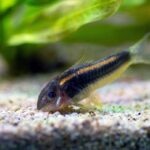
How to Prevent Fish From Jumping Out of a Fish Tank



Photo by yanguolin via Getty Images
Finding your fish out of water is jarring and upsetting, and it happens more often than fishkeepers might expect. Some fish jump because jumping is natural behavior, while others jump when something in their environment is off.
Proper aquarium care and maintenance can prevent fish from jumping in the first place, and a secure, well-fitting lid can help keep fish inside the aquarium.
Key Takeaways
- Fish may jump in response to poor water quality, overcrowding, aggression, fear, or natural behavior.
- Fish might jump for survival, because of their labyrinth organs, or to catch food.
- A tight-fitting lid can help prevent fish from escaping.
- If a fish survives jumping out of the tank, carefully return it to the aquarium, monitoring it for persistent signs of stress or injury.
Why Do Fish Jump Out of Their Tanks?
| Possible Causes | Signs to Watch For | What to Check |
|---|---|---|
| Poor water quality | Sudden behavior changes, such as “glass surfing,” lethargic bottom-sitting, or erratic swimming | Ammonia, pH, nitrite, nitrate, carbonate and general hardness with a test kit |
| Low oxygen levels | Gasping for air at the water surface, rapid gill movement | Water temperature, air pump and air stone, air pump, or air stone function, air tubing connections, and filter outflow |
| Aggression | Chasing, hiding, or missing, torn, or shredded fins | Adequate tank space and hiding places; monitor group dynamics |
| Startle response | Jumping or darting after movement, lighting changes, or loud noises | Sudden lighting changes (turning lights on/off in a dark room), loud noises, flashing lights, foot traffic |
| Natural behavior | Surface feeding or a species known to jump (like hatchetfish and bettas) | Snug lid fit, especially around equipment |
| Overcrowding | Signs of stress, such as changes in color, erratic swimming, hiding, rapid breathing, or aggression | Tank size versus tank population |
| Stray electrical voltage | Behavioral changes, issues swimming, sores | Electrical equipment with a voltmeter or multimeter |
Recommended Products
How To Stop Fish From Jumping Out of Their Tank
Fish may jump out of their tank when they feel stressed, startled, or confined. A few simple changes can help prevent this behavior and keep them safely inside the aquarium. These adjustments can also make the tank more comfortable and secure.
Follow these tips to reduce jumping and protect your fish.
- Use a secure, well-fitted lid that fits snugly around all equipment
- Test the water quality weekly
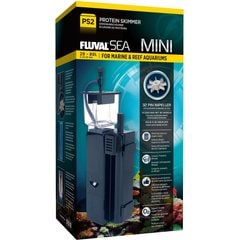
- Oxygenate the water with air stones, hang-on-back filters, and protein skimmers
- Reduce stress by choosing an appropriately sized tank and stocking compatible fish species
- Separate aggressive tank mates using a tank divider or temporary isolation container, or rehome persistent bullies to a new tank
- Provide more hiding spots using live plants, driftwood, and smooth aquarium decor
- Maintain a consistent lighting schedule and avoid features that abruptly change the lighting
- Minimize environmental noise by fixing noisy pumps and avoiding loud music, slamming doors, and features that mimic thunderstorms
Recommended Products


Which Aquarium Fish Are Most Likely to Jump?
Some freshwater and saltwater aquarium fish are more likely to jump than others, especially active surface-dwelling fish, strong swimmers, and those with specialized adaptations.
For example, bettas and gouramis have a labyrinth organ. This specialized structure lets them breathe air at the water’s surface, while hatchetfish have wing-like pectoral fins that help them leap and glide at the water’s surface.
Because these fish regularly visit the surface, they may be more likely to leap from an uncovered tank.
- Betta fish: In addition to breathing air, betta fish may move between shallow bodies of water when conditions deteriorate. This skill is key to their survival in their native habitat of slow-moving streams and water bodies, like rice paddies.
- Killifish: In the wild, killifish use their leaping abilities to catch insects and jump from pool to pool.
- Hatchetfish: These fish use specialized fins to jump out of the water to catch food and evade predators.
- Gouramis: Common gourami types, like the honey gourami, frequent the surface to breathe air, making them prone to jumping out of the tank.
- Arowanas: Nicknamed “water monkeys,” some arowanas can leap several feet above the water’s surface to catch food.
- Celestial pearl danios: These fish may jump when startled, so they should be kept in a securely covered aquarium..
- Gobies: Natural bottom and rock-dwellers, goby fish are easily spooked, causing them to bolt upward (and sometimes out) of the tank.
- Wrasses: Wrasses can be easily frightened. Some species swim vertically, which makes them more likely to jump.
- Tilefish: These fish are known for their vibrant, color-changing bodies and quick jumping.
Any fish—regardless of species—may leap from an aquarium if it gets frightened, is chased by a tank mate, or experiences poor living conditions.
What To Do If Your Fish Jumps Out of the Tank
If your fish jumps out of the tank, act quickly but stay calm. Find and return the fish as soon as possible to improve its chances of survival.
Once back in their aquarium, monitor your fish’s condition and take steps to prevent another escape.
1. Find the Fish Quickly
Locate your fish right away by checking the area around the tank, starting near any gaps in the lid or other possible escape routes:
- Behind the tank
- Sides of the tank
- Underneath the tank
- Around cords and equipment
2. Prepare Your Hands
If you need to pick up the fish, wash your hands thoroughly and rinse away all soap, lotion, perfume, and other chemicals.
Remove jewelry, keep your nails short and smooth, and avoid touching the fish with rough hands. Wet your hands with aquarium water before handling the fish.
3. Handle the Fish With Care
Handle the fish as little as possible to avoid causing additional stress or injury.
If you do need to handle your fish, support its body from underneath. Never handle a fish by the fins or tail.
4. Safely Return the Fish
Gently return the fish to the aquarium using wet hands or a soft fish net. Never drop it into the tank.
Recommended Product

5. Monitor Their Behavior
Observe the fish’s breathing, swimming, appearance, and activity over the next few days.
Hiding for a while is common after such a stressful experience, but ongoing abnormal behavior may signal an injury or other health problem.
6. Consider a Slime-Coat Conditioner
Consider adding a water conditioner or stress-relief additive to support and rebuild the fish’s slime coat, which dry flooring or handling can damage.
Follow the product’s dosing instructions carefully, and never add more than recommended.
Recommended Products


7. Secure the Lid to Prevent Another Escape
If your aquarium does not have a lid, add one as soon as possible. A clean plastic tote lid can work as a temporary cover until you get a properly fitted aquarium lid.
If the tank already has a lid, inspect its perimeter and equipment openings to find where the fish escaped.
Cover any gaps while still allowing proper ventilation and access to essential equipment.
8. Test the Water
Test the water to rule out poor water quality as a cause of the jumping. Check the ammonia, nitrite, nitrate, pH, and temperature.
Gradually correct any problems with appropriate water changes or other adjustments.
9. Contact An Aquatic Vet or Expert
Contact an aquatic veterinarian if your fish shows concerning symptoms, such as abnormal breathing, trouble swimming, visible injuries, or lethargy.
How To Fish-Proof an Aquarium Lid
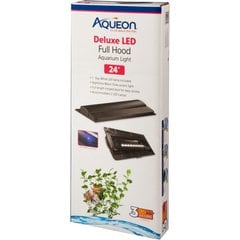
A secure, well-fitting lid helps prevent fish from jumping out. Fish are intelligent, so always make your aquarium lid fish-proof.
- Measure the top of your tank. For lids that sit on the tank’s inner lip, measure the tank rim’s internal diameter. Always include the locations of equipment such as hang-on-back filters in your measurements.
- Secure a tight fit around equipment. Make sure the lid fits as snugly as possible to the equipment to ensure fish can’t jump out. You may need to trim lid cutouts or pack small gaps with aquarium filter foam or mesh.
- Secure lightweight covers. For tanks with large fish and lightweight lids that are easy to move, weigh them down or secure them with a clip.
- Double-check your lid after maintenance. Each time you remove the lid to clean the tank or feed your fish, secure it again.
Common Types of Aquarium Lids
Not all aquarium lids fit fish prone to jumping. The best aquarium lids to prevent fish from jumping out of their tank include:
- Mesh lids: Mesh lets in more light than other options, making it ideal for planted and marine tanks with corals.
- Glass lids: Often precut for common tank sizes, glass lids are a favorite in the industry. However, they are the hardest to customize, are prone to algae buildup and water condensation, and can limit gas exchange.
- Acrylic lids: Acrylic lids are easy to customize and lightweight. However, heat might warp them, they scratch easily, and like glass lids, algae growth and water condensation are common.
Recommended Products


Fish Tank Jumping FAQs
Do fish jump out of tanks because the water is dirty?
Yes, fish can jump from tanks because the water is dirty, though it’s not the only reason they may jump. Natural behaviors, aggression, and fear can also cause a fish to jump out of the tank. For example, many types of goldfish are known for jumping when water quality is poor, while jumping is a natural behavior for betta fish.
Can fish jump out of a tank with a lid?
Yes, if a tank has a lid but there’s even a tiny gap, a fish could still jump out. Larger fish might also be strong enough to move the lid.
How high can aquarium fish jump?
Aquarium fish can jump surprisingly high, break the surface, and even clear the tank rim.
Should a fish tank always have a lid?
Yes, a fish tank should always have a lid, even if the animals in the tank are not known jumpers.
Can a fish survive after jumping out of its tank?
Yes, a fish can survive after jumping out of its tank. Fish that jump from their tank have the best chance of survival if you find them quickly, handle them carefully, and return them to their aquarium right away.
What should I do if my fish jumps out of its tank?
Quickly locate your fish and carefully return it to the tank. Watch for signs of stress, and consider adding a slime coat booster to your aquarium.
Attributions