How Often Should You Replace Aquarium Filter Media?


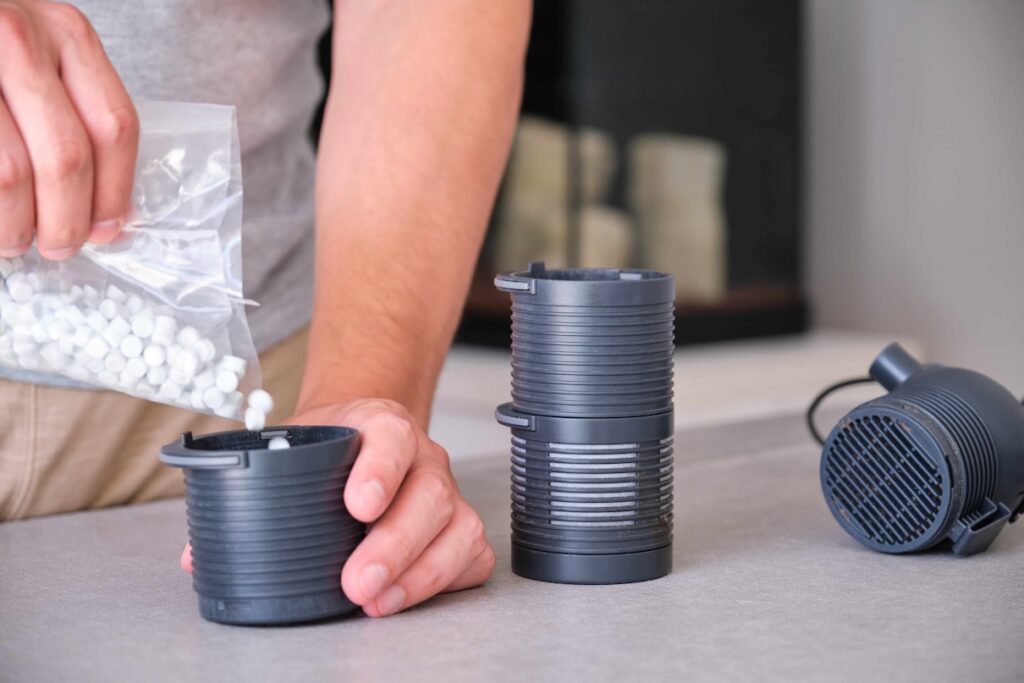
Photo by Ladanifer via Getty Images
Aquarium filter media include the mechanical, biological, and chemical materials that help remove debris, process fish waste, and improve water clarity. Proper filter-media maintenance supports stable water quality between partial water changes.
The right maintenance schedule depends on the type of media, how heavily the aquarium is stocked, and the manufacturer’s instructions.
Key Takeaways
- Mechanical media often need cleaning, replacement, or both, depending on the media type and condition.
- Biological media can usually be rinsed and reused for years unless they break down or the manufacturer recommends replacement.
- Activated carbon and other chemical media should be replaced, regenerated, or removed when exhausted.
- Reduced water flow, excess debris, cloudy water, and abnormal water-parameter readings can indicate that the filter or media needs attention.
Why Aquarium Filter Media Matters
Aquarium filters are one of the most important supplies for a healthy freshwater or saltwater tank. No matter the type, aquariums may use three types of filtration media to support water quality:
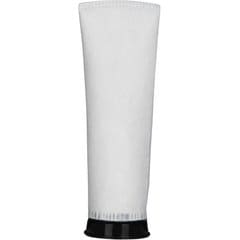
- Mechanical: Filter socks, filter floss, or filter pads remove larger particles and organic debris.
- Biological: Ceramic media, bioballs, and other porous surfaces provide places for beneficial bacteria to colonize. These bacteria help convert toxic ammonia into nitrite and nitrite into nitrate.
- Chemical: Carbon, phosphate removers, Purigen, or Chemi-Pure use chemicals to trap and absorb toxins, impurities, and organic waste in the water and should be removed after use.
Aquarium Filter Media Replacement Schedule
No single replacement schedule fits every aquarium. Clean reusable mechanical media when they get dirty or restrict water flow; replace disposable media when they clog or are exhausted; and replace biological media only when they break down or as the manufacturer’s instructions require.
In most filters, mechanical media come first, followed by biological media and then chemical media, although the recommended arrangement may vary by filter design
| Filter Media | Maintenance | Replace or Recharge When |
|---|---|---|
| Filter sponge | Gently rinse in water removed from the aquarium when dirty or clogged | It becomes damaged, compacted, or unable to maintain flow |
| Filter pads | Rinse reusable pads as needed; replace disposable pads when dirty | They become clogged, damaged, or ineffective |
| Filter floss | Replace when clogged or heavily soiled; reusable floss can be rinsed if designed for reuse | It no longer cleans effectively or restricts flow |
| Ceramic rings | Gently rinse in removed aquarium water as needed | They crumble, break down, or require replacement according to the manufacturer |
| Bioballs | Rinse lightly in removed aquarium water if clogged | They become damaged or the manufacturer recommends replacement |
| Porous stones | Rinse gently in removed aquarium water as needed | They break down, crumble, or become unusable |
| Activated carbon | Rinse before use if instructed | It becomes exhausted; often about monthly, depending on the product and aquarium |
| Purigen or specialty resins | Rinse or regenerate only according to the product instructions | The media is exhausted, damaged, or cannot be regenerated |
| Phosphate removers | Rinse before use if instructed and monitor phosphate levels | The media is exhausted or phosphate begins rising again |
These are general guidelines, not universal schedules. Always follow the instructions for the specific filter media you use.
Signs Your Filter Media Needs Replacing
- Foul odor: Waste or organic buildup can cause unpleasant odors.
- Significant waste buildup: If the mechanical filter media is clogged or heavily compacted, it’s a clear sign it needs changing.
- High nitrate and other water parameters: High nitrate, phosphate, ammonia, or nitrite can indicate a water-quality problem that requires a water change and checking your filter media to determine whether it needs cleaning or replacing.
- Reduced water flow: When filters clog with waste, water flow slows, and the tank’s pumps must work harder, causing wear.
- Organics in the water: Cloudy or discolored water, algae buildup, and excess waste particles can signal that your filter isn’t working efficiently and that the media likely needs adjusting or replacing.
Can You Replace All Aquarium Filter Media at Once?
Replacing all filter media at once can remove a significant portion of the beneficial bacteria that support biological filtration. To reduce the risk of disrupting the nitrogen cycle, change only one type of media at a time whenever possible.
Never change everything all at once; instead, replace one type of filter media at a time.
If you accidentally change out all the media at once, don’t panic. Luckily, most of the beneficial bacteria live on substrates and hard surfaces, so if your substrate hasn’t been deep cleaned yet, you should be okay.
Tips to Extend the Life of Aquarium Filter Media
Proper care can help aquarium filter media last longer while preserving the beneficial bacteria that support water quality.
Follow these simple tips to reduce unnecessary replacements and keep your filter working efficiently.
- Don’t overstock your aquarium
- Feed your fish the right amount
- Remove food waste after feeding
- Rinse filter socks, filter sponges, and other reusable media
- Recharge reusable media according to the manufacturer’s instructions
Recommended Products
Common Aquarium Filter Media Mistakes
Small filter media mistakes can disrupt beneficial bacteria and reduce your filter’s effectiveness.
Avoid these common missteps to help maintain stable water quality and a healthy aquarium.
- Rinsing filter media in tap water: Rinsing clogged filters, such as sponge filters, under tap water washes away beneficial bacteria. Avoid this, especially in quarantine or hospital tanks where biological filtration is very limited.
- Inconsistent cleaning: When filter media clogs, it becomes less effective. Water flow can be reduced, which can affect water quality.
- Leaving chemical media in too long: Many chemical filter media have a limited lifespan once placed in the tank. Some, like activated carbon, can become saturated and may release some trapped impurities back into the water if left in the tank too long.
- Not using enough media: Aquarium filter media can be expensive, and it can be tempting to use less to save money. But without the right amount for your tank size, the media won’t be as effective.
- Not addressing the problem: Filter media help maintain your aquarium, but they don’t eliminate the need to address the source of a water-quality problem.
Aquarium Filter Media FAQs
Should I rinse filter media with tap water?
Do not rinse established biological media under untreated tap water because chlorine or chloramine can harm beneficial bacteria. Instead, rinse reusable biological media in water removed from the aquarium. Follow the manufacturer’s instructions for new mechanical or chemical cartridges.
How often should you replace activated carbon?
Replace activated carbon when it becomes exhausted, often about once a month, or according to the manufacturer’s instructions. Activated carbon is not required in every aquarium and may remove some medications from the water.
Can old filter media be reused?
Certain types of filter media, such as filter socks and filter sponges, can be cleaned and reused. Replace other media, such as activated carbon, according to the manufacturer’s instructions.
How do you change aquarium filter media without losing bacteria?
When possible, replace only one type of media at a time. Rinse reusable biological media in water removed from the aquarium, and test ammonia and nitrite after making significant changes.
What is the correct order for aquarium filter media?
Mechanical media generally come first to trap debris, followed by biological media and then chemical media. However, filter designs vary, so follow the manufacturer’s instructions for your specific filter.
How long does aquarium filter media last?
The lifespan depends on the media type and aquarium conditions. Filter floss and disposable pads may need frequent replacement, activated carbon often lasts about a month, and reusable sponges and biological media can last for years with proper care.
Do all aquariums need chemical filter media?
No. Mechanical and biological filtration are essential, but chemical media are optional and used for specific purposes, such as removing medication, odors, discoloration, or excess phosphate. Use chemical media according to the manufacturer’s instructions, not as a substitute for water changes.
Should I change filter media before or after a water change?
Change or clean filter media during a water change, after removing aquarium water. Rinse reusable media in the removed tank water, replace exhausted media, then refill the aquarium with conditioned, temperature-matched water. Stagger major media replacements to help preserve beneficial bacteria.
Recommended Products


Attributions