How Long Do Guppies Live? A Guppy Lifespan Guide


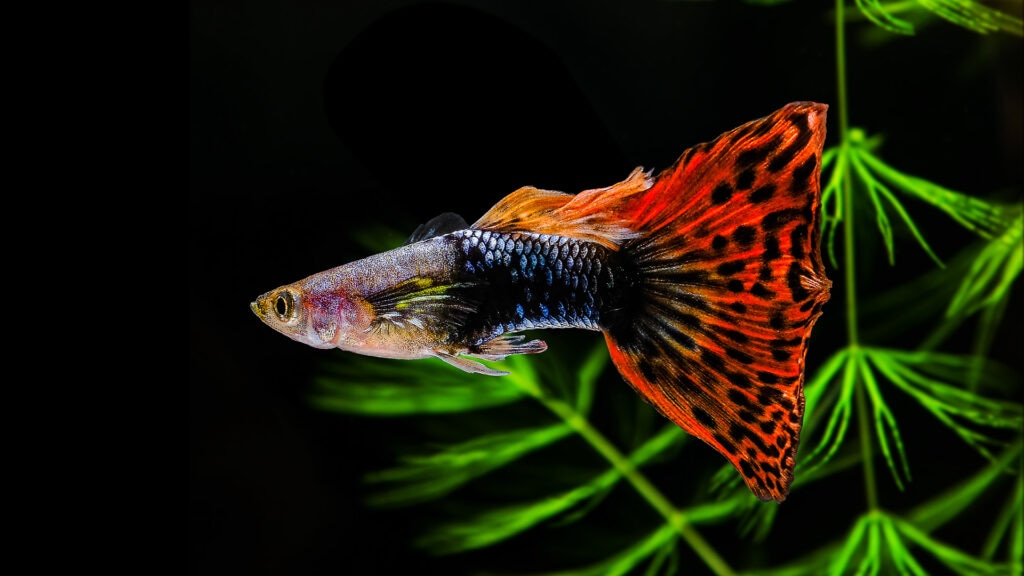
Photo by subinpumsom/iStock/Getty Images Plus via Getty Images
Small, colorful, and full of personality, guppies can bring plenty of life to your aquarium. With proper care, these popular freshwater fish can live up to three years.
While genetics and health history play a role, clean water, balanced nutrition, compatible tank mates, and enough space can help your guppies live healthy lives.
Key Takeaways
- Guppies can live up to three years with good care, though individual lifespans vary.
- Guppies need a fully cycled, appropriately heated aquarium with stable water quality.
- Mixed-sex groups can reproduce quickly, so plan for additional fish before your aquarium becomes overcrowded.
- A balanced diet, compatible tank mates, and regular health monitoring help support a guppy’s lifespan.
How Long Do Guppies Live?
Guppies can live up to three years with proper care, although genetics, early care, and health conditions can affect their lifespan.
Because you may not know your guppy’s age when bringing them home, keep a record of their arrival date, source, and any health concerns.
While guppies are often considered beginner-friendly fish, they still need a fully cycled, properly heated aquarium—not an unheated bowl or newly filled tank.
What Impacts a Guppy’s Lifespan?
Several factors influence how long guppies live, including:
- Water quality and temperature: Guppies need stable freshwater conditions and a fully cycled aquarium with appropriate heating. Test water regularly and address detectable ammonia or nitrite.
- Stocking and breeding: Mixed-sex groups reproduce quickly, and even previously mated females kept alone may produce young. Overcrowding and persistent chasing or hiding can signal problems with the tank setup.
- Nutrition: Provide a balanced diet for small tropical fish, with modest portions and limited treats. Remove uneaten food to protect water quality.
- Tank mates and health: Choose peaceful, compatible fish and quarantine newcomers. Watch for signs of illness, including guppy disease caused by Tetrahymena, and contact an aquatic veterinarian if you notice health changes.
How To Help Your Guppies Live Longer
A few consistent habits can help your guppies stay healthy and active.
Prepare the Aquarium Before Adding Fish
Fully cycle the tank and provide appropriate filtration, heating, and a secure lid. Plan for the size of your adult group and any future additions.
Feed a Balanced Diet
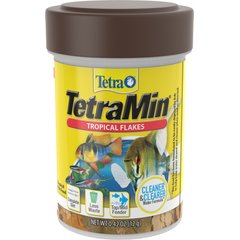
Choose complete fish food appropriate for small tropical fish, such as TetraMin Tropical Flakes Fish Food. Break up large flakes and offer portions your guppies can easily eat.
Recommended Product
Condition Replacement Water
Use a water conditioner, such as API Tap Water Conditioner, according to the label. Match replacement water to an appropriate temperature and avoid sudden chemistry changes.
Recommended Product

Keep Up With Tank Maintenance
Test water regularly, remove debris, and perform partial water changes based on your aquarium’s needs. Use dedicated aquarium equipment, avoid soap or household cleaner residue, and keep a log of maintenance and test results.
Plan for a Growing Group
Monitor the number of adult and young guppies. Arrange additional housing or responsible rehoming before the tank becomes overcrowded, and never release aquarium fish outdoors.
Watch for Signs of Illness
Check your guppies daily for changes in appetite, swimming, breathing, fins, or body condition. Contact your veterinarian if you notice persistent hiding, clamped fins, weight loss, skin changes, or difficulty swimming.
If several fish become sick at once, check water quality promptly and avoid combining medications without veterinary guidance.
Attributions
This article was created with assistance from AI tools. The content has been reviewed for accuracy and edited by a human.