How Do I Know If My Fish Is Hungry? Signs and Feeding Tips


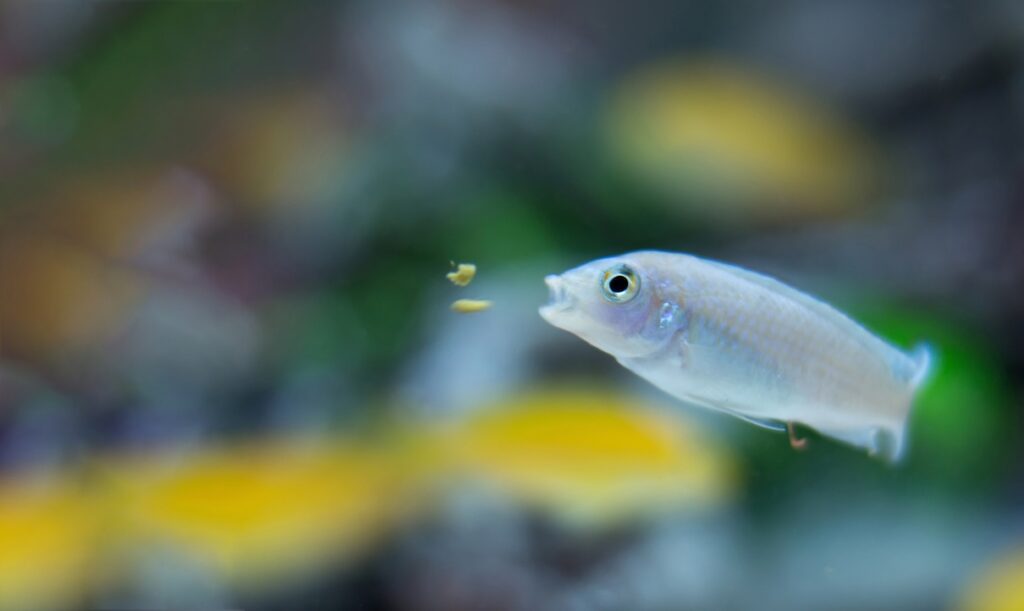
Photo by by sonmez via Getty Images
Dogs paw at their food bowl, and cats meow until you pour their kibble. But knowing whether a fish is hungry can be a little trickier. Surprisingly, fish can hint that they’re ready for food. Some fish may even “beg” for food.
The catch? Those hunger signs don’t always mean they actually need to be fed. A consistent feeding schedule is the best way to keep your fish healthy. Here’s how to read your fish’s hunger cues, how often to feed them, and how much to offer.
Key Takeaways
- Increased foraging, excitement around feeding time, aggression, and food-seeking behaviors may signal your fish is hungry.
- Just because a fish looks hungry doesn’t mean they are. Many are naturally inclined to forage and search for food, even when they’ve already eaten.
- Overfeeding fish can affect their health and the quality of the tank.
- The best way to know how much to feed your fish is to understand the species’ needs and observe their behavior over time.
9 Signs Your Fish Is Hungry
Fish can’t paw at a bowl or meow, but they can still let you know when they’re hungry. Look for these signs:
- Swimming to the front of the tank
- Swimming toward the top of the tank
- More active swimming or “racing” around the tank
- Excited behavior when you approach the tank
- Moving to areas where they think food will appear
- Swimming to food quickly once it’s dropped
- Searching for food along the bottom of the tank
- Investigating or picking at plants, decorations, and surfaces
- Aggressive behavior toward other fish
Hunger cues vary by species. “Bold fish species like goldfish and bettas will swim right up to the front of the tank to show you they are hungry,” explains Nora Hickey, DVM, a fish veterinarian and co-founder of Fishkeep & Chill. Meanwhile, “schooling species like barbs and rainbowfish will start racing around the tank when they think food might be on the way.”
She adds that some cryptic species, such as nocturnal catfish and algae eaters, may even lurk covertly but stay close enough to dart out and snatch food that comes near them.
Is My Fish Hungry or Just Begging for Food?
Fish can show hunger cues even when they are well-fed for two main reasons:
- Many fish are natural foragers. Goldfish, Corydoras catfish, and bristlenose plecos are known to graze on algae or forage through substrate for food, even after a meal.
- Fish can develop learned feeding behavior. A fish learns that you, the lid opening, or a certain time of day means food is coming, so it rushes over for food, explains Jena Questen, DVM, CertAqV, an aquatic veterinarian at Aspen Park Vet Hospital in Conifer, Colorado.
Do Fish Beg For Food?
Yes, once fish learn feeding behaviors, Dr. Questen says they may rush over and appear to “beg.” “Fish are much smarter and more trainable than many people realize,” she says.
Begging can be charming, and feeding time is a great opportunity for enrichment and interaction, she adds. But a fish “asking” for food doesn’t necessarily mean it needs more calories.
“It is much more common that people feed their fish too much than that they feed their fish too little,” Dr. Hickey says. Too much food can lead to excess weight, and leftover food can harm water quality.
Why Is My Fish Always Hungry?
Your fish may seem hungry because they’re foraging out of instinct or learned behavior, or because they’re actually hungry. Dr. Questen says you can’t rely on your fish’s behavior alone to decide when or how much food they need.
Possible reasons a fish is always hungry may also include:
- Incorrect food type or placement
- Inconsistent feeding schedule
- Competition from community tankmates
- Illness, parasites, or other medical issues
- Increased energy needs during growth or breeding
How Often Should I Feed My Fish?
How often you should feed your fish depends on the species, age, and lifestyle. Here’s a helpful guide for general feeding instructions:
| Fish Type | Feeding Instructions |
|---|---|
| Adult community fish | Feed 1–2 times daily, offering only what they can eat within a few minutes. |
| Grazing fish | Provide small amounts of food throughout the day, or access to foods they can graze on over time. |
| Predatory fish | Feed every 1–3 days, following species-specific guidance. |
| Fry/baby fish | Feed small portions 3-5 times a day to support rapid growth. |
| Bottom-feeding fish | Feed once daily with sinking foods, ideally after other fish have been fed so food reaches the bottom. |
| Shy fish | Feed 1–2 times daily in a quiet area of the tank; target-feed if necessary to ensure they get enough. |
Can You Overfeed a Hungry-Looking Fish?
Yes. When you feed your fish too much, it causes them to gain weight and puts them at risk of developing obesity-related health issues. It can also affect the tank because uneaten food degrades water quality.
One useful rule of thumb is that a fish’s stomach is about the size of its eyeball. “You can offer as much food as the fish will actively eat at one feeding, but watch carefully,” Dr. Questen advises. She says to stop feeding the moment food starts floating toward the filter and remove it right away.
Signs of Overfeeding Fish
Dr. Hickey says signs of an overfed fish include:
- A football-shaped body versus a torpedo shape (AKA, a large belly)
- Sluggish activity
- Leftover food in the aquarium
- Murky or cloudy water
- Smelly tank water
- Consistently clogged water filters
- Excess fish waste
- Increased algae growth
Conversely, signs of an underfed fish include:
- A hollowed belly
- Poor growth
- Reduced energy
- Increased aggression
- Poor appearance, including fin and color degradation
What To Do If You’ve Overfed Your Fish
If you’ve accidentally overfed your fish, remove excess food from the tank as soon as possible with a net, siphon, or gravel vacuum.
If you’ve been overfeeding regularly, reduce portion size and feeding frequency. Dr. Questen says the correct amount and frequency depend on the fish. Consider its:
- Species
- Age
- Size
- Activity level
- Water temperature
- Reproductive status
- Type of food being offered
- Diet type (herbivore, omnivore, or carnivore)
Recommended Products

When a Change in Appetite Could Mean Something Else
A change in a fish’s normal behavior could signal illness. That might look like a previously enthusiastic eater who stops eating, or a fish that seems ravenous and can’t get enough food. Dr. Questen says other signs of illness may include:
- Spitting out food
- Difficulty locating or taking food
- Isolation
- Lethargy
- Changes in swimming behavior
- Weight loss or gain
Fish are very good at hiding signs of illness, she adds. By the time you notice your fish is sick, a problem may have been developing for some time. Knowing what is normal for your individual fish gives you a much better chance of recognizing subtle changes early.
How To Make Sure Your Fish Gets Enough to Eat
A consistent feeding schedule based on your fish’s species, age, and needs is the best way to keep them well-fed. Follow these tips to develop the best feeding schedule for your fish:
- Learn your species’ natural diets and feeding habits
- Choose an appropriate food source and size
- Don’t feed them expired food
- Observe your fish individually at mealtime
- Make sure shy and bottom-feeding fish receive food, too (feeding them after feeding the others helps with this)
- Keep an eye on their body condition
- Avoid adding more food if they “beg”
- Track the tank’s water quality along with feeding habits
FAQs About Hungry Fish
How do I know if my fish is hungry?
Fish may become more active around feeding time, search the tank for food, or eagerly approach the surface when you’re nearby. These can signal hunger, but they can also be natural foraging or learned “begging” behavior.
A consistent feeding schedule is the best way to make sure your fish gets the right amount of food.
Do fish know when to stop eating?
Yes, as feeding progresses, a fish’s activity naturally decreases, and it will stop eating. A good way to feed your fish is to add several small pinches of food at a time, spread them throughout the aquarium, and watch your fish eat.
Add more if their feeding response is strong. Stop feeding when their response slows.
How long can fish go without food?
Most healthy pet fish can survive several days to a week or more without food, though the exact timeframe varies considerably by species, age, size, and health. Still, it’s best not to skip feedings.
If you’ll be away, use an automatic feeder or ask someone to feed your fish while you’re gone.
Should you feed fish every day?
It depends on the fish species. Most adult fish should be fed once or twice a day, but feeding needs vary by species, age, and activity level.
Some fish do well with less frequent meals, while growing fry and certain species, like tetras and rainbowfish, may need to eat several times per day.
How can I tell if my fish is underfed?
Fish that don’t get enough food may have lower energy levels, forage constantly, become more aggressive toward tankmates, or show lots of excitement around feeding time.
Over time, an underfed fish can develop a hollowed-out or sunken-looking body. They may also experience poor growth and body changes, such as loss of color or fin degradation.
Attributions
Expert input provided by Jena Questen, DVM, CertAqV, an aquatic veterinarian at Aspen Park Vet Hospital in Conifer, Colo., and Nora Hickey, DVM, a practicing fish veterinarian and co-founder of Fishkeep & Chill in Washington.