What Are the Best Fish Tank Decorations?


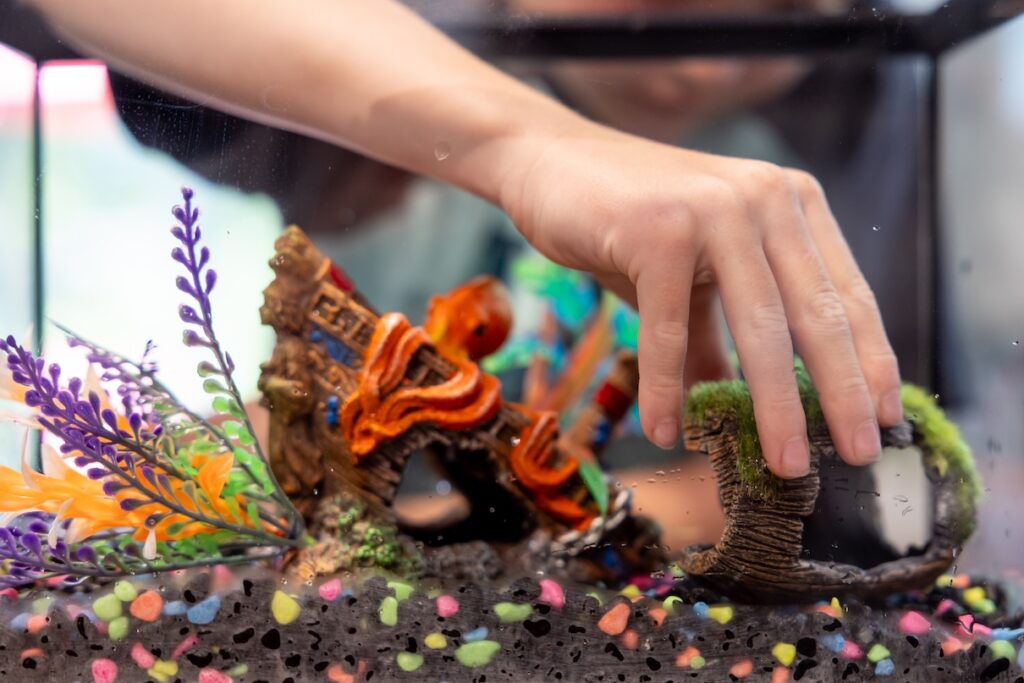
Photo by Onfokus via Getty Images
Fish tank decorations can completely transform the look of an aquarium, but the effects aren’t limited to aesthetics. Plants, caves, rocks, and other features can give fish places to hide, explore, and get some space from their tankmates.
Here’s how to choose the best fish tank decorations.
Key Takeaways
- Fish tank decorations add personality while giving fish places to hide, explore, rest, and establish territories.
- Choose aquarium-safe decor that suits your fish species and behavior, tank type, and water conditions.
- Balance plants, rocks, caves, and ornaments with plenty of open swimming space, and secure everything to prevent shifting or tipping.
- Clean decorations as needed using aquarium-safe methods, and avoid soap or household cleaners that may leave harmful residue.
The Best Aquarium Decorations: At a Glance
| Fish Tank Decoration | Best For |
|---|---|
| Live aquarium plants | Creating lush, natural-looking freshwater or planted tanks |
| Artificial plants | Adding colorful, low-maintenance greenery to freshwater or saltwater tanks |
| Aquarium rocks and stone | Creating structure, caves, boundaries, and focal points in freshwater or saltwater tanks |
| Aquarium driftwood | Creating natural-looking aquascapes in freshwater tanks |
| Caves and hideouts | Giving freshwater or saltwater fish sheltered spaces |
| Aquarium ornaments | Creating colorful, playful, or themed freshwater or saltwater tanks |
| Aquarium backgrounds | Adding visual depth without taking up tank space |
| Substrate, gravel, and sand | Creating a finished look and supporting plants or bottom-dwelling fish |
Best Aquarium-Safe Decorations
The best aquarium decorations add style while making the tank more engaging and functional for its underwater residents. Consider these eight types of decor.
1. Live Aquarium Plants
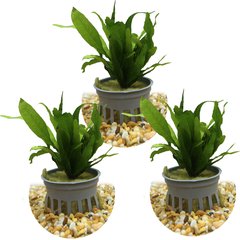
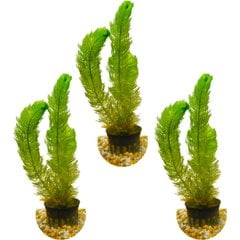
Live plants give aquariums a lush, natural look while offering fish leafy spots to hide, rest, and explore. They also absorb nutrients from waste, release oxygen, and may help control algae (though regular tank maintenance is still a must!).
Most are intended for freshwater tanks, though saltwater options are available. Depending on the species, live plants may need special lighting, fertilizer, plant-friendly substrate, supplemental carbon dioxide, and trimming.
Recommended Products
2. Artificial Plants
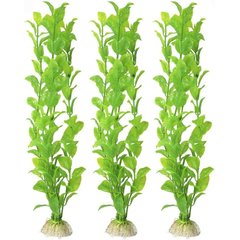
Artificial plants, typically made from plastic, silicone, or silk-like fabric, add color and cover without requiring special lighting, fertilizer, or trimming.
They work in freshwater and saltwater tanks and are a great choice if you want the look of a planted aquarium without the upkeep.
Recommended Products

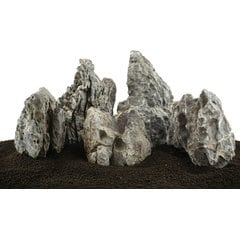
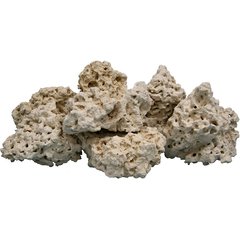
3. Aquarium Rocks and Stone
Made from natural stone or materials like resin and ceramic, aquarium rocks work well in both freshwater and saltwater tanks.
They add height, texture, and dimension, and can create caves and natural boundaries for fish that prefer a little personal space.
Recommended Products
4. Aquarium Driftwood
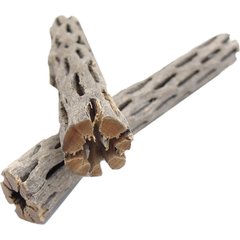
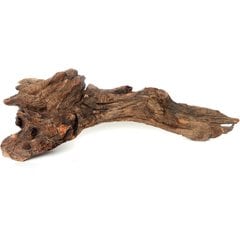
Aquarium driftwood is natural wood that has been cleaned and prepared for underwater use. It gives freshwater tanks a woodsy look while creating shady hiding spots and surfaces where fish can graze on algae and biofilm.
Some driftwood releases tannins, which can tint the water tea-brown and affect its chemistry. Research the type before adding it to your fish tank to avoid surprises.
Recommended Products
5. Caves and Hideouts
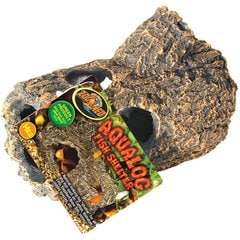
Caves and hideouts are partially enclosed decorations, such as rock caves, tunnels, hollow logs, and ceramic shelters.
They give fish a concealed place to rest, retreat from tankmates, or lay eggs, helping them feel more secure.
Recommended Products

6. Aquarium Ornaments
Typically made from resin, ceramic, plastic, glass, or silicone, aquarium ornaments come in designs ranging from sunken ships to tiny castles.
They add personality, can double as caves or tunnels, and work in freshwater or saltwater setups.
Recommended Product

7. Aquarium Backgrounds
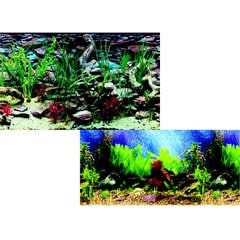
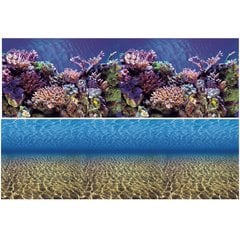
Aquarium backgrounds are vinyl or plastic sheets that stick or cling to the outside of the tank. They hide cords and equipment while adding color and depth without taking up swimming space. Designs range from solid colors to complete underwater scenes.
Exterior backgrounds are the easiest to install and clean, but three-dimensional resin or foam backgrounds that install inside the tank are also available.
Recommended Products
8. Substrate, Gravel, and Sand
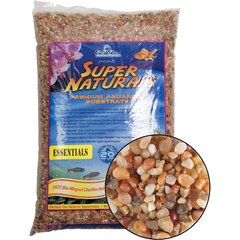
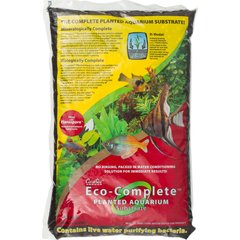
Substrate is the material that lines the bottom of an aquarium, such as gravel, sand, pebbles, or planted-tank soil. It gives the tank a finished look, anchors plants and decorations, and provides bottom-dwelling fish with a place to burrow or forage.
Recommended Products
Best Decorations for Different Tank Aesthetics
Your fish’s needs always come first, but once those boxes are checked, you can have some fun with the design.
Create your ideal look using these fish tank decoration ideas as inspiration.
Natural Tanks
Want your aquarium to look like a little slice of nature? Bring together live plants, driftwood, rocks, and a natural-colored substrate.
Include varying heights and textures for a more organic look. Add caves and plant clusters to give fish plenty of cover.
Colorful Tanks
Bright artificial plants, colorful gravel, and playful ornaments can turn an aquarium into a cheerful underwater world.
Choose two or three coordinating colors to keep the setup looking intentional, or embrace the rainbow and let your inner maximalist swim free.
Unique Tanks
If cookie-cutter aquariums aren’t your thing, mix unexpected ornaments with interesting rocks, unusual plants, or a custom background.
Try choosing one standout piece as the main attraction, then use smaller decorations around it so the tank still has plenty of open space.
Themed Tanks
From enchanted castles and sunken ships to ancient ruins and undersea cities, themed ornaments let you build a tiny world inside your aquarium.
Stick with one theme and a few coordinating colors or materials to keep the setup cohesive.
Minimalist Tanks
For a simple design, try a neutral substrate, a few thoughtfully placed rocks or pieces of driftwood, and one or two plants, leaving plenty of open swimming space.
How To Choose Safe Fish Tank Decorations
Since not just any item makes a suitable and safe decoration, keep these factors in mind when choosing your fish tank decor:
- Choose aquarium-safe materials: Use products made specifically for aquariums. Household items or objects found outdoors may contain paint, glue, metal, or other materials that can break down and release harmful substances into the water.
- Check for sharp or rough surfaces: Run your fingers over each decoration to spot edges that could snag fins or scrape your fish. Smooth surfaces are especially important for delicate-finned species like betta fish.
- Size up holes and openings: Openings should be large enough for your fish to swim through without getting stuck. If you have juvenile fish in your tank, remember to account for their adult size.
- Make sure decorations are stable: Rocks, caves, and ornaments should sit securely without shifting, tipping, or collapsing.
- Consider cleaning requirements: Intricate ornaments and porous materials can collect algae and debris, making them tougher to clean. Choose decorations you can easily scrub as needed.
- Match the decor to the water type: Confirm that each item is suitable for freshwater or saltwater, depending on your setup.
- Consider your fish’s needs: Pick decorations that support the natural behaviors of your fish species, whether that’s hiding, burrowing, grazing, claiming territory, or zipping around in open water.
How To Decorate a Fish Tank in 5 Steps
Ready to try your hand at underwater interior design? Follow these steps to create a tank that looks great and works well for your fish.
1. Add the Background and Substrate
Install the background first, then add sand, gravel, or other substrate. These elements form the aquascape’s foundation.
2. Choose a Focal Point
Pick one eye-catching element, such as a piece of driftwood, rock formation, or ornament, to anchor the design. Placing it slightly off-center often creates a more natural, visually interesting look.
3. Add Plants, Caves, and Other Decor
Arrange plants and smaller decorations around the focal point, varying their heights and textures to create depth. Include at least one appropriately sized hiding place so fish have somewhere to retreat when they want a little privacy.
4. Leave Plenty of Swimming Space
Decor should make the tank engaging—not an underwater obstacle course. Leave plenty of open space where your fish can swim freely.
5. Check That Everything Is Safe and Secure
Make sure rocks, caves, driftwood, and ornaments can’t easily tip, shift, or trap a curious fish. Do one final safety check before adding water and introducing the tank’s residents.
Natural vs. Artificial Fish Tank Decorations
Can’t decide whether to go au naturel or embrace the colorful world of artificial decor? Here’s how the two options compare.
| Factor | Natural Decorations | Artificial Decorations |
|---|---|---|
| Appearance | Creates a realistic, organic look | Available in more colors, styles, and themes |
| Maintenance | Live plants may require special lighting, nutrients, and trimming | Generally low-maintenance with no special growing requirements |
| Enrichment | Can support natural behaviors like grazing, foraging, and hiding | Provides hiding places, visual barriers, and areas to explore |
| Customization | Offers one-of-a-kind shapes and textures, but fewer color choices | Easy to coordinate with nearly any color scheme or theme |
| Cleaning | Live plants may help limit algae growth; natural rocks and wood can be heavy or porous, making them harder to clean | Often removable and easy to scrub, though detailed pieces can trap debris |
| Best for | People who want an organic look and the benefits of live plants | People who want colorful or themed decor or less upkeep |
How To Clean Fish Tank Decorations
Fish tank decorations collect algae, debris, and mineral buildup over time. When your decor could use a refresh, follow these tips:
- Skip the soap: Soap, household cleaners, and disinfectants can leave behind residue that’s harmful to fish.
- Remove decorations carefully: Take out only a few pieces at a time rather than dismantling the entire aquascape and stressing your fish.
- Rinse and scrub: Use warm water and a dedicated soft-bristle toothbrush or algae scrubber to remove buildup. Never use a regular household sponge to clean a fish tank because they often contain chemicals, soaps, and antibacterial treatments that can harm or kill your fish.
- Tackle mineral deposits as needed: Soak decorations in a diluted white-vinegar solution to loosen stubborn hard-water stains. Rinse everything thoroughly before returning it to the tank.
- Clean artificial plants gently: Swish them in water and use a soft brush to clean between the leaves without damaging or fraying them.
- Leave live plants rooted: Remove dead leaves, trim overgrowth, and gently wipe algae from healthy leaves.
- Inspect while you clean: Check for sharp edges, cracks, peeling paint, or loose pieces that could injure fish or contaminate the water.
- Put everything back securely: Make sure rocks, caves, and ornaments are stable.
Aquarium Decorations FAQs
What decorations are safe to put in a fish tank?
Choose decorations labeled aquarium-safe, with smooth surfaces, stable bases, and openings large enough that your fish can’t get stuck. Also make sure they’re suitable for either freshwater or saltwater, depending on your setup.
Do fish like decorations in their tank?
Depending on the species, many fish benefit from decorations that provide hiding places, visual barriers, grazing surfaces, and areas to explore.
Can you put regular decorations in a fish tank?
Only if they’ve been verified as aquarium-safe. Household objects may contain paint, glue, metal, or other materials that can contaminate the water.
Can fish tank decorations be harmful to fish?
Yes. Sharp edges, toxic materials, unstable pieces, or small openings can injure, trap, or expose fish to harmful substances.
Are real or artificial plants better for a fish tank?
Neither is universally better. Live plants offer a natural aesthetic and biological benefits, while artificial plants are easier to maintain and offer more design options.
How many decorations should you put in a fish tank?
There’s no magic number. Include enough decor to meet your fish’s needs while leaving plenty of open swimming space.
Attributions