Cherry Shrimp Care Guide: Tank Size, Diet, and More


davit85 via Getty Images
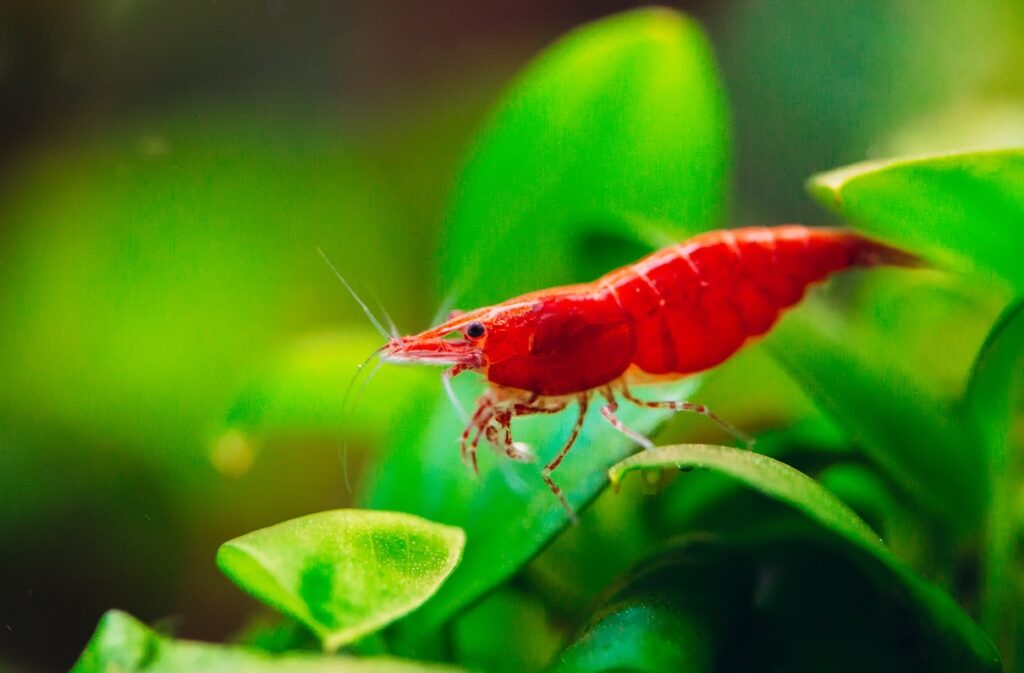
Cherry shrimp add bold color to a freshwater aquarium. They are easy to care for, ideal for beginners, peaceful, and fun to watch, especially in planted aquariums.
Key Takeaways
- Cherry shrimp are peaceful freshwater invertebrates that can live in groups or alone in a mature, stable aquarium.
- Provide plenty of plants, hiding places, and biofilm for grazing, especially for young shrimp.
- Feed small amounts of shrimp food and keep water stable and clean, free of copper-containing medications and products.
What Are Cherry Shrimp?
Cherry shrimp, often called red cherry shrimp, are beginner-friendly invertebrates that thrive in established aquariums.
Rather than being broken into types, red cherry shrimp are graded by their color intensity and opacity. The six grades include:
- Cherry grade (lowest)
- Sakura grade (redder than cherry but still translucent)
- High Sakura grade (more intense color and opaque)
- Fire red grade (completely opaque red with evenly colored legs)
- Painted fire red grade (extremely deep, intense red that looks painted)
- Bloody Mary grade (dark red, even deeper than painted fire red)
Note: Some experts consider the Bloody Mary grade a separate line of cherry shrimp, not necessarily a grade.
Cherry Shrimp Colors
Despite their name, cherry shrimp are selectively bred in several colors and patterns to stand out, including:
- Orange
- Blue dream
- Blue velvet
- Chocolate
- Rose
- Yellow
- Green jade
- Black
- Rili
How to Set Up a Cherry Shrimp Tank
In the wild, red cherry shrimp are native to parts of East Asia and live in ponds with plenty of vegetation.
When setting up a cherry shrimp tank at home, you’ll need these supplies for a comfortable freshwater aquarium.
Tank Setup
- Minimum tank size: 2–5 gallons (guidance varies)
- Additional space: Consider a 10- or 20-gallon tank if you’re breeding cherry shrimp
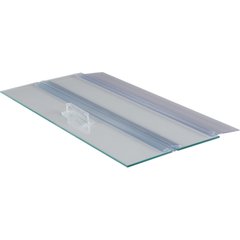
- Tank lid: A secure, well-fitting lid is always a good idea.
- Decor: Any aquarium-safe decorations will work.
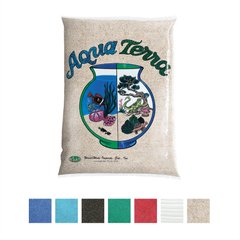
- Substrate: Cherry shrimp thrive in a variety of substrates.
- Live plants: Submerged and emergent aquatic plants are excellent in shrimp tanks and help maintain good water quality.
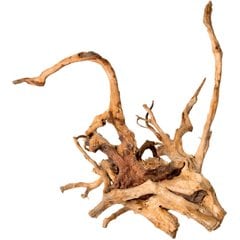
- Grazing and hiding surfaces: Cherry shrimp spend their time moving around the entire tank, among leaves and plant bases, and on substrate and other surfaces.
Recommended Products
Water Parameters
Like other invertebrates, red cherry shrimp are sensitive to swings in water parameters and elevated ammonia, nitrite, and nitrate levels.
To care for cherry shrimp, keep water parameters stable by monitoring regularly and doing regular water changes.
- Temperature: 60–82 F, but 72–76 F is ideal
- pH: 6.5-8.5
- Hardness level (KH): 6–10 dGH
- Ammonia: 0 ppm
- Nitrite: 0 ppm
- Nitrate: < 20 ppm
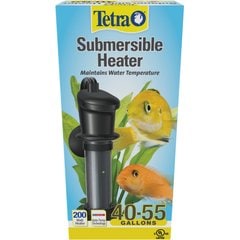
You may need a heater to keep the aquarium temperature stable. Use a thermometer to monitor fluctuations, especially during seasonal temperature changes.
For water changes, use remineralized RO/DI water matched to the aquarium’s temperature and chemistry.
Recommended Products

Filtration and Oxygenation
A cherry shrimp tank does not need high-flow filtration; a low-flow filter is ideal for these colorful invertebrates.
- Recommended filter type: Sponge filters or an adjustable hang-on-back (HOB) filter with a protective mesh or sponge covering to prevent these small shrimp from getting stuck.
- Mechanical filtration: Filter pad or filter floss
- Biological filtration: Nitrifying bacteria colonizing filter media and other tank surfaces
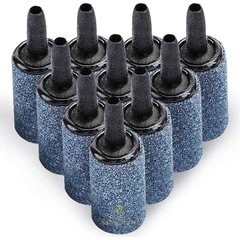
- Supplemental aeration: Add an air stone or increase surface agitation if oxygen levels are low or the tank has limited circulation; this might be unnecessary in planted tanks that are common for cherry shrimp
Recommended Products

Cycling and Stocking
To keep cherry shrimp safe, cycle all tanks. “Cycled” refers to the nitrogen cycle. This process involves one species of nitrifying bacteria converting ammonia to nitrite, and another converting nitrite to nitrate.
A non-cycled tank can contain toxic ammonia and nitrites, which can cause breathing problems and other health issues in cherry shrimp.
Before adding any new cherry shrimp, even to an established tank, quarantine them first. This gives you time to watch for signs of illness, poor appetite, or abnormal behavior.
Cherry Shrimp Tank Maintenance Schedule
Cherry shrimp tank maintenance breaks down into daily, weekly, and monthly tasks.
| Daily Tank Maintenance | Weekly Tank Maintenance | Monthly Tank Maintenance |
|---|---|---|
| Observe swimming, group dynamics, and appearance | Test water parameters | Replace filter media when necessary |
| Offer food they can eat in 1–3 hours | Perform 10–25% water changes with a gravel vacuum | Clean and inspect equipment |
| Remove uneaten food | Clean filter components as needed and clean tank glass |
What Do Cherry Shrimp Eat?
Cherry shrimp are omnivores and detritivores, meaning they eat a variety of plant-based and meaty foods, plus detritus and biofilm found in the tank.
In a well-established planted tank, they should have a regular natural food source, especially if the tank has algae. When offering your shrimp food, consider the following:
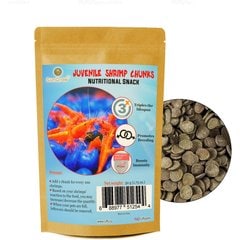
- Sinking pellets
- Wafers
- Gel foods like Repashy
- Treats like blanched vegetables (such as squash, zucchini, spinach, and carrots)
The exact feeding schedule for cherry shrimp depends on how many shrimp and fish are in the tank. If you have lots of fish, feed your shrimp two to three times per week; if you have lots of shrimp, offer food every other day.
In newly cycled but immature tanks with limited biofilm, offer very small portions and remove leftovers.
Recommended Products

Which Fish Can Live With Cherry Shrimp?
Red cherry shrimp are small, peaceful shrimp that can live with other cherry shrimp. The safest tank mates are other peaceful shrimp. If you add fish, choose small, peaceful freshwater species and provide dense plants or moss for shrimplets.
- Otocinclus
- Ember tetras
- Chili rasboras
- Pygmy corydoras
Cherry shrimp will reproduce in your tank, so keep an eye on numbers to make sure they don’t exceed the available space.
Getting Cherry Shrimp
Cherry shrimp breed prolifically, so they are widely available. Buy shrimp from a reputable breeder or seller.
Make sure you have researched your new shrimp’s care needs and compatibility with other species. Here’s what to look for in healthy red cherry shrimp:
- Clear eyes
- Color appropriate to the morph
- Active grazing or feeding
- Intact antennae
- No unexplained rust-colored patterns
- No visible parasites, lesions, or fuzzy growths
Common Cherry Shrimp Health Problems
Cherry shrimp are susceptible to the following health problems:
- Molting issues: Many factors can cause a poor molt, including poor water quality, diet, or stress.
- Bacterial infections: Velvet disease or black spot disease appear on the shell. Shell discoloration, lesions, and unusual spots can have different causes. Isolate affected shrimp and consult an aquatic veterinarian or qualified shrimp specialist before attempting treatment.
- Infections from poor water quality: Dirty or cloudy tank water can cause stress that opens the door to fungal, bacterial, and parasitic infections.
A little prevention can go a long way toward keeping your shrimp healthy and thriving.
- Only purchase from a reputable breeder
- Quarantine new shrimp when possible and monitor them before introducing them to the main tank
- Regularly test the aquarium water to ensure the parameters are where they should be
- Provide a healthy diet of high-quality foods
Cherry Shrimp FAQs
How big do cherry shrimp get?
Cherry shrimp grow to 3–4 cm long.
Can cherry shrimp live alone?
Yes. Cherry shrimp can live alone but are usually kept in groups, especially if you want to breed them.
Are cherry shrimp aggressive?
No. These small freshwater shrimp aren’t aggressive, but larger tankmates may prey on them.
What size tank do cherry shrimp need?
Since cherry shrimp are small, they don’t need a large tank. A 2- to 10-gallon tank is ideal.
How long do cherry shrimp live?
Cherry shrimp can reach maturity in about a month and live one to two years in adequate conditions.
What do cherry shrimp eat?
As omnivores, cherry shrimp eat a variety of meat- and plant-based foods and scavenge detritus in the aquarium.
Do cherry shrimp eat algae?
Cherry shrimp will eat algae in the tank; however, they are not herbivores and need a wide range of other foods.
Can cherry shrimp live with bettas?
Sometimes, but it is not a reliably safe combination. Some betta fish may ignore adult cherry shrimp, while others may hunt them, and shrimplets are especially vulnerable.
Why are my cherry shrimp dying?
Cherry shrimp may die from sudden changes in water parameters, ammonia or nitrite, untreated chlorine or chloramine, copper exposure, poor acclimation, or molting problems caused by unstable hardness.
Do cherry shrimp need a heater?
Not always. Many cherry shrimp can live in a stable, unheated aquarium, but an adjustable heater may help maintain temperatures around 72–76 F if the room is cool or fluctuates.
Attributions