Pygmy Corydoras Care Guide: Tank Setup, Diet, and More


nektofadeev@gmail.com via Getty Images
Pygmy corydoras are an excellent freshwater fish for small community aquariums. These small fish are beginner-friendly and need a cycled aquarium, gentle flow, smooth substrate, and a social group.
Key Takeaways
- Pygmy corydoras are peaceful, social fish that thrive in groups of at least three to five.
- Provide a planted aquarium with gentle filtration, hiding places, and smooth substrate to protect their barbels.
- Feed them a varied diet of small sinking foods, such as wafers, pellets, and frozen or live foods.
What Are Pygmy Corydoras?
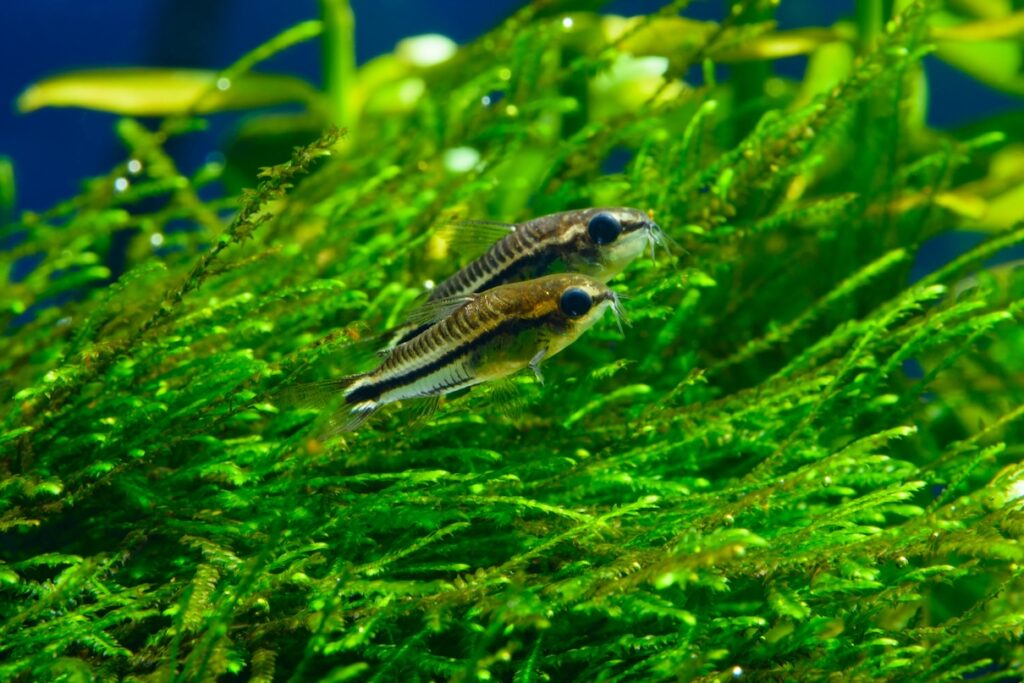
Pygmy corydoras catfish (pygmy corys or pygmy cory cats) are peaceful, beginner-friendly freshwater fish native to South American river basins. In the wild, they inhabit slow-moving water with plenty of vegetation and tree roots.
These bottom-dwellers are facultative air-breathers, meaning they can gulp air at the surface to supplement their oxygen intake. These catfish are usually silver, gray, tan, or beige, with a horizontal black stripe running the length of the body.
How to Set Up a Pygmy Corydoras Tank
While pygmy cory cats naturally inhabit slow-moving water, an aquarium should have gentle to moderate flow, plenty of plants, and ample swimming space.
Here are some tank setup essentials to create a comfortable freshwater tank for pygmy corydoras.
Tank Setup
- Minimum tank size: 10 gallons for beginners
- Additional space: Add space for a group of eight to 10 pygmy corys
- Tank lids: Use a secure lid to help prevent accidental escapes
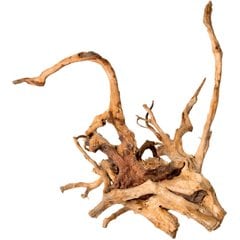
- Decor: Always choose aquarium-safe decorations. For natural options, consider driftwood, spider wood, or leaf litter.
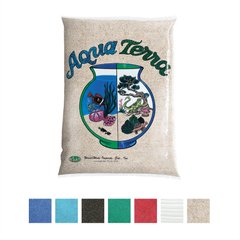
- Substrate: Fine, smooth sand is a good substrate choice
- Live plants: Aquatic plants mimic a pygmy cory cat’s native habitat and promote better water quality
- Swimming space: Grazing on the bottom and other surfaces and swimming in the middle of the aquarium
Recommended Products

Water Parameters
Pygmy corys are sensitive to swings in water parameters. Test the water regularly and make water changes as needed to keep parameters stable.
- Temperature: 72–78 F
- pH: 6.4–7.5
- Water hardness: 2–12 dGH
- Ammonia: 0 ppm
- Nitrite: 0 ppm
- Nitrate: < 20 ppm
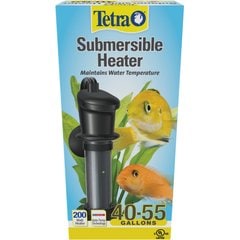
You may need a heater to keep the aquarium temperature stable. Use a thermometer to monitor fluctuations, especially during seasonal temperature changes.
For water changes, use dechlorinated tap water or remineralized RO/DI water.
Recommended Products

Filtration and Oxygenation
Pygmy corydoras thrive in slow-moving water. Low-flow filters are ideal, especially for a species-specific tank.
- Recommended filter type: Sponge filter or an adjustable hang-on-back (HOB) filter
- Mechanical filtration: Sponge or other mechanical media that traps debris
- Biological filtration: Beneficial bacteria living on filter media; live plants can also help support water quality
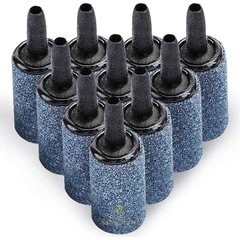
- Supplemental aeration: Air stones or other oxygenation methods may be especially useful in more heavily stocked tanks
Recommended Products

Cycling and Stocking
To keep fish and snails safe, cycle all tanks. “Cycled” refers to the nitrogen cycle. This process involves beneficial nitrifying microbes converting ammonia into nitrite and nitrite into nitrate.
An uncycled tank can contain toxic ammonia and nitrites, which can cause breathing problems and other health issues in fish.
Before adding any new pygmy corydoras, even to an established tank, quarantine them first. This allows you to confirm your new fish are healthy, eating well, and behaving normally.
Maintenance Schedule
Pygmy cory tank maintenance includes general daily, weekly, and monthly tasks.
| Daily Tank Maintenance | Weekly Tank Maintenance | Monthly Tank Maintenance |
|---|---|---|
| Observe swimming, group dynamics, and appearance | Test water parameters | Rinse or replace filter media when necessary |
| Offer food they can eat in 1–2 minutes | Perform 10–25% water changes with a gravel vacuum | Clean and inspect equipment |
| Remove uneaten food | Clean filter components as needed and wipe down tank glass |
What Do Pygmy Corydoras Eat?
Pygmy cory cats are omnivores and spend plenty of time grazing on various things they find in the tank.
While they can eat algae and biofilm, their diet should include a mix of small meaty and plant-based foods. Pygmy cory cats are also slow eaters.
Offer a varied diet of freeze-dried, flakes, frozen, and live foods.
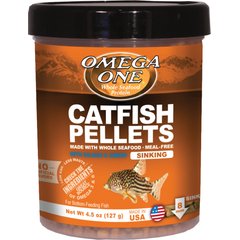
- Small sinking pellets
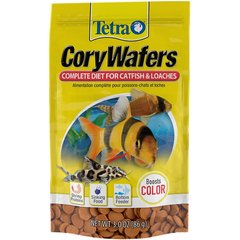
- Wafers
- Freeze-dried items like tubifex worms
- Frozen daphnia, cyclops, or baby brine shrimp
For baby pygmy cory cats, prioritize tiny, powder-like foods, vinegar eels, or live freshwater copepods and daphnia.
Feed adult pygmy corys an amount they can eat in under two minutes once a day. For fry, offer food two to three times a day.
Recommended Products

Which Fish Can Live With Pygmy Corydoras
Pygmy corydoras are shoaling fish. Kept alone or without enough cover, they can be shy, but in a group, they are fun to watch as they swim actively.
Unlike many other corydoras species, Pygmy corys swim in the middle of the water column, almost hovering in place.
As peaceful community fish, keep pygmy corys with other fish of similar temperament. Adult invertebrates are safe, but beware: pygmy cory cats might eat shrimplets.
Compatible tankmates include:
- Cherry shrimp
- Snails
- Chili rasboras
- Celestial pearl danios (CPDs)
- Otocinclus
How to Choose Healthy Pygmy Corydoras
The first step to successfully keeping pygmy cory cats is knowing where to get them. Finding a reputable local fish store, a trusted friend, or a reliable breeder can increase the chances that your new corys are healthy and eating well.
Additionally, learning about pygmy corys can help you know what to look for when selecting one to bring home. The following are all signs of a healthy pygmy corydoras:
- Clear eyes
- Intact fins
- Smooth body with even, non-patchy coloring
- Strong appetite
- Shoaling with the group
- Normal swimming
- Intact barbels
Common Pygmy Corydoras Health Problems
Because of their small size, health issues can be difficult to spot until they become serious, which is why prevention goes a long way toward keeping corys healthy.
The following are common corydoras health issues to look out for:
- Barbel erosion: Rough substrate can cause erosion, which may worsen with stress and poor water quality.
- Ich: A common, stress-related parasitic disease caused by Ichthyophthirius multifiliis; it often appears as small white spots and is accompanied by fish rubbing their bodies on surfaces to scratch.
- Poor water quality: Pygmy corydoras are sensitive fish, and water-quality swings can cause stress, which can lead to other health issues.
Some of the best preventive measures you can take to keep your pygmy cory cats healthy include feeding them nutritious, high-quality food; regularly maintaining the tank and testing the water; and quarantining new fish.
Pygmy Corydoras FAQs
How big do pygmy corydoras get?
Adult pygmy corydoras grow up to 1 inch long.
Can pygmy corydoras live alone?
Pygmy corydoras should not be kept alone, as they can be shy and do best in groups.
Are pygmy corydoras aggressive?
No. Pygmy cory cats are peaceful, non-aggressive fish.
What size tank does a pygmy corydoras need?
A small group of three to four pygmy corys can live in a 6-gallon tank, but a 10-gallon tank is best for larger groups of eight to 10.
How long do pygmy corydoras live?
On average, pygmy cory cats live for three to five years.
Do pygmy corys clean the tank?
Pygmy corys graze on biofilm and bits of algae in the tank, but they aren’t considered cleaners or a replacement for regular cleaning and maintenance.
Do pygmy corydoras like sand or gravel?
Because pygmy corydoras have delicate barbels, they prefer a smooth or fine-sand substrate.
What are good tankmates for pygmy corydoras?
Compatible fish include other small, peaceful freshwater fish, snails, and small shrimp.
Attributions