Frozen vs. Flake Fish Food: Which Is Best for Your Fish?


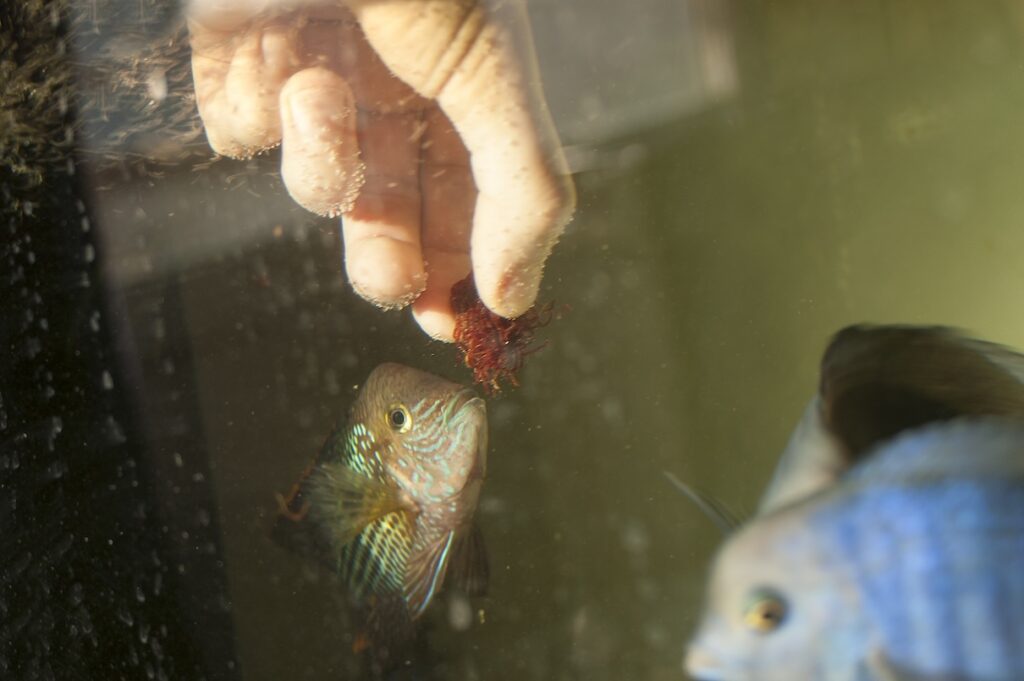
victorass88 via Getty Images
Feed your fish the food that best meets their nutritional needs. Frozen food isn’t better than flakes; each has benefits and drawbacks.
To choose the best food, consider your fish’s nutritional needs, feeding habits, size, and what they eat.
Key Takeaways
- When choosing between flake and frozen food, consider the fish’s needs and feeding habits.
- Before feeding frozen food, thaw it according to the product directions.
- Many factors matter when selecting food, including your fish’s needs, the food’s nutritional value, and whether it’s the right size.
Frozen vs. Flake Fish Food at a Glance
| Factor | Frozen Fish Food | Flake Fish Food |
|---|---|---|
| Nutrition | Nutrient-dense | Often available as complete and balanced formula |
| Convenience | Freezer storage and prep | Easy to store and portion |
| Shelf life | Longer when frozen, but can get freezer-burned if not stored properly | Can lose nutrients |
| Feeding | May require thawing and portioning | Ready to feed and serve |
| Variety | Bloodworms, silversides, cyclops, brine shrimp, mysis, etc. | A variety of diet-specific formulas |
| Cost | Typically higher per serving | More economical |
| Best for | Dietary variety, species-specific feeding | Routine feeding and some automatic feeders |
| Drawbacks | Requires freezer space | Quality and freshness vary |
What Is Frozen Fish Food?
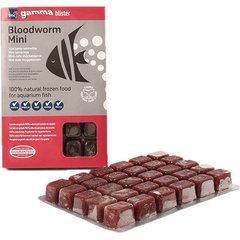
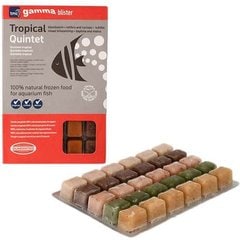
Frozen fish food comes in many types and works well for picky eaters and new pet fish. Common types of frozen fish food include:
- Flat packs
- Cubes
- Individually quick-frozen (IQF) foods such as silversides and clams
Many frozen foods need to be thawed before feeding your fish. They also take up freezer space and usually cost more.
Recommended Products
What Is Flake Fish Food?
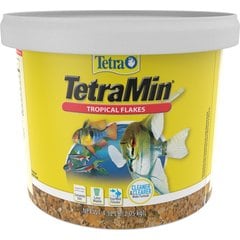
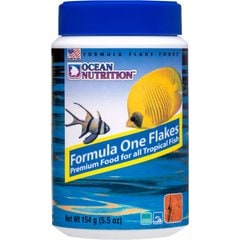
Flakes are the quintessential fish food. They store well, suit slow eaters, and work well for surface-feeding fish species.
Flake fish food is also affordable and versatile, working as a daily option or in auto feeders. This flexibility makes it a good choice for vacations and automatic feeders.
Common flake formulas include community blends and dietary blends for carnivores, herbivores, omnivores, and insectivores.
However, flakes may be less suitable for bottom-feeding or midwater fish unless they sink or are paired with another food. If your fish needs species-specific nutrition, general flakes may not be the best option because many are formulated for community aquariums.
Recommended Products
Is Frozen Fish Food Better Than Flakes?
Frozen fish food is not necessarily better than flake food. Each type has benefits and drawbacks. Fish have different nutritional needs, so what works for one species may not work as well for another.
Nutrition
Many frozen foods are supplements, while some flakes are formulated as complete, balanced diets. Always check the product label to make sure your fish’s food (frozen or flakes) meets its nutritional needs.
Desirability
When offered flake and frozen food side by side, some fish may readily select frozen food. The scent and texture of thawed frozen food may be more appealing to some fish than flakes.
Convenience
Flake food, with its resealable container that can be kept near the tank, is often more convenient to store.
It is also easier to buy, since there is no risk of it thawing after purchase.
Affordability
Flake food is usually more affordable than frozen food.
Although frozen food typically costs more per serving, it can still be a useful occasional supplement or treat.
Should You Feed Fish Frozen Food and Flakes?
You can feed both types if each is appropriate for the species and the overall diet meets the fish’s nutritional needs. Fish can benefit from dietary variety, and if the foods meet their nutritional needs, you can feed them both.
Flakes are often convenient for surface-feeding fish and some automatic feeders, but they are not the best option for every species. You can add frozen foods to the mix to offer variety or as a treat.
The most important factor is the fish species. Carnivores have different nutritional needs than herbivores and insectivores. Always feed according to your fish’s needs, and if you need guidance, speak with an aquatic veterinarian or expert.
Frozen vs. Flake Food for Common Aquarium Fish
Aquarium fish have different dietary preferences, so one food type may not suit every species.
Use the list below to see whether these common freshwater and saltwater aquarium fish can generally be fed frozen food, flake food, or a combination of both.
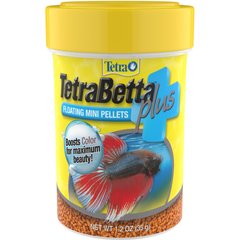
- Betta fish: As surface feeders, bettas can be fed high-protein, betta-specific flakes
- Goldfish: These popular aquarium fish are often sold with flake food, but because they’re omnivores, consider feeding them a mix of appropriately formulated goldfish food
- Platy fish: Platies do well on flake food, including insect-based, plant-based, or omnivore formulas
- Clownfish: Flakes and frozen foods both work for clownfish; make sure the food meets their dietary needs
- Puffers, moray eels, and triggerfish: Frozen foods may be appropriate for some, but the food’s type, size, and texture should match the species
- Cardinalfish: Depending on the species, flakes and frozen foods may both be options
Recommended Products

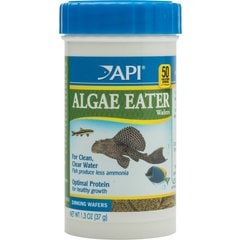
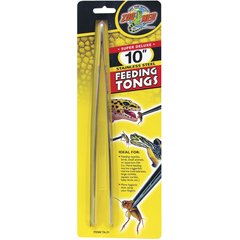
How To Feed Frozen Fish Food Safely
Frozen fish food can provide valuable nutrition, but you should handle and prepare it properly to protect your fish and maintain water quality.
Follow these steps to thaw, portion, and serve frozen food safely.
- Determine the portion of frozen food you need based on the type of food and the size and number of fish being fed
- Remove the predetermined amount of food while it’s still frozen, reseal it, and return it to the freezer
- Using a dedicated, clean cup, collect a small amount of tank water
- Place the frozen portion of food in the cup to thaw until softened, following the product directions
- Distribute the food across the tank or target-feed
- Remove uneaten food promptly to help maintain water quality
- Do not refreeze food that has completely thawed
Recommended Product
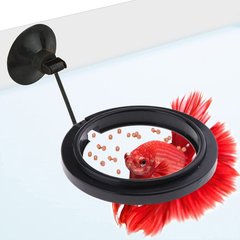
How To Feed Flake Fish Food
Flake food is convenient and easy to portion, but feeding too much can quickly foul the water.
Follow these steps to choose the right amount, distribute the food evenly, and make sure your fish eat it before it sinks uneaten.
- Offer no more food than your fish can eat in about one to two minutes, adjusting the portion for the species and tank
- For small fish or those with a tiny mouth, crush and break up the flakes before feeding
- Feed on a consistent schedule and adjust portions based on appetite, fish size, and water quality
- Store flakes in a tightly sealed container in a cool, dry place away from heat, light, humidity, and tank splashes
Recommended Products
What to Look for in Fish Food
Choosing the right fish food starts with understanding your fish’s species, diet, and feeding habits. Look for a formula with appropriate nutrients, quality ingredients, and a texture or size your fish can easily eat.
A varied diet may also help provide the balanced nutrition your fish need. Keep these factors in mind.
- Food appropriate for the fish species and feeding zone
- Nutrients that meet the fish’s herbivore, omnivore, carnivore, or insectivore needs
- A size and texture the fish can easily consume
- Complete and balanced nutrition when the food is intended as a staple diet
- Clear feeding and storage instructions
- A package size the fish can use before the food loses freshness
FAQs About Frozen and Flake Fish Food
Is frozen fish food better than flakes?
There’s no one right answer. The best choice depends on the fish species, feeding behavior, nutritional needs, convenience, and the product’s formulation.
Is frozen food good for aquarium fish?
Yes. Appropriate frozen fish food can be a good option for aquarium fish, offering plenty of variety and working well for some picky eaters. Some frozen foods are supplemental rather than complete diets
Can you feed fish frozen food every day?
It depends on the frozen food and the fish species. Some products can be fed daily, while others are intended only as supplements or treats. Follow the product label and species-specific feeding guidance.
Should you thaw frozen fish food before feeding?
Usually, yes. Thaw frozen fish food according to the product directions, and do not feed frozen portions unless the label specifically says it is safe.
Can you feed fish both flakes and frozen food?
Yes. You can feed both flakes and frozen food if they’re appropriate for your fish and, together, meet their nutritional needs. Don’t overfeed and remove uneaten food.
What is the healthiest food for aquarium fish?
The healthiest staple food is a species-appropriate, complete and balanced formula, supplemented with other foods when appropriate.
Do fish prefer flakes or frozen food?
Different fish have different food preferences, and the appropriate food depends on their species, feeding behavior, and nutritional needs.
Some surface-feeding fish readily eat flakes, while many predatory species, like puffers and eels, may prefer appropriate frozen foods.
Can you refreeze thawed fish food?
No. Thaw only the amount your fish will eat, and discard any food that has completely thawed and was not used. Do not refreeze thawed fish food unless the product directions specifically say it is safe.
How long does thawed fish food last?
Use thawed fish food as soon as possible, ideally during the same feeding. If the package allows refrigerated storage, follow its instructions and discard the food if it develops an unusual odor, appearance, or texture.
Can frozen fish food cloud aquarium water?
Yes. Overfeeding, excess thawing liquid, or uneaten food can add organic matter to the aquarium and cloud the water. Feed small portions, discard thawing liquid when appropriate, and remove uneaten food promptly.
Attributions