Platy Fish Care Guide: Tank Setup, Diet, Tank Mates, and More


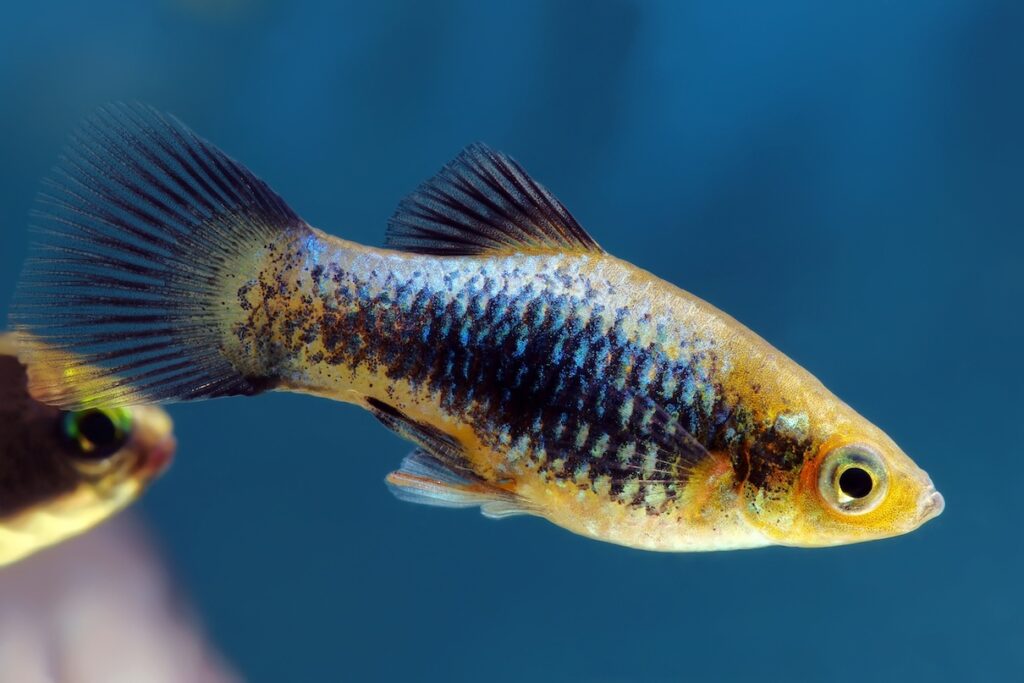
Photo by Adobe/mikhalig
Platies are colorful, peaceful freshwater fish known for being hardy and beginner-friendly. With the right tank setup, stable water conditions, and a balanced diet, these active livebearers can make rewarding aquarium pets.
Key Takeaways
- Platies are hardy, peaceful fish that are relatively easy to care for, making them a good choice for beginner aquarists.
- Keep platies in clean, stable water with plenty of swimming space and plants or other hiding places.
- Platies breed readily, so keep more females than males and plan for fry if you house males and females together.
What Are Platies?
Platies are small, beginner-friendly freshwater fish native to Mexico and Central America. They typically grow to about 2–3 inches long and can live approximately 3–4 years with proper care.
Platies come in numerous colors, patterns, fin types, and body shapes. Some common varieties include:
Pattern Varieties
- Mickey Mouse
- Crescent
- Calico
- Speckled
- Wagtail
Color Varieties
- Blue
- Green
- Sunburst
- Red
- Velvet
- Bumblebee
Fin and Body Shape Varieties
- Dwarf
- Balloon
- High-Fin
- Pintail
How To Set Up a Platy Tank
In their native range in Mexico and Central America, platies inhabit springs, ditches, canals, and other waters where vegetation and slower-moving water may be common.
In an aquarium, provide plenty of plants, swimming space, and gentle to moderate water flow. Here’s what you’ll need to create a comfortable freshwater tank for platies.
Tank Setup
- Minimum tank size: 10 gallons
- Additional space: Platies reproduce readily, so you may need a larger tank as your community population grows.
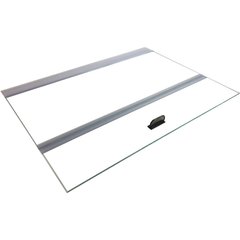
- Tank lids: Use a secure aquarium lid to help prevent platies from jumping out.
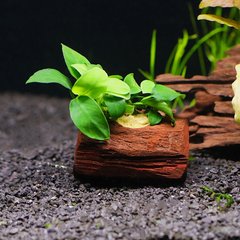
- Aquarium decor: Add aquarium-safe artificial plants, rocks, or wood to create hiding places and visual interest. If you use driftwood, monitor your water parameters because some wood can release tannins and affect water chemistry.
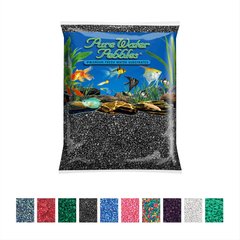
- Substrate: Smooth gravel or sand works well for platies. A darker substrate can also help their colors stand out.
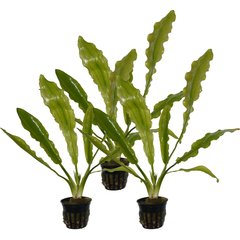
- Live plants: Aquatic plants mimic natural cover, provide hiding places, and can help support water quality.
- Swimming space: Platies are active swimmers and will spend time throughout the water column.
Recommended Products

Water Parameters
Platy fish can handle a range of temperatures, pH, and hardness, but they will do best when their water parameters are kept stable.
- Temperature: 70–82 F
- pH: 6.8–8.5
- Hardness level: 8–20 dGH
- Nitrate: < 40 ppm
- Ammonia: 0 ppm
- Nitrite: 0 ppm
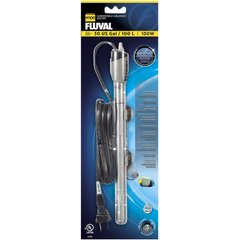
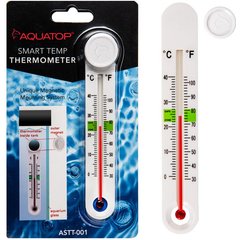
Use an aquarium thermometer to monitor water temperature and, when needed, a heater to maintain a stable temperature within the appropriate range.
Treat tap water with an aquarium water conditioner when initially filling the tank and during water changes. Chlorine and chloramine used to treat tap water can harm fish.
Recommended Products

Filtration and Oxygenation
Platies do best with adequate filtration and water movement without excessively strong currents. Suitable filtration options include:
- Hang-on-back (HOB) filter with adjustable flow
- Sponge filter
- Biological filter media that supports beneficial bacteria
- Mechanical filter media to capture debris
Recommended Products

Cycling and Stocking
In your freshwater tank, bacteria break ammonia into nitrite, and a second group of bacteria breaks nitrite into the less toxic, easily removed nitrate. This is the nitrogen cycle, and it needs to be in place for a tank to be safe for fish.
A new aquarium needs an ammonia source to establish the beneficial bacteria responsible for the nitrogen cycle. Whenever possible, fully cycle the aquarium before adding platies, and test ammonia, nitrite, and nitrate regularly to make sure the tank is ready for fish.
When adding platies to an established tank, follow proper quarantining procedures. Quarantining new platies before adding them to an established aquarium can:
- Help reduce stress
- Ensure they’re eating enough
- Eliminate any possibility of health problems
- Prevent health issues from being introduced to the tank
Maintenance
Platy tank maintenance can be broken down into daily, weekly, and monthly tasks.
| Daily Tank Maintenance | Weekly Tank Maintenance | Monthly Tank Maintenance |
|---|---|---|
| Observe swimming, group dynamics, and appearance | Test water parameters | Replace filter media when necessary |
| Offer food they can eat in 1–2 minutes | Perform 10–25% water changes with a gravel vacuum | Clean and inspect equipment |
| Remove uneaten food | Clean filter components as needed and clean tank glass |
What Do Platies Eat?
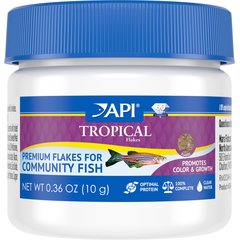
Platies are omnivores that eat both plant and animal matter. Feed a nutritionally complete food formulated for tropical freshwater fish, supplemented as appropriate with frozen or live foods.
Feed adult platies once or twice daily, offering only as much food as they can finish within a few minutes. Younger fish may require more frequent feedings.
These are the best choices to incorporate into their diet:
- Floating or slow-sinking pellets
- Flake foods
- Frozen foods
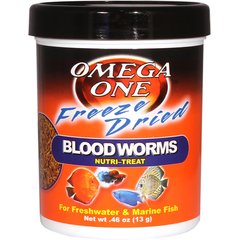
- Protein-rich treats like bloodworms
Recommended Products

What Fish Can Live With Platies?
Platies are peaceful community fish that generally do well with other nonaggressive species that share similar water requirements.
Male platies may frequently chase females, so keep multiple females per male to reduce persistent harassment of any one fish.
Potential platy tank mates include the following, provided their tank size, temperament, and water-parameter requirements are compatible:
With any species of fish, overcrowding can cause aggression, health problems, and water quality issues. Make sure your tank is appropriately sized for the number of fish you are keeping.
Signs of a Healthy Platy Fish
Before bringing home platies, choose a reputable seller and look closely at the fish’s appearance and behavior. Signs of a healthy platy include:
- Clear eyes
- Intact fins
- Healthy appetite
- Normal and active swimming behavior
- Well-proportioned bodies
- Bright colors and smooth scales
Common Platy Fish Health Problems
Keep an eye out for some of these common health concerns for platies:
- Ich (white spots or scratching)
- Fin rot (torn or tattered fins)
- Cottonmouth/mouth fungus (pale gills, skin patches, swimming issues)
- Stress (diminished colors, heavy breathing, hiding)
You can help reduce the risk of many health problems by providing:
- Healthy diet
- Good water quality
- Quarantining new fish
- Proper stocking and tankmates
- Shopping with reputable suppliers
Platies FAQs
How big do platies get?
Platies typically grow about 2–3 inches long, with females generally growing slightly larger than males.
Can platies live alone?
Platies can live alone, but they’re social fish and generally do best in groups of at least three.
Are platies aggressive?
Platies are generally peaceful community fish, although males may chase females and individual fish can occasionally show territorial or aggressive behavior.
What size tank do platies need?
Platies need a tank of at least 10 gallons, although a larger aquarium may be necessary for bigger groups or a growing population.
How long do platies live?
Platies typically live about 3–4 years with proper care, although lifespan varies based on genetics, diet, water quality, and overall health.
How can you tell if a platy is happy?
Healthy, comfortable platies are typically active, have a good appetite, display normal coloration, and readily explore their aquarium.
How can you tell if a platy is pregnant?
A pregnant platy’s abdomen becomes noticeably enlarged, and the dark “gravid spot” near the rear of her abdomen may become more pronounced as pregnancy progresses. Gestation typically lasts about 24–30 days.
Attributions