Molly Fish Care Guide: Tank Setup, Diet, Tank Mates and More


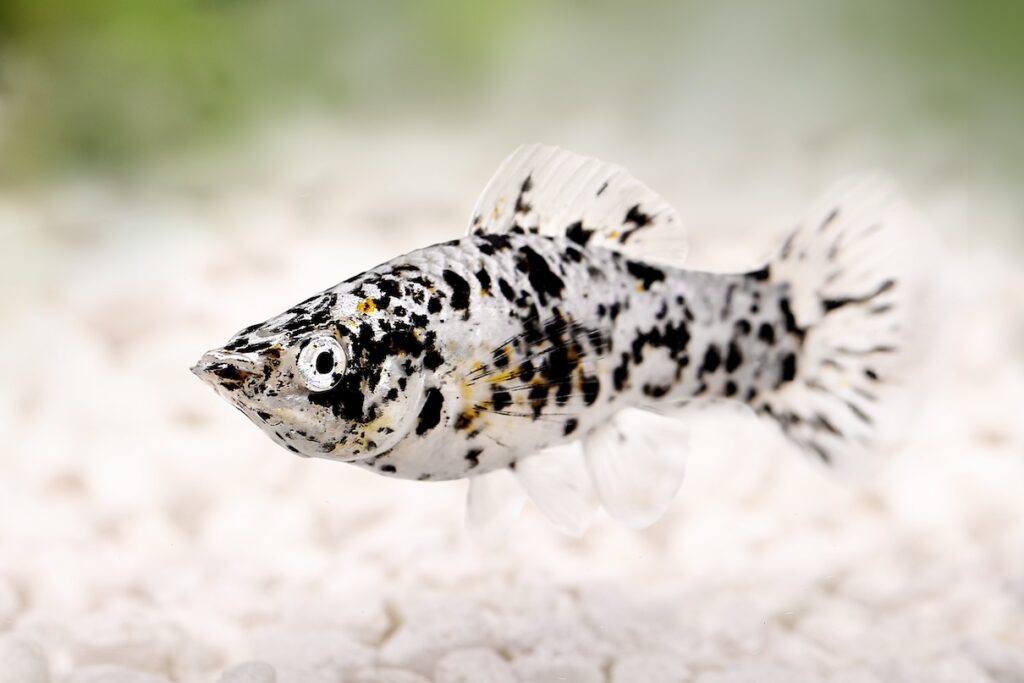
Photo by Adobe/Mirko Rosenau
Mollies, or molly fish, are a peaceful freshwater fish most at home in stable, warm, alkaline water. These live-bearing fish are great for a beginner aquarium and thrive in a 20-gallon tank with plenty of plant-based food options.
Key Takeaways
- Mollies are active, live-bearing freshwater fish that reproduce frequently and require a strict male-to-female ratio to reduce aggression.
- They are sensitive to water parameters and thrive in hard alkaline water tanks.
- Mollies are omnivores, but their diet should mainly consist of high-quality plant proteins and vegetables with small amounts of protein.
- Daily observation, regular water testing, and water changes are key to keeping mollies healthy.
What Are Molly Fish?
Mollies are freshwater fish in the genus Poecilia, formerly Mollienisia. They are prolific livebearers and have a history of selective breeding for a variety of colors. Here are some common types of molly fish:
- Sailfin molly
- Balloon molly
- Dalmatian molly
- Black molly
- Golden molly
On average, male mollies are between two and three inches in length, while females are slightly larger. Sailfin mollies are closer to wild-type and tend to be bigger than other mollies. One way to tell them apart is that female mollies have a rounded anal fin.
Mollies are active, peaceful fish that thrive in groups and, with proper care, can live up to five years.
While they are often referred to as easy or beginner fish, mollies are sensitive to elevated levels of ammonia, nitrite, and nitrate, and can become stressed in low-pH soft water.
Ideal Tank Size and Setup for Molly Fish
Mollies need at least a 20-gallon tank to stay healthy and stable, especially if there are other livebearing species, as it can quickly get crowded.
Molly fish do best in groups of three to five, with one male for every two to three females. You’ll likely find your male molly fish chasing the females around the tank. If you don’t want babies, mollies will do fine in a group with only males.
Molly Fish Water Parameters
Mollies are versatile and live in freshwater aquariums filled with hard, alkaline water. However, they can also live in brackish water or saltwater tanks.
No matter which environment you choose for your molly fish, stable water parameters are key to keeping them healthy and stress-free.
- Temperature: 72–78 F
- pH: 7.5–8.5
- GH/Hardness: Medium to hard
- Ammonia: 0
- Nitrite: 0
- Nitrate: Less than 40 ppm
Filtration and Tank Setup
Like with other freshwater tank setups, proper filtration and substrates are important supplies for a healthy molly tank.
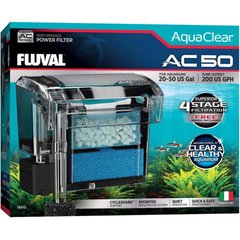
Choose a filter with a flow rate that turns over the tank 5–10 times per hour, and includes mechanical, chemical, and biological media.
- Hang-on-back filter
Recommended Products

- Canister
Recommended Products


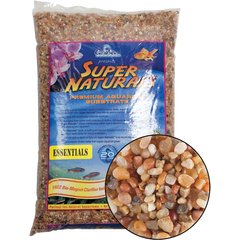
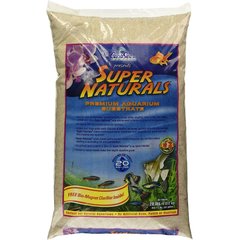
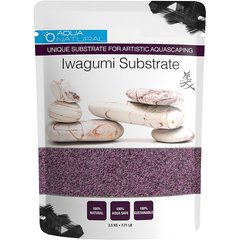
For substrates, a molly fish needs one with sand or fine gravel.
Recommended Products
Make sure you include a heater rated at 3–5 watts per gallon, as mollies are sensitive to temperature fluctuations.
Recommended Products
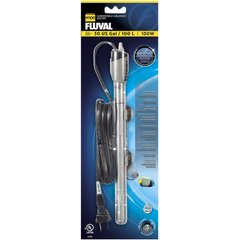
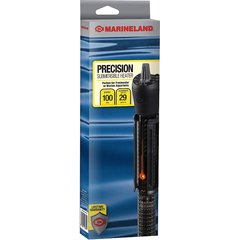
Lastly, live aquarium plants make an excellent addition to your molly fish tank. The plants give young fry places to hide and help keep the water clean.
What Mistakes to Avoid in Molly Tank Setup
- Getting the wrong tank: While it can be tempting to get a small tank, it can lead to issues in the future. A minimum of 20 gallons is necessary.
- Using soft water: Hard water is key for molly fish. Without it, they can become stressed and susceptible to health problems. If your water is soft, you can add crushed coral or limestone décor to help increase hardness and pH.
- Not cycling water: Mollies are sensitive to ammonia and other nitrogenous waste. They should only be added to a fully cycled tank, so they’re not the best choice for starting a tank.
- Skipping quarantine: Adding new fish to your Molly tank without a quarantine can introduce illness and disease to your main display tank.
Molly Fish Diet
Mollies are omnivores that should eat mostly plant-based foods with some protein sprinkled in once or twice a day. Remove any uneaten food within 30–60 seconds after feeding your mollies to prevent poor water quality and illness.
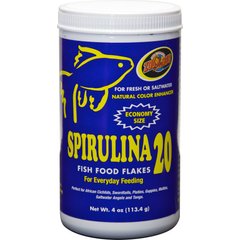
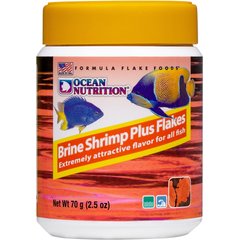
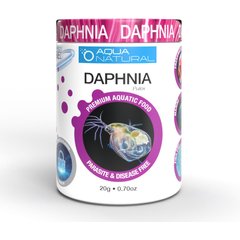
A well-balanced molly fish diet can include high-quality flakes and smaller pellets that are half the size of their mouths, protein sources, algae, or plant matter.
- Flake foods based on spirulina and insects
Recommended Products

- Blanched vegetables (especially zucchini and spinach)
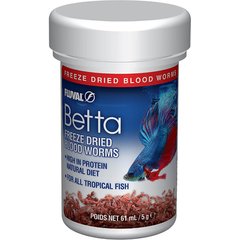
- Brine shrimp, bloodworms, or other invertebrates
Recommended Products
Molly Fish Tank Mates and Compatibility
Mollies are peaceful, active fish and do best with other small, non-aggressive fish. You’ll likely find your mollies near the top or middle of the tank. Since mollies are livebearers, avoid overcrowding by not choosing too many live-bearing species with mixed sexes.
Aside from other mollies, some other compatible species for your community tank include:
Steer clear of notoriously aggressive fish, fin nippers, larger species, and those that need soft, acidic water, like:
Common Molly Fish Health Issues
Mollies, especially when newly introduced, can experience high stress. Molly fish are especially sensitive to elevated ammonia, nitrite, and nitrate. Low pH and hardness in their tank can cause stress that can snowball into serious health problems.
Common symptoms, such as shimmying, white or red spots, and fin problems, can indicate any of the following health issues before they become serious.
- Ich
- Fin rot
- Swim bladder disease
- Molly disease
- Velvet disease
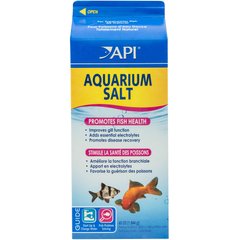
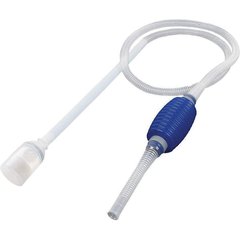
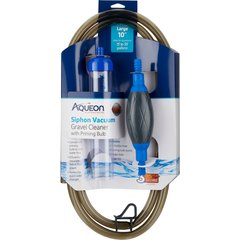
If your mollies are exhibiting any symptoms, your first course of action should be to test the water, change the water with a gravel vacuum, add some salt, and consult with a fish expert.
Recommended Products
Frequently Asked Questions About Molly Fish
How many mollies should be kept together?
You should keep mollies at a ratio of one male to two to three females. Their tank size should start at 20 gallons and increase with the number of fish you have.
Are mollies easy to care for?
Mollies are easy fish to care for and are great for beginners if you keep their water clean, feed them a proper diet, and add compatible tankmates.
Can mollies live with goldfish?
No. Fish experts advise against keeping mollies with goldfish since they like different water conditions.
How often should you feed molly fish?
Molly fish should only be fed as much as they can eat in 30–60 seconds once or twice per day.
Why are my mollies chasing each other?
Mollies are socially active fish, and the males regularly chase the females around the tank.
Attributions