Fancy Guppies Care Sheet


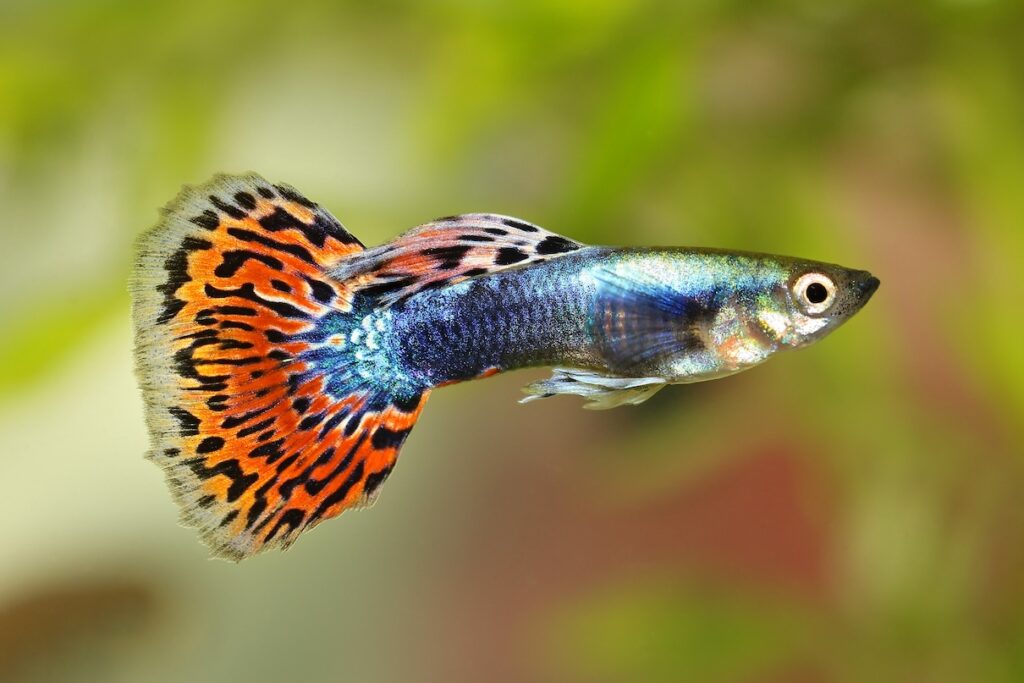
Photo by Adobe/Mirko Rosenau
Fancy guppy care is straightforward when you provide a stable freshwater tank, peaceful tank mates, and a varied diet. These colorful livebearing fish are active, social, and popular with beginner aquarists.
Key Takeaways
- Fancy guppies are colorful, peaceful freshwater fish that are well-suited for beginner aquarists.
- Fancy guppies need stable water parameters, gentle filtration, and a fully cycled tank to stay healthy.
- Fancy guppies are livebearers and can reproduce about every 30 days, so an all-male group is a good option if you do not want fry.
- Feed fancy guppies a varied diet of high-quality flakes or small pellets, plus protein-rich and plant-based foods.
What Are Fancy Guppies?
Fancy guppies, or Poecilia reticulata, are freshwater fish selectively bred for their bright colors and elongated, ornate fins. Adult fancy guppies are 1.5–2.5 inches in length, with males being smaller and more vibrantly colored than females.
With proper care, fancy guppies can live to 2–3 years old. These freshwater fish are great for beginners and community tanks due to their peaceful yet socially active nature.
Types of Fancy Guppies
There are a variety of fancy guppy types, and an easy way to classify them is by their tails and patterns.
Tail Type
- Fan tail: A broad, flag-like tail
- Delta tail: Similar to a fan tail but even more exaggerated, typically triangle-shaped
- Lyretail: Showing a top and bottom spike
- Pintail: A small tail variety where the tail fin ends in a small spike
Pattern Type
- Mosaic: Black honeycomb pattern within a base of red, blue, or other color
- Cobra: A maze-like black pattern over the base color of green, blue, etc., covering a little more than half the body
- Snakeskin: Similar to a Cobra guppy, but with the pattern covering the whole body
- Moscow: Essentially patternless, with the full body and fins being one color (black, blue, green, etc.)
Ideal Tank Setup for Fancy Guppies
When setting up a new tank for fancy guppies, keep the following guidelines in mind:
- Minimum tank size: 10 gallons
- Ideal tank size: 15–20 gallons
- Fish population: One male for every two to three females, and groups of three to six or more (or only males if you don’t want them to reproduce)
Tank Stocking and Population
If you are going to keep multiple fish species, then plan on a tank on the larger side. Guppies will live fine in a community with other peaceful species. The general rule of thumb for small, peaceful fish is about one inch of fish per gallon.
If you want to see babies grow up in your tank, you’ll need to keep your guppies in a heavily planted tank. Guppy grass is one of the best free-floating plants to provide a lot of cover for baby guppies to grow up in.
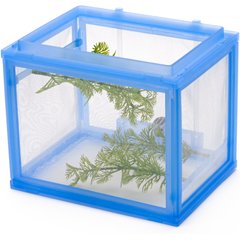
Alternatively, you can pull the females and place them in a breeder net until they give birth (remove the mom immediately after she has babies, as they can be cannibalistic).
Recommended Product
Fancy Guppy Water Parameters
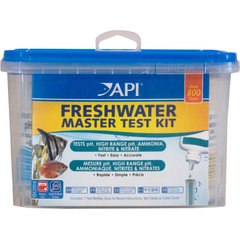
Use a freshwater test kit weekly to measure water parameters and ensure they remain stable.
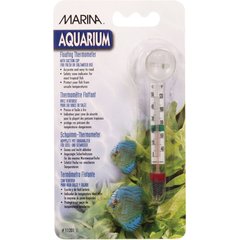
- Temperature: 76–82 F
- pH: 6.8–7.8
- Hardness: 8–14 dKH (moderate to hard)
- Nitrate: less than 40 ppm
- Nitrite:0 ppm
- Ammonia: 0 ppm
Recommended Products
Filtration and Flow
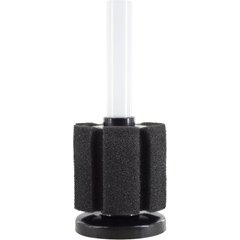
Fancy guppies have a difficult time swimming in a strong current with their long, flowing fins. Sponge filters and box filters are great low-flow filters, but they take up tank space and may not suit every aquascape.
Alternatives include hang-on-back filters or canister filters with a lower flow rate. For guppies, look for a filter with a flow rate that turns over the tank volume about five times per hour.
Recommended Products


Tank Environment
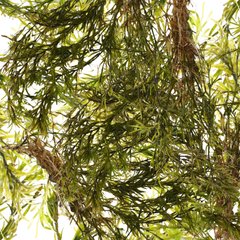
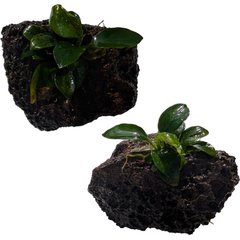
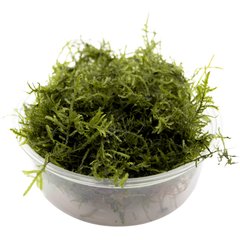
Live plants are ideal for aquascaping with fancy guppies. The natural cover helps reduce stress, provides safe hiding places for fry (free-swimming babies), and improves water filtration. A few good live plants include:
- Java moss
- Guppy grass
- Anubias
Recommended Products
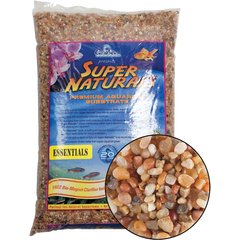
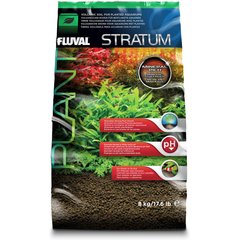
For the substrate, inert gravel is fine, but if you’re using live plants, use a substrate designed to support them.
Recommended Products
Cycling and Water Stability
New freshwater tanks need to be cycled. Fully cycling a tank takes at least a month, but using beneficial bacterial cultures reduces peaks in toxic ammonia and nitrite. Established tanks have healthy bacteria to break down harmful waste, converting ammonia and nitrites into less toxic nitrates.
Recommended Product

Fancy Guppy Diet and Feeding
What you feed your fish is a critical component of their overall health and well-being. For fancy guppies, the nutrients in their diet will affect their colors, growth rates, and reproductive health.
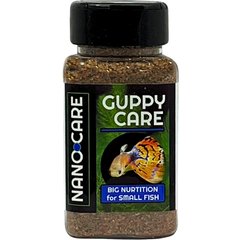
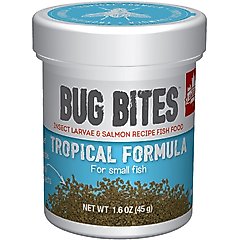
A guppy’s diet should primarily be made up of protein-rich foods with some plant-based options to ensure overall health. Look for high-quality fish flake foods and small pellets that are half the size of your guppy’s mouth.
- High-quality flakes
Recommended Products
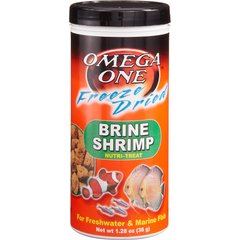
- Brine shrimp
Recommended Product
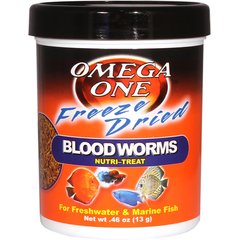
- Bloodworms
Recommended Product
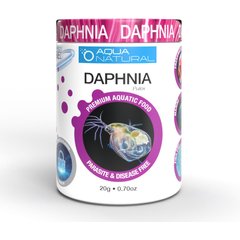
- Daphnia
Recommended Product
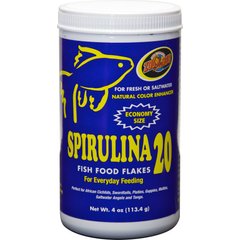
- Spirulina flakes
Recommended Product
- Algae-based foods
- Vegetables like blanched zucchini or spinach
Feeding Schedule
Adult fancy guppies should be fed one to two times every day, and fry should be fed three to five times a day. Feed them only what they will eat within 30–60 seconds, and remove any uneaten food from the tank.
Avoid offering too much food or failing to remove excess food after feeding. If you overfeed or don’t clean excess food, it can lead to poor water quality and stressed-out fish. Low-quality food that lacks protein and plant options can lead to poor nutrition. A lackluster diet can result in dull colors, reduced health, and weakened immunity.
Fancy Guppy Tank Mates and Compatibility
Fancy guppies are active, peaceful community fish and should be paired with fish of similar size and temperament. Consider some of the following similar-sized, peaceful fish:
- Tetras of similar temperament (note some tetras are nippy)
- Rasboras
- Danios
- Corydoras
- Mollies
- Platies
Steer clear of larger and notoriously aggressive fish such as:
- Barbs (specifically tiger barbs)
- Cichlids
- Freshwater sharks (specifically Bala sharks)
- Puffers
- Angelfish
Guppies have brightly colored bodies with ornate fins. When combined with their active behavior, this may trigger aggression from other non-guppy tankmates, like fin-nipping.
Stocking Strategy
- Fancy guppies are prolific fish and can give birth to live fry every 30 days. This can quickly lead to an overstocked tank.
- If you notice your guppy population outgrowing their tank, consider sharing your guppies with a fellow hobbyist or local fish store.
- If you don’t want your guppies to breed, then only keep males in the tank. Females, even when kept away from males, will still have babies as they can retain sperm for many months.
Common Health Issues and Care Tips
Regularly spending time observing your fancy guppies will help you identify problems early on. Early detection can make a huge difference in their long-term health. Look out for the following signs of illness and stress:
- Faded color
- Lethargy
- Lack of interest in food
- White spots
- Red spots
- Abnormal swimming, including “scratching” on the gravel, or rocking back and forth
- Tattered or clamped fins
- Heavy breathing
Many common fish health issues are linked to poor or unstable water conditions. If you see any of these symptoms, test your water and perform a partial water change using a gravel vacuum if ammonia, nitrite, nitrate, or pH levels are outside the recommended range.
Contact an aquatic veterinarian or experienced fish professional for guidance before using aquarium salt, medications, or temperature changes.
In addition to regular observation, maintain stable water parameters through weekly water testing and water changes of about 10–25%.
Fancy Guppies FAQs
Are fancy guppies good beginner fish?
Yes. Fancy guppies are one of the most popular freshwater fish for a beginner aquarium.
How many fancy guppies should be kept together?
Fancy guppies should be kept in groups of three with one male for every two to three females, or in all-male groups if you don’t want babies.
How long do fancy guppies live?
Fancy guppies can live for 2–3 years with proper care.
What do fancy guppies eat?
Fancy guppies eat a diet of protein-rich flake and pellet foods.
What size tank do fancy guppies need?
Fancy guppies need a tank between 10 and 20 gallons.
Are fancy guppies easy to care for?
Fancy guppies can be easy to care for as long as stable water quality is maintained.
Attributions