Growing Hydroponic Plants for Aquariums


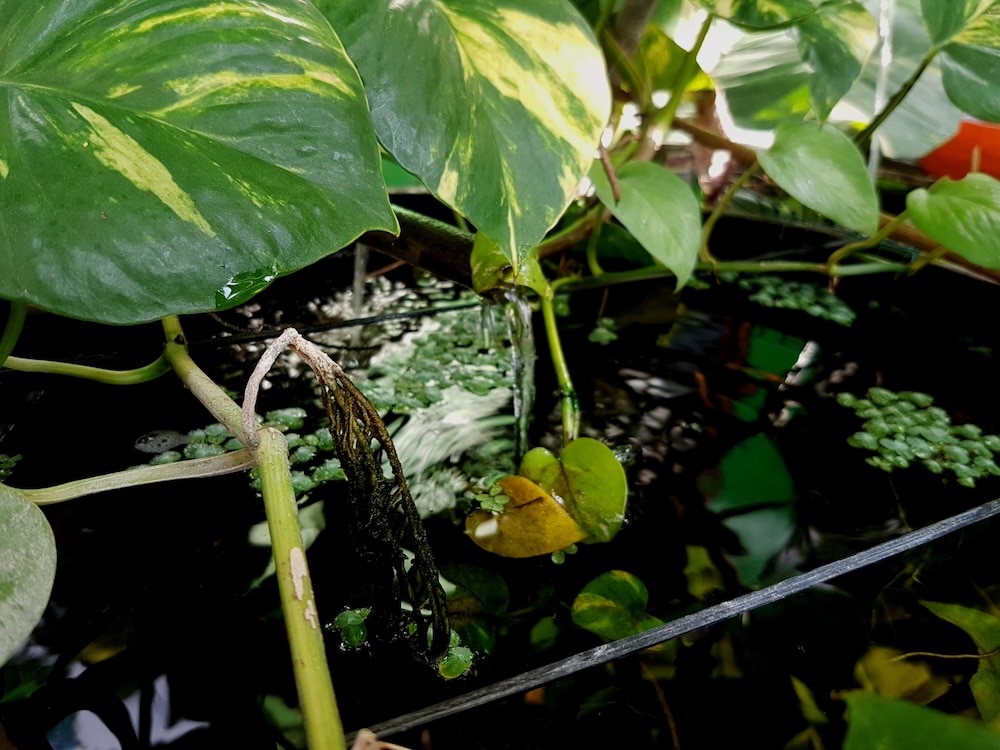
Photo by Kalis Wardoyo/iStock/Getty Images Plus
Adding live plants to your aquarium may be easier than you think.
Hydroponic plants are a great choice for beginners. These plants grow with their roots in the water and leaves above it, making them easy to maintain. Aquarium hobbyists may switch to using emergent plants for the improved aesthetics it adds to a tank, as well as other benefits.
There are several species of plants that grow in aquariums without soil. Always research prior to adding a new plant to your fish tank.
Key Takeaways
- Hydroponic plants grow without soil, with their roots submerged in the water and their leaves growing above water.
- The plants are great at elevating the look of an aquarium, but more importantly, they utilize nutrients from fish waste to grow, thus helping to keep the water clean, reducing algae growth, and improving water quality.
- Once established, these plants can grow at a steady rate and need to be maintained to keep them healthy.
What Are Hydroponic Aquarium Plants?
Hydroponic aquarium plants grow partially submerged in water, utilizing nutrients from the waste your fish produce.
Hydroponic plants are different from submerged and emergent aquatic plants in a few ways:
- Submerged aquatic plants are fully underwater with their roots in substrate. They get their nutrients from the substrate and water.
- Emergent plants typically grow rooted in the aquarium substrate, but grow in the water as well as out of the tank. Note that many aquarium plants sold as aquatics, such as sword plants, are grown as emergents and then convert in an aquarium to a submerged form with softer leaves.
- Hydroponic plants are semi-submerged. The leaves are above water, and the roots are exposed (not in substrate) under the water. They derive nutrients primarily from the water.
Benefits of Growing Hydroponic Plants in Aquariums
In addition to their aesthetic appeal, plants provide various other benefits in home aquariums:
- Natural filtration: Plants can utilize and absorb the nitrates and ammonia produced from fish waste, thereby biologically filtering the water.
- Reduced algae growth: With a reduction of nutrients in the water, the food source for algae is limited, thus limiting its growth.
- Improved water quality: As nutrients are filtered out, water quality is improved.
- Low-maintenance: Emergent plants at the surface are easier to maintain than submerged plants.
- Reduced fish stress: These plants create secure hiding spots and mimic a fish’s natural habitat.
- Aesthetic appeal: Beautiful plants elevate the look of an aquarium and the room the aquarium is in, while helping to improve air quality as well.
Do Hydroponic Aquarium Plants Benefit Fish?
Hydroponic plants and fish form a symbiotic relationship, supporting each other. Waste produced by fish is consumed by the plants, and in return, the fish are left with improved water quality.
The roots of the plants also provide an engaging habitat and source of enrichment for your fish.
Nitrifying bacteria, the biological part of any filter, break down toxic ammonia and nitrite by utilizing oxygen. With plants helping to reduce the load of ammonia and nitrites in the water, the nitrifying bacteria need less oxygen, leaving more oxygen available in the water column.
The improved water quality and lower nutrients also help keep algae at bay, supporting a cleaner tank for your fish.
Best Hydroponic Plants for Aquariums
Beginner-Friendly Plants
Pothos
- Great at filtration
- Ideal for beginners
- Produces a vine
- Only needs a single leaf to get started
- Note: Toxic to household pets
Peace Lily
- Beautiful, elegant white flowers
- The crown and leaves remain out of the water
- Consumes large amounts of nutrients
- Note: Toxic to household pets
Spider Plant
- Base needs to be above the waterline
- Easily started with a “spiderette”
- Resilient and good for beginners
- Easy to propagate
- Good for tanks with limited bioload and lower nutrients
Advanced or Decorative Options
Lucky Bamboo
- Only roots and stems remain in the water
- Needs to be secured in place so it won’t shift around
- Might need fertilizer
- Should be removed if it starts to yellow or develop slime
- Great for minimalist tanks or tanks with limited space
- Slow-growing
Philodendron
- Can be started from a 4- to 6-inch cutting
- Does well in humid conditions
- Good for systems with lots of space
- Lots of variety in leaf shape and color
- Note: Can be toxic to household pets
Monstera
- Great statement piece for a tank
- Thrives in humid conditions
- Needs lots of space
- Established, mature plants may need to be anchored to the tank rim
- Yellowing leaves could be a result of an imbalance in light or nutrients
- Note: Can be toxic to household pets
How To Set Up Hydroponic Plants in Your Aquarium
Step 1 – Choose the Right Plants
Many household plants can be adapted to living as hydroponic aquarium plants, but not all are safe. Do your research to make sure plants are non-toxic for your fish and other household pets.
Step 2 – Position the Plants
To secure your hydroponic plants, you can use baskets with growth media, specially designed clips, plant holders, or an empty chamber of a hang-on back filter.
The roots should be submerged in the water and the leaves should be above the water.
Step 3 – Lighting Requirements
Many emergent plant species need bright indirect light.
If the tank doesn’t get much natural light, a light bulb with a spectrum designed for indoor houseplants mounted at the appropriate height can help.
If the leaves are getting burned, you may need to shift the plants away from direct sunlight or provide shade.
Step 4 – Water Conditions
- Temperature: 72–80 F
- pH: 6.5–7.5 (This is plant- and fish-specific, so make sure all the plants and fish in your aquarium are compatible, and adjust and maintain water quality accordingly.)
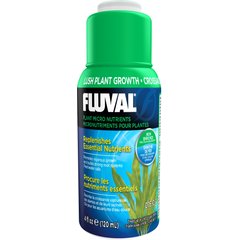
These plants get their nutrients from fish waste. Don’t overfeed your fish, but make sure there are enough nutrients in the tank to support your plant’s needs. In a well-planted tank, most nutrients will be utilized and broken down as they’re produced. Nitrate is the exception, and if your nitrate levels are consistently near zero, then you should provide additional nutrients in the form of an aquarium-safe fertilizer.
Recommended Product
Hydroponic Plant Maintenance and Care Tips
- Trim roots and leaves: Regularly prune plants to shape them, and remove any rotting roots and yellowing leaves.
- Prevent root rot: Water flow around roots will reduce the risk.
- Monitor water quality: Weekly water parameter testing and matching water parameters during water changes is critical for your fish, and will keep your plants from experiencing any rapid changes in water parameters.
Recommended Products
- Cleaning algae buildup: Gently brush or wipe off thick algae buildup.
- Replacing or propagating plants: Each plant’s propagation is unique. Use clean, sterilized tools if cutting a plant, and give plants time to acclimate to their new environment.
Hydroponic aquarium plants can help improve water quality, limit algae growth, reduce fish stress, and improve the aesthetic of an aquarium. Vining hydroponic plants, like a beginner-friendly pothos, are a low-maintenance way to naturally filter your aquarium water.
Many plants can be adapted to living hydroponically, but always research first before adding anything new. If you need assistance, your local aquarium expert can help you choose plants to fit your needs.
FAQs About Hydroponic Aquarium Plants
Can any houseplant grow in an aquarium?
No, not every houseplant is suited to grow in an aquarium.
How fast do hydroponic plants grow in fish tanks?
The speed a hydroponic plant grows depends on the health and species of the plant, as well as the light and nutrient levels. Hydroponic plants often grow faster than potted plants.
Do I need fertilizers?
As long as the fish are properly fed, the plants should not need fertilizers, though adding extra fertilizer is always an option.
Attributions