Cyanobacteria in Aquariums: Causes, Treatment, and Prevention


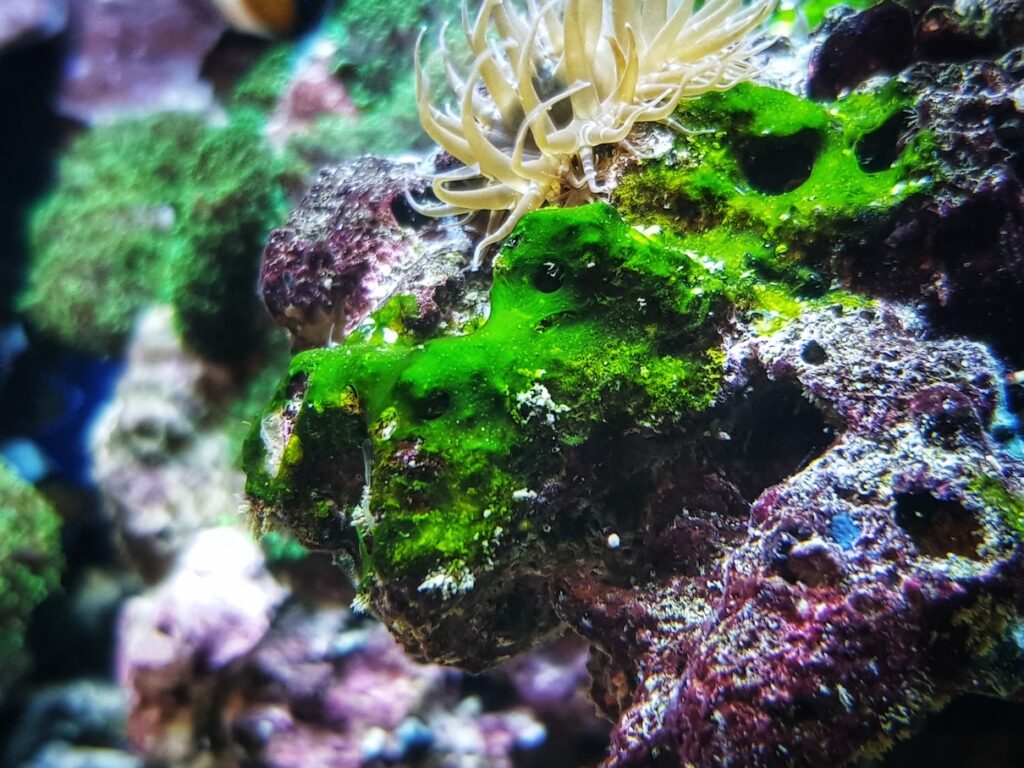
Photo by Adobe/Kolevski.V
Commonly mistaken for algae or other aquatic problems, cyanobacteria are slimy, blue-green, or reddish films that cover aquarium surfaces. While cyanobacteria are naturally present in aquatic environments, blooms usually develop when there’s a nutrient imbalance in your aquarium.
Luckily, managing a cyanobacteria outbreak is pretty straightforward: reduce excess nutrients, increase circulation in low-flow areas, and improve aquarium maintenance.
Key Takeaways
- Cyanobacteria, formerly called blue-green algae (BGA), are a type of bacterial growth frequently caused by an imbalance of nutrients in the aquarium.
- Unlike aquarium algae, which have almost no odor, cyanobacteria have an unpleasant, musty, swampy odor and grow in red, brown, black, blue, or green sheets.
- Cyanobacteria often point to poor water quality and excess nutrients in your tank water. They can stress your fish and plants, and lead to a drop in dissolved oxygen.
- Preventing cyanobacteria starts with regular maintenance, proper water flow, controlled lighting, and avoiding overfeeding.
What Are Cyanobacteria in an Aquarium?
Cyanobacteria in an aquarium are a bacterial slime growth often mistaken for blue-green algae. These photosynthetic bacteria cover multiple surfaces, including:
- Substrate
- Live aquatic plants
- Aquarium glass
- Decor
Unlike true algae, cyanobacteria form slimy sheets that may appear blue-green, green, black, red, or brown and have a distinct earthy or musty odor. They can thrive in saltwater marine tanks or freshwater aquariums.
Quick tip: Although hobbyists often call cyanobacteria “blue-green algae,” it’s actually a type of photosynthetic bacteria.
Why Cyanobacteria Are a Problem
Besides creating an unpleasant smell and environment in your tank, cyanobacteria can cause a whole host of issues for your aquarium.
First and foremost, cyanobacteria can smother plants and blanket tank surfaces. These rapidly spreading mats can reduce dissolved oxygen levels, particularly as they die off.
Together, these problems leave your aquarium looking cloudy and unhealthy.
What Causes Cyanobacteria in a Fish Tank?
The most common causes of cyanobacteria in a fish tank are excess nutrients, low water flow, and improper tank cleaning. However, that doesn’t tell the whole story. Here are 11 frequent reasons cyanobacteria are taking over your fish tank.
- High or low nitrates/phosphates
- Uneaten food
- Fish waste buildup
- Dead spots where detritus gets trapped
- Weak water flow in the tank
- Skipped water changes
- Dirty substrate
- Dirty or clogged filters
- Leaving lights on too long
- Old, dull bulbs
- Too many fish
Are Cyanobacteria Harmful to Fish and Plants?
Cyanobacteria aren’t just a stain on your tank; they can harm your fish or plants and even become toxic.
These slimy bacteria take advantage of a dirty tank, making it worse and stressing out your fish. As cyanobacteria continue to spread, they reduce the oxygen level in the tank.
If your fish start to show signs of distress—shimmying, lethargy, heavy breathing, gasping at the surface—immediately add an airstone or additional circulating pumps or filters to increase surface water movement and begin treating the underlying cause immediately.
Recommended Products
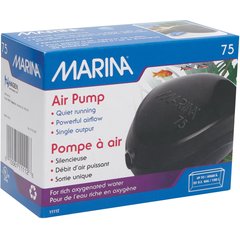
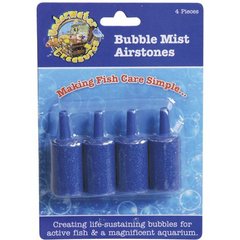
Not only do cyanobacteria distress fish, but their blanketlike structure also blocks light, smothering surfaces and plant leaves.
Lastly, if there’s enough of it in the tank, cyanobacteria can produce cyanotoxins. However, this is more common in ponds or lakes.
How To Identify Cyanobacteria vs. Algae
Cyanobacteria are only one possible issue in an aquarium. Here’s how you can tell it apart from algae and other problems.
| Issue | Color/Appearance | Texture | Removal Difficulty |
|---|---|---|---|
| Cyanobacteria | Blue-green, green, red, brown, or black slime | Slimy sheets | Easy |
| Hair algae | Thin green strands | Fuzzy/stringy | Moderate |
| Diatoms | Brown coating | Dusty | Easy |
| Black beard algae | Dark tufts | Tough/fuzzy | Difficult |
| Bryopsis | Green feather fronds | Fuzzy/stringy, tough | Difficult |
| Dinoflagellates | Brown and slimy | Stringy, slimy mats | Moderate |
How To Remove Cyanobacteria From an Aquarium
Cyanobacteria are best treated by manually removing them, improving water flow, and reducing excess nutrients.
Remove Manually
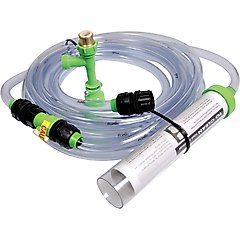
During water changes, slowly and gently remove sheets of slime using an algae scraper, siphon hose, or other aquarium-safe cleaning supplies.
If the cyanobacteria are covering removable decorations, remove them from the tank to clean them separately.
Recommended Products
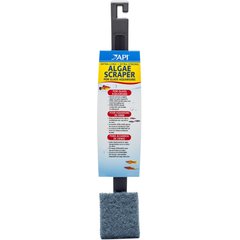
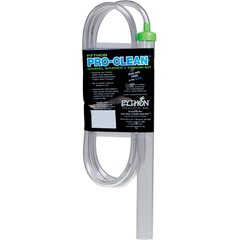


Improve Water Flow and Change the Water
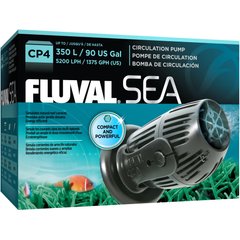
Adjust the output on the return nozzle to target low-flow areas and consider adding a random-flow nozzle to return outputs to create variable currents in the tank.
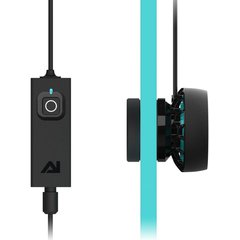
With larger tanks, additional powerheads or wavemakers may be needed to increase flow to areas with dead spots.
Lastly, perform 15–25% water changes as needed while correcting the underlying cause.
Recommended Products
Reduce Excess Nutrients and Evaluate Tank Lighting
First, reduce the amount of food being offered and how often you feed your fish. After every feeding, remove uneaten food from the tank right away.
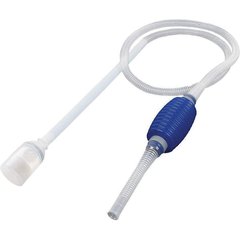
Additionally, fish waste, decaying plant matter, and uneaten food often get trapped in the substrate; vacuuming them out with a siphon is an easy way to remove them. Rinse or replace filter media according to the manufacturer’s recommendations.
Lastly, since cyanobacteria can photosynthesize, keep tank lighting to a minimum. If the tank has live plants, make sure your lighting is an appropriate spectrum, as fast-growing plants with proper lighting will compete with cyanobacteria for nutrients.
Recommended Product
Chemical Treatments
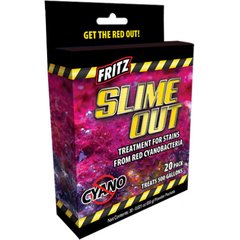
Chemical treatments may help control cyanobacteria when used alongside manual removal and improved maintenance. While antibiotic-based treatment can help to treat an outbreak, it might harm the beneficial bacteria in your aquarium.
You’ll know treatment is working when cyanobacteria stop rapidly returning after removal and water quality begins to stabilize. If you’re able to test dissolved oxygen, you’ll know treatments are working for cyanobacteria and other unwanted bacteria when oxygen is depleted.
Follow the treatment directions, make sure you have good surface water movement, and don’t skip the water changes.
Remember, chemical treatments are only a temporary fix. You need to identify the root cause and address it to achieve permanent results.
Recommended Product
How to Tell if Cyanobacteria Are Dying
As your treatment plan starts working, cyanobacteria should become less noticeable and easier to remove. Instead of forming thick, slimy mats, it may begin to fade in color, break apart, or peel away from surfaces.
Signs your cyanobacteria treatment is working include:
- Slower regrowth after manual removal
- Thinner, smaller patches of cyanobacteria
- Fading color, such as blue-green turning gray or brown
- Mats that detach more easily during water changes
- Clearer water and healthier-looking plants
Keep up with regular maintenance even after the bloom disappears. If excess nutrients, poor water flow, or other underlying issues aren’t corrected, cyanobacteria can quickly return.
How To Prevent Cyanobacteria in an Aquarium
The best way to prevent cyanobacteria in an aquarium is through regular maintenance and stable water conditions. Here’s what you can do:
- Test water weekly
- Change the water, vacuum the substrate, and clean the filter every couple of weeks
- Feed only what your fish can eat within 60 seconds (if food gets to the bottom of the tank, then you fed too much)
- Remove uneaten food
- Add powerheads to improve flow and eliminate dead spots
- Avoid overstocking the tank
- Limit light to six to eight hours daily in tanks without live plants
- Replace old, dim lights
Recommended Products

Cyanobacteria Aquarium FAQs
Are cyanobacteria harmful in a fish tank?
Cyanobacteria can be harmful in a fish tank, especially during severe blooms or treatment, when dissolved oxygen levels may drop.
Are cyanobacteria the same as algae?
Algae and cyanobacteria are not the same, though cyanobacteria are often confused with blue-green algae.
Will cyanobacteria go away on their own?
Not usually. Unless the underlying cause is corrected, cyanobacteria typically return.
How long does it take to remove cyanobacteria?
Once a treatment plan is started, it can take several weeks to fully remove and resolve cyanobacteria.
What kills cyanobacteria fastest?
The fastest way to remove cyanobacteria is to combine manual removal with improved water quality. Siphon out the slime during water changes, reduce excess nutrients, and increase water flow.
Chemical treatments can help with severe blooms but won’t prevent cyanobacteria from returning if the underlying cause isn’t addressed.
Can snails eat cyanobacteria?
Most aquarium snails don’t reliably eat cyanobacteria. Instead of relying on a cleanup crew, remove cyanobacteria manually and improve water quality and circulation to eliminate the bloom.
What are some common mistakes with cyanobacteria?
- Treating cyanobacteria like ordinary algae
- Overusing chemicals
- Ignoring circulation problems
- Overfeeding fish
- Skipping maintenance after treatment
Attributions