Honey Gourami Care Guide: Tank Setup, Diet, Tank Mates, and More


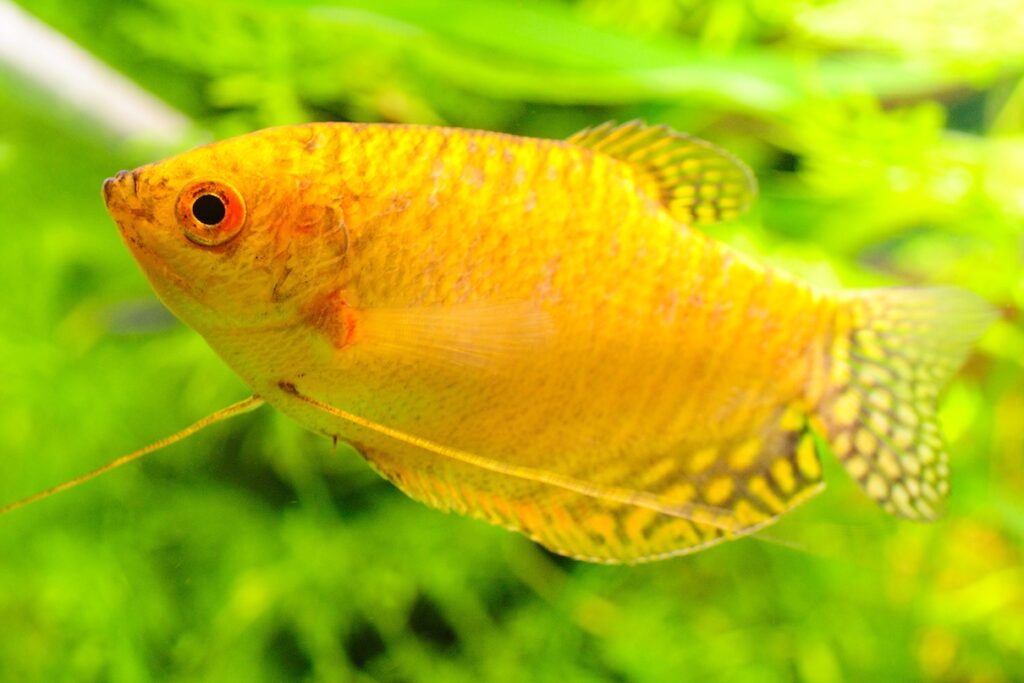
Photo by Adobe/Dmitro
Honey gouramis, or Colisa chuna, are small, colorful, peaceful freshwater fish that are relatively easy to care for, making them a good choice for beginner aquarists.
Key Takeaways
- Honey gouramis are peaceful, beginner-friendly fish that thrive in calm, planted aquariums with stable water conditions.
- Provide plenty of plants, gentle water flow, and a secure lid to keep your honey gourami comfortable and secure.
- Feed a varied omnivorous diet, maintain good water quality, and check your fish daily for signs of illness.
What Are Honey Gouramis?
Honey gouramis are small freshwater fish native to India. Adults typically reach about 2 inches long, making them well suited to smaller, peaceful community aquariums. They are available in several color varieties.
- Wild type: Orange males with a dark chest, particularly during courtship; females are typically duller in color.
- Red/gold: Deep reddish-orange males; females are typically pale orange rather than gray.
- Gold: Bright yellow males and pale-yellow females.
Males are generally more brightly colored than females.
What Size Tank Does a Honey Gourami Need?
In the wild, honey gouramis inhabit heavily vegetated, slow-moving waters that change with the seasons. In an aquarium, providing plants, gentle water movement, and stable water conditions can help mimic their natural habitat.
Here’s how to create a comfortable freshwater aquarium environment for honey gouramis.
Tank Setup
- Minimum tank size: A single honey gourami or small group needs a 5- to 10-gallon tank.
- Tank lid: Use a secure lid to help maintain warm, humid air above the water and prevent fish from jumping. Honey gouramis have a labyrinth organ that allows them to breathe air at the surface.
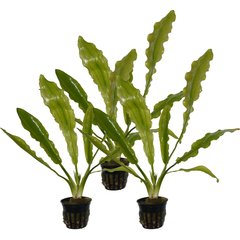
- Live aquarium plants: Aquatic plants mimic the honey gourami’s natural habitat and provide hiding places and cover.
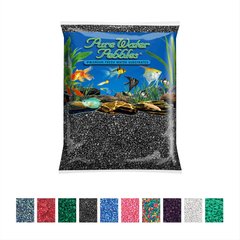
- Substrate: Dark-colored fine gravel or sand can create a natural-looking environment and make the fish’s colors stand out.
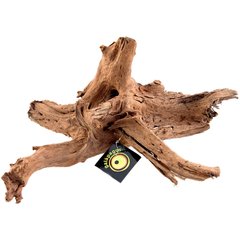
- Aquarium-safe decorations: Driftwood, rocks, and aquarium-safe décor can provide additional cover and visual interest.
- Swimming: Honey gouramis typically swim in the middle and upper areas of the water column. Males may also build bubble nests at the water’s surface (similar to betta fish).
Recommended Products

Water Parameters
Honey gouramis are beginner-friendly fish that can tolerate a range of water conditions, but stability matters more than hitting an exact number.
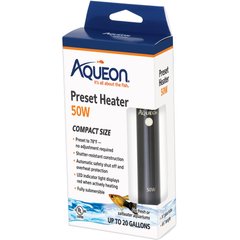
- Temperature: 74–82 F
- pH: 6.0–5
- Hardness level: 4–15 (dGH)
- Nitrate: <40 ppm
- Ammonia: 0 ppm
- Nitrite: 0 ppm
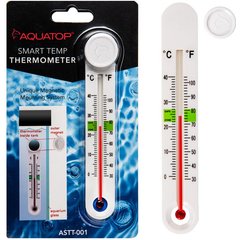
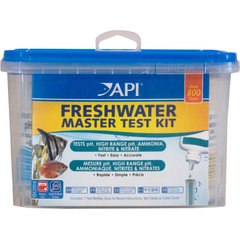
Use an aquarium test kit to monitor water quality and a thermometer to confirm the water stays within the appropriate temperature range.
Recommended Products
Filtration and Oxygenation
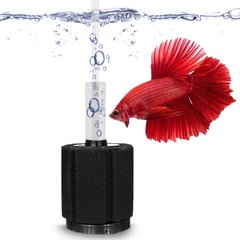
Honey gouramis prefer gentle water movement, so a sponge filter can work well.
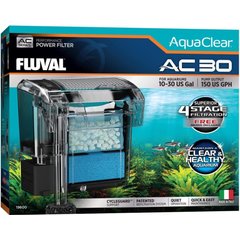
Adjustable hang-on-back (HOB) filters can also work well if you keep the flow gentle. Live plants can also use nutrients from fish waste and contribute to a healthy aquarium environment.
Recommended Products
Cycling and Stocking
Before adding honey gouramis, make sure the aquarium is fully cycled. During the nitrogen cycle, beneficial bacteria become established and process toxic waste compounds:
- Ammonia enters the aquarium from waste and other organic matter.
- Beneficial bacteria convert ammonia into nitrite.
- Other beneficial bacteria convert nitrite into nitrate.
Because honey gouramis can be sensitive to poor water quality, add them only after the aquarium is fully cycled and ammonia and nitrite consistently test at 0 ppm.
Before adding new fish to an established aquarium, quarantine them separately to monitor their health, behavior, and appetite and reduce the risk of introducing disease to the main tank
Maintenance
For a healthy aquarium, follow a regular maintenance schedule.
| Daily Tank Maintenance | Weekly Tank Maintenance | Monthly Tank Maintenance |
|---|---|---|
| Observe swimming, group dynamics, and appearance | Test water parameters | Inspect filter and equipment |
| Feed only what the fish can eat promptly | Perform 10–25% water changes with a gravel vacuum | Gently clean reusable filter media as needed |
| Remove uneaten food | Clean tanks glass, rinse out filters, and remove algae | Replace disposable filter media only when necessary |
What Do Honey Gouramis Eat?
Honey gouramis are omnivores that eat a varied diet. In the wild, they consume small crustaceans, insect larvae, and other tiny invertebrates.
In an aquarium, feed honey gouramis a varied diet of high-quality foods formulated for omnivorous fish. Feed adults once a day and juveniles 2–3 times daily.
- Floating pellets
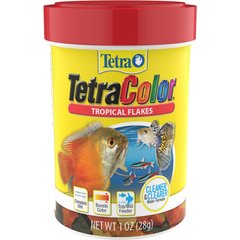
- Color-enhancing flakes
- Frozen food
- Occasional treats like bloodworms
Recommended Products


Best Tank Mates for Honey Gouramis
Honey gouramis are peaceful community fish that generally do well with similarly sized, non-aggressive tank mates. They can be kept individually or in appropriately sized groups. Some possible tankmates include:
- Tetras
- Celestial pearl danios
- Harlequin rasboras
- Chili rasboras
Avoid related but larger species like dwarf gouramis or thick-lip gouramis, as they may be aggressive toward the smaller, more peaceful honey gouramis. Honey gouramis may prey on very small shrimp, so use caution when housing them together.
No matter what species of fish you keep, don’t overcrowd the tank, as that can cause aggression and poor water quality.
Signs of a Healthy Honey Gourami
When choosing a honey gourami, look for a healthy, active fish from a reputable source.
Healthy honey gouramis typically have:
- Clear eyes without swelling or cloudiness
- Intact fins
- A healthy appetite
- Active, normal swimming
- Normal breathing
Keep in mind that many honey gouramis are sold as juveniles and may still have some growing to do.
Common Honey Gourami Health Problems
Observe your honey gourami daily for changes in appearance, appetite, swimming, or behavior that could signal a health problem.
- Ich or white spot disease: May cause small white spots on the body and fins, along with rubbing or scratching against objects.
- Fin rot or damage: Torn, frayed, or deteriorating fins may be associated with injury, aggression, poor water quality, or infection.
- Stress: Poor water quality, inappropriate tank mates, overcrowding, or an unsuitable environment can stress fish and make them more vulnerable to illness.
Help keep your honey gourami healthy by:
- Maintaining stable water quality with regular testing and water changes
- Avoiding overfeeding
- Feeding a varied, high-quality diet
- Checking your fish daily for changes in appearance or behavior
- Quarantining new fish before introducing them to the aquarium
Honey Gouramis FAQs
How big do honey gourami fish get?
Adult honey gouramis grow to about 2 inches long, making them a relatively small freshwater aquarium fish.
Can honey gouramis live alone?
Yes. Honey gouramis can live alone, although they can also be kept with compatible tank mates or in appropriately sized groups.
Are honey gouramis aggressive?
Honey gouramis are generally peaceful and non-aggressive, making them well-suited to community aquariums with similarly sized, peaceful fish.
What size tank does a honey gourami need?
A single honey gourami or small group needs a 5- to 10-gallon tank.
How long do honey gourami fish live?
Honey gouramis typically live about 2–5 years with proper care.
How many honey gouramis should you keep?
Honey gouramis can be kept individually or in groups, but the appropriate number depends on the aquarium size, sex ratio, and other tank inhabitants.
Attributions