Killifish Care Sheet


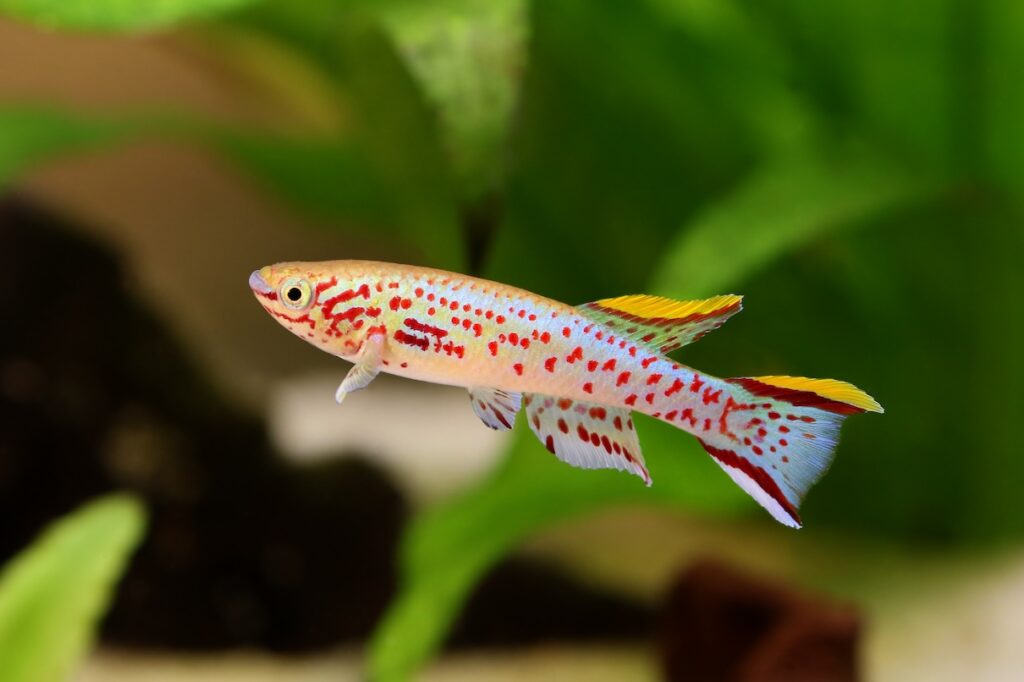
Photo by Adobe/Mirko Rosenau
Many common aquarium killifish are freshwater fish with bright colors and life histories that vary among species. These brightly colored fish, like other species, need the right-sized tank with stable water, a balanced diet of meaty live, frozen, and prepared foods, and eye-catching aquatic landscaping.
There are hundreds of species of killifish from all around the world. This guide covers care basics for common species, but you should get more details from your fish provider.
Key Takeaways
- Killifish are a colorful, diverse group of fish divided into two types based on their lifespan: annual and non-annual.
- These freshwater fish spend most of their time near the surface, swimming among the planted vegetation in their tank.
- Killifish tanks need a lid to prevent them from jumping out, require plenty of space, and also need an aquascape to reduce stress and aggression.
What Are Killifish?
Killifish are small, colorful freshwater fish known for their unique breeding habits and wide range of species. Their name, “killifish”, comes from the Dutch word “kil,” which refers to a creek or stream, and these are the wild habitats where these egg-laying fish are found.
Measuring 1.5–6 inches, these fish have a fairly short lifespan but are a great option for aquarists looking to set up a species-specific biotope aquarium.
Lifespan
Depending on the species, killifish may live about 1–4 years. Annual species often live about a year, while many non-annual species live 2–4 years.
Temperament
While killifish are generally peaceful, males can be aggressive and defend their space, especially with other killifish.
Types of Killifish
There are two main types of killifish: annual species that live in temporary reservoirs and non-annual species that thrive in permanent water.
Annual Killifish
These killifish live out their short lives in temporary pools that eventually dry up. When the season ends, they leave behind their eggs, which will hatch months later when the rainy season returns.
The eggs can survive drying out for extended periods. Annual killifish do require the care of an advanced hobbyist.
Non-Annual Killifish
Non-annual killifish are more commonly found in small freshwater aquariums since they live longer and spend their entire lives in permanent bodies of water. Unlike annual killifish, these need more stable water parameters to thrive.
Popular Killifish Species
No two killifish are alike, and their care reflects that. Here are a few popular species for your freshwater tank:
| Killifish Type | Size | Temperament | Difficulty |
|---|---|---|---|
| Clown Killifish | 1.4 inches | Peaceful | Moderate |
| Gardneri Killifish | 2.5 inches | Peaceful, but territorial | Easy to moderate |
| Blue Gularis Killifish | 5–6 inches | Territorial and moderately aggressive | Moderate to advanced |
| Gold Wonder Killifish | 2.5 inches | Moderately aggressive | Easy |
| Florida Flagfish | 2.5 inches | Moderately aggressive | Easy |
| Chocolate Australe Killifish | 1.5–2 inches | Peaceful | Moderate to advanced |
Killifish Tank Setup
A killifish tank setup should include essential supplies like a secure lid, gentle filtration, and plenty of aquatic plants.
Tank Size and Population
Since most killifish spend their time at the surface, longer tanks are better than taller ones. For your tank’s population, aim for groups with one male per two to three females. The minimum tank size for killifish is 5–10 gallons, but for larger species like the Blue Gularis or for a large school of killis, 20–30 gallons is ideal.
Water Parameters
- Temperature: 65–78 F (generally 70–78 F)
- pH: 6.0–8.0, as there are large variations among species (generally 6.0–7.5)
- dGH/Hardness: Soft to medium (~4–10)
- Ammonia: 0
- Nitrite: 0
- Nitrate: less than 40 ppm
Tank Environment
- Plants: Greenery at the top and middle of the tank helps create an ideal habitat for filtration and reduces stress, while providing hiding places for young killifish.
Recommended Products

- Driftwood: Use pieces to help mimic tree roots and organic woody debris naturally found in creek beds.
Recommended Products


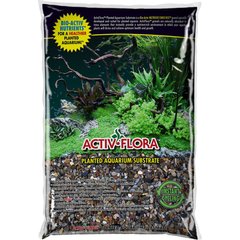
- Substrate: Dark-colored sand, fine gravel, and or leaf litter will help mimic their natural habitats.
Recommended Products
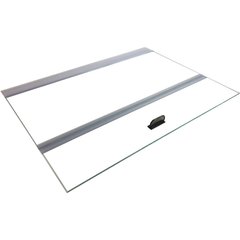
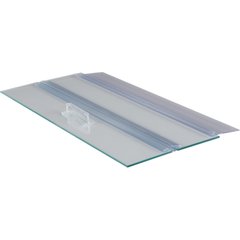
- High-quality lid: Secure-fitting lids and lid clips are a must—killifish are notorious jumpers.
Recommended Products
Filtration
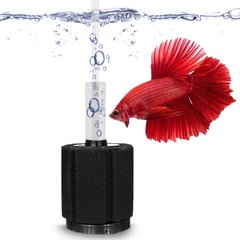
Killifish require low, gentle flow. Sponge filters, box filters, or low-flow-rate internal canister filters are great options for filtration and oxygenation.
Recommended Products


Killifish Diet and Feeding
Killifish are voracious eaters that have special upturned mouths to let them eat above the water’s surface. Feed them once or twice a day with a diet consisting of flakes, floating pellets, live, or frozen foods to keep them healthy. While most killifish are carnivorous, some species, such as Florida flagfish, are algae eaters.
Here’s what killifish should eat:
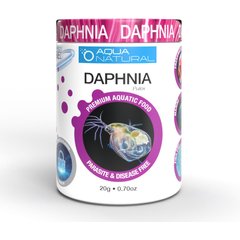
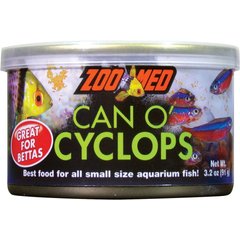
- Small invertebrates such as daphnia, mosquito larvae, bloodworms, and brine shrimp
Recommended Products


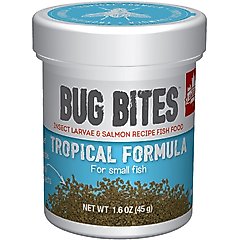
- Mini pellets
Recommended Product
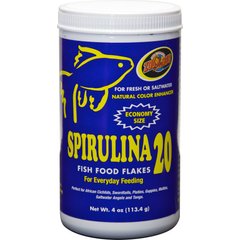
- Flakes
Recommended Products

Killifish Feeding Schedule
Killifish should be fed small amounts of food once or twice per day. After feeding your fish, clean out uneaten food waste from their tank.
Common Mistakes When Feeding Killifish
No aquarist is perfect. When feeding your killifish, avoid these two common mistakes: feeding them only one type of food and feeding them too much.
Although killifish are surface feeders, they should be offered a variety of dry, live, and frozen foods. Additionally, offering too much food or failing to clean it up can lead to poor water quality and harm their health.
Compatibility and Tank Mates
Although some killifish are considered peaceful and can get along well with other fish, they are often best kept in species-only tanks with plenty of plant cover.
If you’re set on creating a communal tank, make sure to pair killifish with other similar species. They get along well with fish that live in the middle and bottom of the tank, including these species:
- Small, peaceful tetras that prefer soft water
- Corydoras catfish
- Kuhli loaches
Fish Species to Avoid
Sometimes, killifish can get territorial. In a combined tank, avoid aggressive fish, larger, faster species that could outcompete killifish for food, fin nippers, and small shrimp.
Killifish FAQs
Are killifish easy to care for?
Once you properly set up their tank, killifish can be easy to care for. However, their exact care depends on the specific species.
How long do killifish live?
Annual killifish have short lives (about a year in aquariums), while non-annual killifish can live 1–3 years.
What do killifish eat?
Most killifish are primarily carnivorous and consume a variety of micro pellets, flakes, frozen foods, and live foods, while some species also feed on algae.
How do killifish reproduce?
Both annual and non-annual killifish lay eggs, but their methods differ slightly. Short-lived annual killifish lay their eggs in sandy substrate, while longer-lasting non-annual killifish lay theirs on plants, substrate, or driftwood.
Can killifish live in community tanks?
Some species of killifish can live in community tanks, but not all will get along well with others.
Do killifish need a lid on their tank?
Secure-fitting lids are necessary for anyone keeping killifish, since they’re famous for jumping out of their tanks.
What are common mistakes to avoid with killifish?
- Lack of research
- Improper tank setup, especially incompatible aquascaping
- Lack of a tank lid, or a loosely fitting lid with no clips
Attributions