12 Most Colorful Freshwater Aquarium Fish


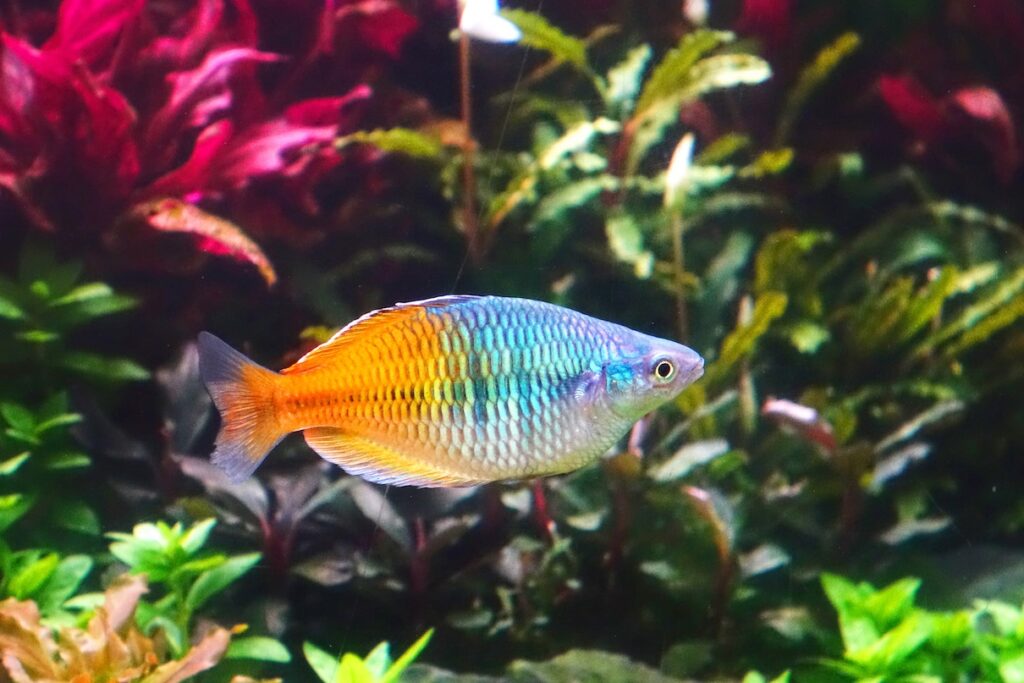
Photo by Adobe/Cheattha
If you want to add a pop of color to your freshwater aquarium, there’s no shortage of vibrant fish to choose from. Some of the most popular species include guppies, gouramis, tetras, cichlids, and discus fish. Their bright colors can depend on their diet, genes, mood, sex, and environmental conditions.
Like humans, no rainbow-hued fish is the same. While some are better suited as the star of a centerpiece tank, others thrive in a planted or community tank. Below are 12 colorful fish sure to brighten your aquarium, plus quick, easy tips to keep their colors beautiful.
Key Takeaways
- Many colorful freshwater fish are perfect for aquariums, including tetras, discus fish, cichlids, guppies, and livebearers.
- Each colorful fish species varies in size, diet, and the level of experience required for high-quality care.
- The color of freshwater aquarium fish depends on many factors, such as genetics, diet, water quality, breeding, and environment.
What Makes Freshwater Fish So Colorful?
Like their saltwater fish brethren, freshwater aquarium fish are colorful because of specialized skin cells called chromatophores. These chromatophores contain pigments and structural reflectors that help a fish’s skin produce a wide variety of colors.
The exact color of freshwater fish is influenced by:
- Genetics
- Diet and health
- Environmental factors, including pH and temperature
- Water quality
- Age
- Sex hormones
But not all fish of a species are colorful, and sometimes one sex will be more brightly colored than the other. Guppies are a shining example of this phenomenon.
The Most Colorful Freshwater Aquarium Fish
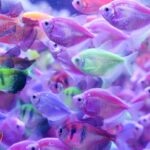
GloFish
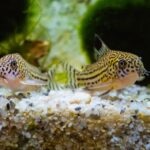
GloFish are not a single species, but a group of species genetically modified to produce pigments originally found in marine jellyfish and corals. They are born this way, not dyed or injected. Species of GloFish include zebra danios, white skirt tetras, pristella tetras, tiger barbs, cory catfish, rainbow sharks, angelfish, and pearl gouramis.
- Adult size: 5–2.5 inches for danios and tetras, up to 6 inches for sharks
- Temperament: Same as their normal-colored counterparts; mostly peaceful, while barbs, angels, and sharks may be nippy
- Minimum tank size: Varies by species; 10 gallons and up
- Beginner-friendly: Yes, although bigger species need bigger tanks
- Common color(s): Red, green, blue, orange, pink, purple, and yellow
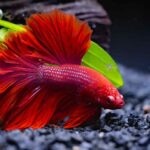
Betta Fish
Also called the Siamese fighting fish, these flowing, finned fish are great for beginners and are unique in that male bettas build a nest on the water’s surface from mucus and bubbles where the eggs are suspended after spawning.
- Adult size: 2.5–3 inches
- Temperament: Male betta fish are territorial and aggressive to other male betta fish or long-finned tankmates
- Minimum tank size: 5 gallons minimum, but larger tanks are more stable
- Beginner-friendly: Yes, with proper water quality
- Common color(s): Solid blue, green, red, and multicolor koi varieties
Discus Fish
Discus fish are the stars of their aquariums. Their shape and bright colors are sure to draw any aquarist’s eyes. Babies will stick around their parents and consume a special mucus the parents produce, like that of nursing mammals.
- Adult size: 6–8 inches
- Temperament: Peaceful but shy; does well with compatible pairs, but larger groups need a lot of room.
- Minimum tank size: 55 gallons or more
- Beginner-friendly: No, discus are advanced fish
- Common color(s): Solid red, powder blue, white, leopard-spotted, or snakeskin-patterned
Guppies
The beautiful tails and colors of guppies make them a great choice for both beginners and more experienced hobbyists. Only the male guppies show bright color, with the females being mostly gray.
- Adult size: 1.2–2.5 inches
- Temperament: Peaceful and social
- Minimum tank size: 10 gallons, but the population can quickly outgrow it (male-only tanks will eliminate this issue)
- Beginner-friendly: Yes
- Common color(s): Hundreds of varieties, with colors including every hue of blue, green, red, yellow, and orange, often combined on the same fish with patterns including snakeskin, mosaic, and cobra
German Blue Ram
A breeding pair of these colorful fish shows off a fascinating parental display in the fish world: both the male and female care for the eggs.
- Adult size: 2–3 inches
- Temperament: Peaceful, but will defend a cave or other hiding spot
- Minimum tank size: 20 gallons
- Beginner-friendly: No
- Common color(s): Bright blue and yellow (wild-type rams), solid cobalt “electric blue,” gold, and black
Peacock Cichlids
This group of cichlids is very active and social, brightly colored, and fun to watch. Females are very drab, but they do best in mixed-sex tanks. Males are much brighter when courting females.
- Adult size: 4–7 inches
- Temperament: Semi-aggressive. Males are territorial but usually more bluff than bite.
- Minimum tank size: 55–75 gallons or larger
- Beginner-friendly: Yes, with a large enough tank
- Common color(s): Sunshine (bright yellow), dragon blood (red), OB (orange-blotched), ruby reds, and regals (bright blue)
Mbuna Cichlids
Mbuna cichlids from Lake Malawi are also active fish with highly developed social structures. Their color varies with their position in the social hierarchy; dominant fish are the most brightly colored.
- Adult size: 4–6 inches
- Temperament: Very aggressive and territorial
- Minimum tank size: 55 gallons
- Beginner-friendly: Yes, with enough space and diligent care
- Common color(s): Yellow labs (bright lemon yellow), electric blue johannii (bright blue stripes on a dark blue body), and cherry red zebras
Neon Tetras
When kept in large groups, these beginner-friendly small freshwater fish will swim together in a beautiful school. Place tetras in a planted tank, so their bright blue scales really stand out.
- Adult size: 1–1.5 inches
- Temperament: Peaceful and does best in schools of at least six
- Minimum tank size: 10–15 gallons
- Beginner-friendly: Yes, but they are sensitive to water quality
- Common color(s): Bright blue mid-body stripe and a red stripe below that
Rainbowfish
Much like their name suggests, a rainbow fish’s scales change color right before your eyes as they’re swimming around. From New Guinea and Australia, there are dozens of species. Males are much brighter than females, and they flash a bright stripe on their head when they’re courting.
- Adult size: 3–5 inches
- Temperament: Peaceful and active
- Minimum tank size: 30 gallons (10–20 gallons for dwarf species)
- Beginner-friendly: Yes
- Common color(s): Boesmani (blue and orange), turquoise, New Guinea reds, and yellow rainbows.
Gouramis
Gouramis are a group of fish related to bettas that can also breathe air. Dwarf gouramis are the brightest and also easiest to keep. Pink kissers and giant gouramis require a lot of room, with standard blue, gold, and pearl gouramis being intermediate.
- Adult size: 2–4 inches (dwarf), 5–6 inches (average), 20 inches (giant)
- Temperament: Variable, depending on species
- Minimum tank size: Dwarf gouramis 10–20 gallons, 30 gallons + for most species, 75 gallons + for giant gouramis
- Beginner-friendly: Yes
- Common color(s): Gold honey, red and blue striped, solid blue, and solid red (dwarf gouramis); blue, gold, opaline, platinum, pearl, and moonlight (average gouramis); and pink for giant gouramis
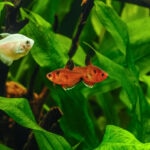
Endler’s Livebearers
Like guppies, Endler’s livebearers are small and beginner-friendly pet fish. Since this species is a livebearer, fry will frequently spawn, filling your freshwater tank with all life stages of colorful, active fish.
- Adult size: 1–1.5 inches
- Temperament: Peaceful and active
- Difficulty level: Easy
- Minimum tank size: 10 gallons
- Beginner-friendly: Yes
- Common color(s): Green, red, and black markings on their body (wild-type Endler’s); blue, red, yellow, orange, black, white, purple, and combinations of all these
Peacock Gudgeons
These brightly colored little fish are small but have big personalities. They tend to flit around the bottom, bringing a splash to the lower part of the tank.
- Adult size: 2.5–3 inches
- Temperament: Peaceful, but territorial around their cave or hiding spot
- Minimum tank size: 10 gallons
- Beginner-friendly: Yes
- Common color(s): Barred pattern in bright blue and red, with yellow fin-edges
How To Keep Freshwater Fish Colors Vibrant
While a fish’s biology does a lot of the heavy lifting to keep them colorful, a proper diet, clean water, and low stress levels help brighten up their scales even more.
Diet
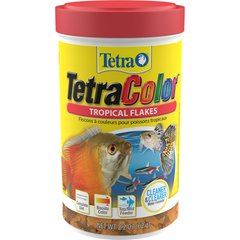
What your fish eats affects their overall health and helps maintain vibrant colors. Knowing your fish’s nutritional needs will help you identify what their diet should consist of.
Whether your fish are omnivores, carnivores, herbivores, or insectivores, always choose high-quality foods to ensure they get the best nutrition. Many diets include carotenoids to help keep your fish bright.
Recommended Products

Water Quality
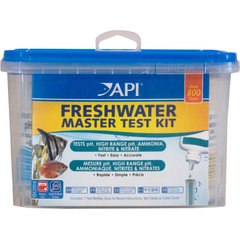
Poor water quality can stress a fish, causing its color to fade. Make sure to test and maintain stable water parameters, and remove waste from the tank with regular water changes.
Recommended Products


Lighting
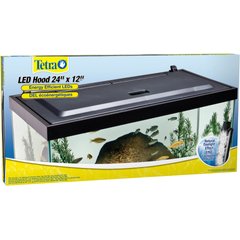
Good lighting mounted at the proper distance above the tank will enhance their colors.
Recommended Product
Stress Reduction
When fish are distressed, their colors and patterns can fade or change. Reduce their stress by making sure they have:
- Tankmates with similar temperaments
- The correct size tank and freshwater setup
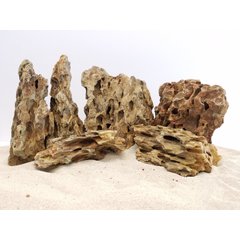
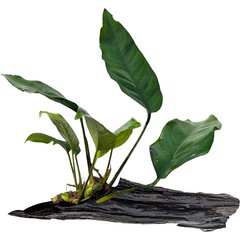
- Plenty of hiding places, decorations, or plants to fill the tank that create visual barriers.
Recommended Products

FAQs About Colorful Freshwater Fish
What is the most colorful freshwater aquarium fish?
Some of the most colorful freshwater fish include tetras, guppies, discus fish, gouramis, cichlids, and rainbowfish.
Are colorful freshwater fish harder to care for?
There are numerous colorful freshwater fish, and the care for each species can vary, ranging from beginner to expert. This is why it is always important to do your research before you buy.
Can colorful fish live together in one tank?
Colorful fish can live together in a community tank if the tank is big enough and they’re compatible.
Does fish food affect coloration?
Fish food can affect fish coloration. Make sure your fish are fed a high-quality, color-enhancing diet to make them shine bright.
Attributions