7 Best Catfish for Aquariums


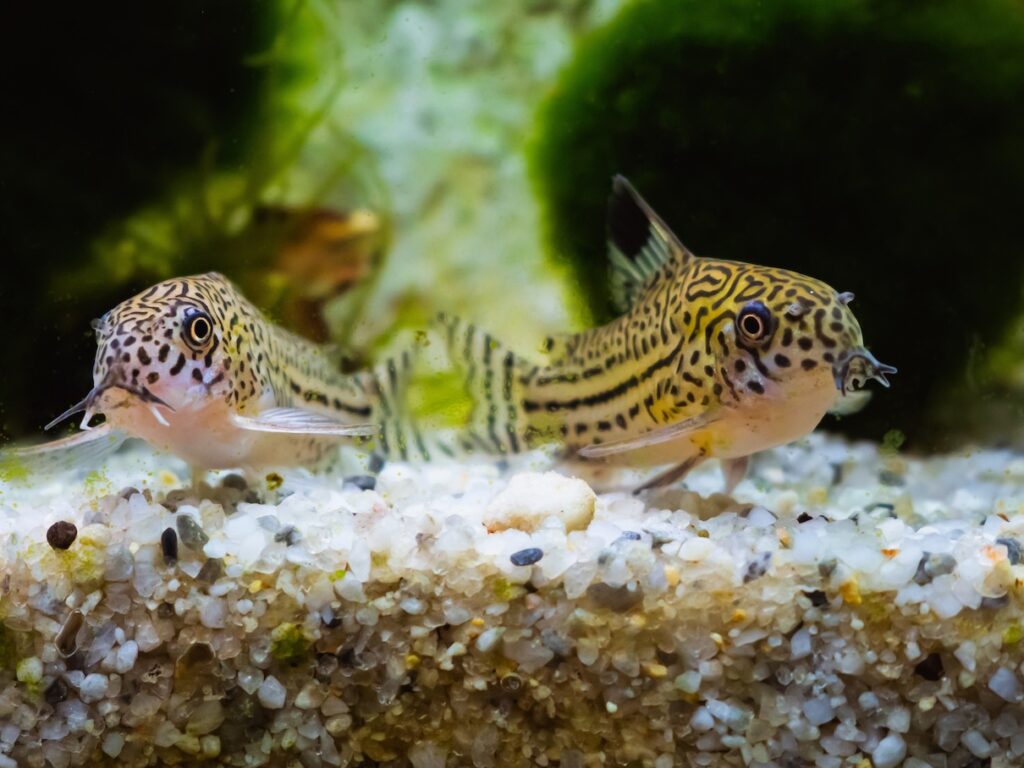
Photo by Adobe/Dimitrius
Catfish are freshwater fish known for their whisker-like barbels and bottom-dwelling behavior. The best catfish for aquariums include beginner-friendly, smaller, and gentle species like Corydoras (Corys), Bristlenose Plecos, and Otocinclus (Otos).
When choosing a catfish, consider its adult size, care, tankmates, available space, and aquatic landscaping.
Key Takeaways
- The best catfish for aquariums include beginner-friendly species like Corydoras, Bristlenose Plecos, and Otocinclus, which stay relatively small and are peaceful.
- Most aquarium catfish are bottom dwellers that help consume leftover food, but they still require proper feeding and regular tank maintenance.
- Always choose catfish based on their adult size, temperament, and compatibility with other fish in your tank.
- A proper catfish setup includes a spacious tank, smooth substrate, strong filtration, and plenty of hiding places like caves, plants, and driftwood.
Why Catfish Are Popular Aquarium Fish
Catfish are popular aquarium fish for beginners because they’re often peaceful, hardy, and perfect for a single-species or community freshwater tank.
- As bottom-dwellers, catfish fill an often underutilized and sparse area of your tank.
- There’s no limit to the types of catfish to choose from, each with its own unique personality, shape, and behavior.
- Many catfish provide ecosystem services by cleaning up leftover food and consuming algae.
- Catfish come in a variety of sizes, making these fish a good option for freshwater aquariums of all sizes.
7 Best Types of Catfish for Freshwater Aquariums
Not all catfish species are ideal for a freshwater tank. However, these seven peaceful, beginner-friendly species will be right at home in an individual or community tank.
1. Corydoras Catfish
- Adult size: 1–3 inches
- Temperament: Peaceful
- Difficulty level: Beginner
- Minimum tank size: 10–20 gallons
- Best tank setup: Planted tanks with smooth gravel or sand
- Special care notes: Handle Corydoras catfish with care since their fin spines can be sharp and contain mild venom. Cory cats are social and should be kept in groups of at least six.
2. Bristlenose Pleco
- Adult size: 4–6 inches
- Temperament: Peaceful
- Difficulty level: Beginner
- Minimum tank size: 20 gallons
- Best tank setup: Plenty of hiding spaces with caves and driftwood
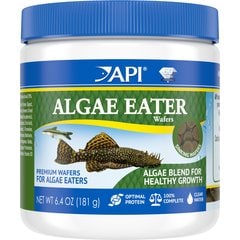
- Special care notes: Bristlenose Plecos are effective algae eaters and a perfect, smaller alternative to common plecos. They should be fed algae wafers as they are unlikely to get enough to eat from algae in the tank.
3. Otocinclus Catfish
- Adult size: 1.5–2 inches
- Temperament: Peaceful
- Difficulty level: Beginner to intermediate
- Minimum tank size: 10 gallons
- Best tank setup: Slow-growing planted tanks with organic matter, caves, and driftwood
- Special care notes: Wait until the tank is fully cycled and established before adding Otos; they need plenty of algae and biofilm, along with stable water parameters. Like Bristlenose Plecos, Otos should be fed algae wafers.
4. Pictus Catfish
- Adult size: 5–6 inches
- Temperament: Peaceful
- Difficulty level: Beginner to intermediate
- Minimum tank size: 55 gallons normally, but 120 gallons or more for groups
- Best tank setup: Well-flowing, highly oxygenated tank with plenty of caves and driftwood
- Special care notes: These catfish do well in groups of their own species, but, as active swimmers, they need ample space and require larger tanks. While not aggressive, pictus cats are they are predatory. Any fish that fits in their mouth will end up there, so avoid keeping them with smaller freshwater fish.
5. Synodontis Catfish
- Adult size: 3–20 inches
- Temperament: Peaceful to semi-aggressive
- Difficulty level: Beginner to intermediate
- Minimum tank size(s): 20 gallons (small species); 75 gallons or more (schooling groups); 100 gallons (large species)
- Best tank setup: Tank with smooth sand or gravel, driftwood, caves, and moderate flow
- Special care notes: These nocturnal species produce substantial waste and require adequate filtration. Some Synodontis species also swim upside-down.
6. Glass Catfish
- Adult size: 2.5–4 inches
- Temperament: Shy, peaceful
- Difficulty level: Beginner to intermediate
- Minimum tank size: 30 gallons
- Best tank setup: Planted tank with moderate flow
- Special care notes: Glass catfish prefer shaded areas and need stable water parameters. Their transparent bodies make them a unique kind of fish that stands out, and they do best with other glass catfish as their tankmates.
7. Raphael Catfish
- Adult size: 4–5 inches
- Temperament: Peaceful bottom dwellers
- Difficulty level: Beginner to intermediate
- Minimum tank size: 20 gallons long
- Best tank setup: Tank with smooth sand or gravel, driftwood, caves
- Special care notes: Spotted and striped Raphael catfish are commonly available. They are mid-sized catfish, peaceful yet heavily armored, and able to live with more aggressive tankmates. They are not aggressive but may prey on small tetras at night.
What Do Catfish Need in a Tank Setup?
Most aquarium catfish need hiding places, clean water, and enough floor space to thrive. When setting up your freshwater tank for catfish, here’s what you need:
Properly Sized Tank
When selecting a tank, purchase one that will suit their adult size and temperament. Most catfish are bottom dwellers, so aim for a tank that is longer than it is tall to give them more space.
Most fish are sold as juveniles and can quickly outgrow their tank as they get older. When it comes to fish tanks, bigger is often better.
Smooth Substrate
Catfish use their barbels to sense and search for food in their surroundings. This is made easier by a smoother substrate, such as sand.
Smooth gravel is another option that will help prevent them from damaging their barbs.
Recommended Products
Hiding Places
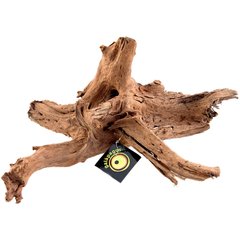
- Driftwood: This tank decoration provides multiple hiding spaces and reduces the light reaching the bottom of the tank.
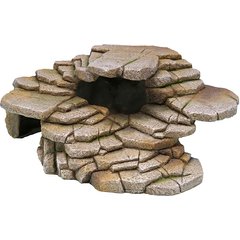
- Caves: As most catfish species are nocturnal, caves are great places to help them feel safe and stress-free.
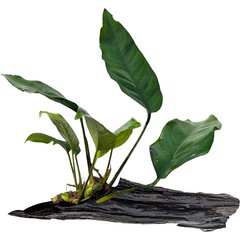
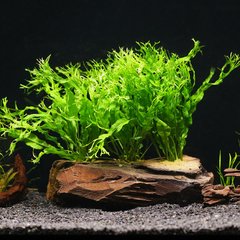
- Plants: Live aquarium plants like Anubias, Java Fern, Buce, and Java Moss are great options that work well with driftwood.
Recommended Products
Filtration and Oxygenation
Instead of sleeping, many catfish are active at night. Make sure you have good surface water movement to facilitate oxygen exchange at all times.
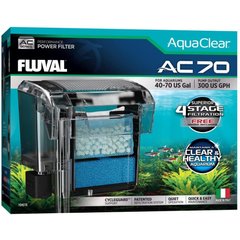
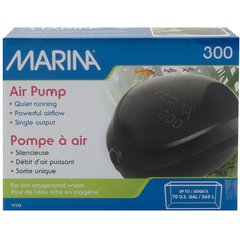
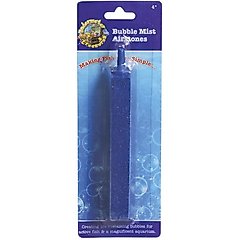
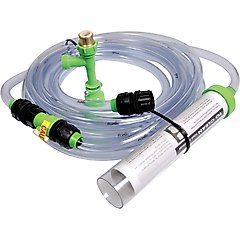
Hang-on-back filters are ideal, and air pump-driven air stones can also facilitate this. Additionally, catfish are voracious and messy eaters, so performing regular water changes with a gravel vacuum is necessary.
Recommended Products
Aquarium Catfish FAQs
What is the best catfish for a beginner aquarium?
Corydoras and Bristlenose Plecos are some of the best catfish for a beginner’s aquarium.
Are catfish good for community tanks?
Yes, many catfish are good for community tanks. Make sure they have enough space and compatible tankmates.
Do aquarium catfish clean the tank?
Catfish will eat algae, but they can also produce a lot of waste and are not a substitute for regular maintenance and water changes.
What size tank do catfish need?
Catfish vary greatly in their adult size, so their tanks do too. On average, catfish need a minimum of 20 gallons, but some species need as much as 120 gallons.
Can different catfish species live together?
Yes, different species of catfish can live together, depending on the tank size and the species involved. An ideal combo of catfish is Corydoras and Otocinclus.
Are there catfish species to avoid?
Yes, there are thousands of catfish species, and many are unsuitable for most aquariums. Some commonly sold species that should be left to experts include:
- Redtail catfish and tiger shovelnose cats. These reach three to five feet in length and are voracious predators. They need huge aquariums or indoor ponds.
- Iridescent sharks. Cute when small, but they’re schooling fish that get two feet long.
- Common plecos. They are 18 inches or longer as adults and not effective algae eaters; instead, the standard bushynose pleco is a much better option.
- Channel catfish. Another huge species that’s best suited for ponds.
What are some common mistakes with aquarium catfish?
Caring for catfish is about more than sprinkling some food in and cleaning the tank. Here are some frequent pitfalls to avoid in your catfish aquarium.
- Buying catfish that outgrow the tank as they reach adulthood
- Keeping schooling species alone
- Using a rough substrate that can damage a catfish’s sensitive barbs
- Overcrowding the tank, especially at the bottom
- Using catfish as algae cleaners instead of diligently cleaning and maintaining your tank
Can catfish live on algae, leftover food, and fish waste alone?
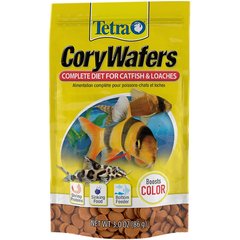
Catfish are good at eating leftover food, but they will starve if that’s all they get to eat. They should be target fed with sinking pellets. They do not eat fish waste. Instead, they contribute more waste to the tank.
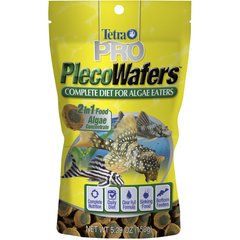
Algae-eating species are good at what they do, so they quickly run out of algae to eat. Add algae wafers designed for plecos and similar fish to their diet.
Recommended Products
Attributions