What’s the Best Water for a Fish Tank?


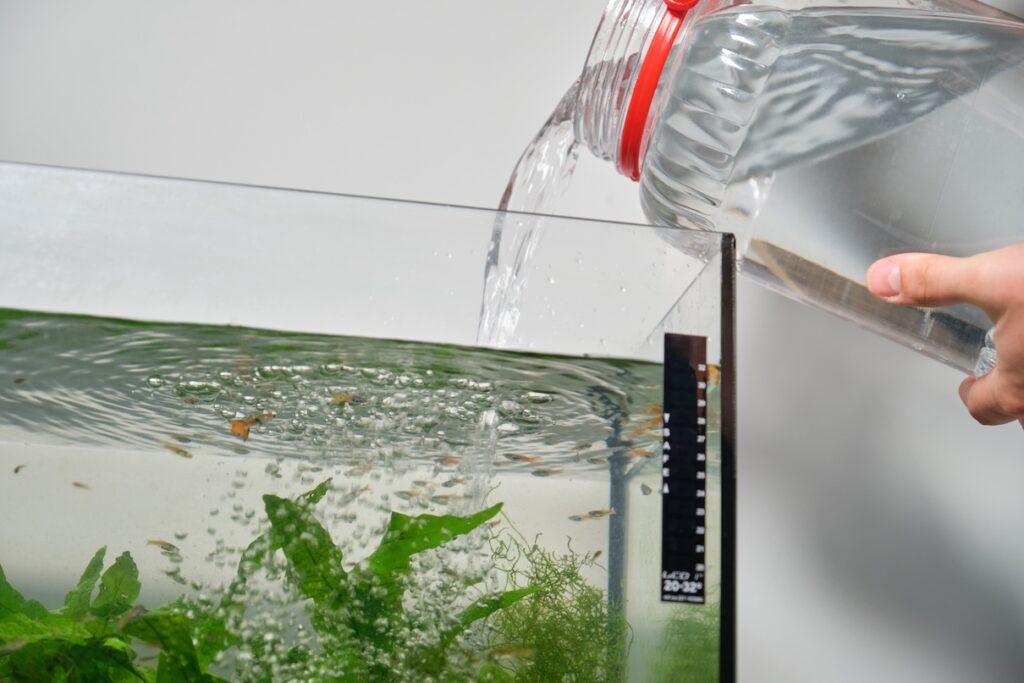
Photo by Ladanifer via Getty Images
Choosing the best water for a fish tank isn’t as simple as using tap water or grabbing a gallon jug from the store. Different water sources have different properties, and the right choice depends on your fish species, tank setup, and how much control you want over the water chemistry.
Here’s how to navigate the options and choose the right water to keep your aquarium healthy.
Key Takeaways
- Properly conditioned tap water is a convenient, cost-effective choice for many freshwater aquariums.
- Bottled water isn’t automatically safer than tap water and should always be tested before use.
- Distilled, RO, and RO/DI water must be remineralized for freshwater tanks or combined with an aquarium marine salt mix for saltwater tanks.
- No matter the source, prepare and test the water to confirm it meets your fish’s needs.
Best Water for a Fish Tank: At a Glance
There’s no one-size-fits-all answer for the best water for an aquarium, as it depends on your fish and setup. Here’s a quick look at the main options:
- Tap water: Properly treated tap water suits many freshwater tanks. It’s often the most convenient and cost-effective choice.
- Spring water: It may work when tap water isn’t suitable, but its mineral content and other parameters vary by source and brand.
- Purified water: This includes distilled, reverse osmosis (RO), and reverse osmosis/deionized (RO/DI) water. These options contain few or no minerals and must be remineralized for freshwater tanks or combined with marine salt for saltwater tanks.
- Water for saltwater tanks: Aquarists commonly combine RO or RO/DI water with an aquarium marine salt mix.
What Kind of Water Do Fish Need?
There are many types of water to choose from when filling your fish tank. Here’s the best water for the most common freshwater and saltwater fish in home aquariums.
Freshwater Fish
Many freshwater fish do well in properly conditioned tap water, but their ideal water chemistry varies by species. Some prefer softer water, while others need harder water with more dissolved minerals. Their ideal pH can also range from acidic to alkaline.
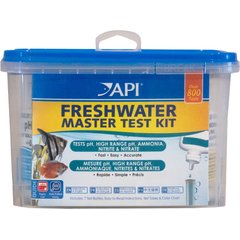
Use an aquarium water test kit to check your tap water’s parameters, including pH, general hardness (GH), carbonate hardness (KH), and nitrate and nitrite levels. Based on the results, you can choose fish well-suited to your water, or prepare the water for the types of fish you’d like to welcome.
Saltwater Fish
Saltwater fish need water with the right salinity and mineral balance. Many aquarists start with purified water—usually RO or RO/DI water—and add a marine salt mix made for saltwater aquariums.
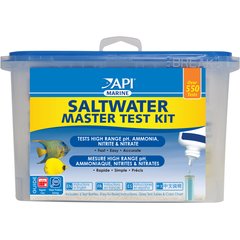
Before adding the finished saltwater to the tank, test its salinity, temperature, and pH. If you have corals, also test alkalinity, calcium, and magnesium.
Recommended Products
Popular Aquarium Fish
Now, let’s take a look at which type of water generally works best for some popular aquarium fish:
- Betta fish: Properly conditioned tap water is often best. If your tap water isn’t suitable, you can use tested spring water instead.
- Goldfish: Properly conditioned tap water generally works well. Very soft tap water may need an aquarium remineralizer. Tested spring water may also be suitable.
- Guppies: Conditioned tap water often works well for guppies, who tend to thrive in harder, mineral-rich water. Very soft water may need an aquarium remineralizer.
- Tetras: Conditioned tap water generally works well, as long as it’s on the softer side. If the tap water is too hard, you can blend it with RO water to lower the hardness.
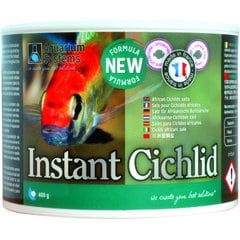
- Cichlids: Conditioned tap water can suit many African cichlids if it’s naturally hard and alkaline. If needed, a cichlid salt can add minerals and help create the water conditions these fish need.
- Clownfish: For these saltwater fish, RO or RO/DI water with an appropriate marine salt mix is commonly used.
Recommended Product
What Makes Water Safe for Aquarium Fish?
For aquarium water to be safe, its chemical makeup and temperature must meet your fish’s needs and remain stable over time.
Test newly prepared water before adding it to the tank, especially if you adjusted its mineral content. In an established aquarium, test the tank water at least once a month and before routine equipment cleaning. Test more often if the aquarium is new, the fish show unusual behavior, or previous readings were abnormal.
Here are the main parameters to monitor using an aquarium water test kit and thermometer:
- Chlorine
- Chloramine
- pH
- Water hardness (GH/KH)
- Ammonia
- Nitrite
- Nitrate
- Temperature
Can You Use Tap Water for a Fish Tank?
Yes, you can use tap water for many fish tanks, particularly freshwater aquariums. However, you must test it to confirm the parameters suit your fish, and it may need treatment with an aquarium water conditioner before use.
What about well water? While it doesn’t contain chlorine or chloramine, its pH, hardness, mineral content, and levels of other contaminants can vary. Test your well water before using it to determine whether it’s safe for the species you plan to have or needs treatment first.
Can You Use Bottled Water for a Fish Tank?
You might assume bottled water is a safer bet for your fish tank, but not necessarily. Depending on its mineral content and how it was processed, you may need to remineralize or otherwise prepare bottled water before use.
The three most common labels you’ll see on bottled water are:
Spring Water
Spring water contains naturally occurring minerals, but the amounts vary by brand. It may work for some freshwater fish if its pH, GH, and KH fall within a suitable range. Always test it with an aquarium water test kit before use.
Purified Water
“Purified water” is a broad label for water treated to remove impurities, often through reverse osmosis, distillation, or deionization. Depending on the brand, this type of water can work for freshwater and some saltwater tanks. Some brands add minerals back for taste, so check the label and test the water to see whether it needs remineralization.
Distilled Water
Distilled water is purified water with almost no minerals. If you use it as the sole water source for a freshwater tank, add an aquarium remineralizer according to the label instructions, then test the pH, GH, and KH before use.
For a saltwater tank, combine distilled water with an aquarium marine salt mix, which supplies the salts and minerals the tank needs.
What About Reverse Osmosis (RO) or RO/DI Water?
Reverse osmosis (RO) water is purified by pushing it through a fine membrane that removes most dissolved minerals, salts, metals, and other impurities.
RO/DI water undergoes an additional deionization (DI) step that uses a special resin to remove many charged particles (ions) that remain after reverse osmosis. This produces extremely pure water with little to no mineral content.
Advanced freshwater and saltwater marine aquarists often use RO or RO/DI water because it provides a clean, consistent starting point that they can then tailor to their aquarium.
How To Prepare Water for a Fish Tank
The exact process depends on your water source and the type of fish you have, but these steps cover the basics:
- Research your fish’s needs: Determine the appropriate pH, GH, KH, and temperature for every species in the tank, as well as the correct salinity range for saltwater fish.
- Test your source water: Check its pH, GH, KH, nitrite, and nitrate. If you use an RO/DI filtration system, use a TDS meter to confirm it’s effectively removing dissolved substances.
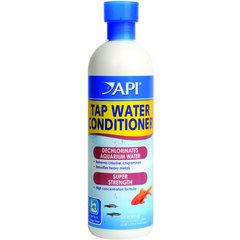
- Condition tap water: If you’re using tap water, add an aquarium water conditioner labeled to treat both chlorine and chloramine. Follow the product’s dosing instructions.
- Adjust the water only if needed: Remineralize low-mineral water, blend suitable water sources, or add an aquarium marine salt mix based on your tank’s requirements.
- Match the temperature: For a partial water change, bring the replacement water close to the aquarium’s current temperature before adding it to the tank.
- Test the prepared water: If you adjusted the source water, retest it to confirm its key parameters suit your fish (pH, GH, KH, nitrite, nitrate). For saltwater, also check the salinity.
- Add the water slowly. Gently add the prepared water during a partial water change.
Note: A new aquarium must be cycled so beneficial bacteria can become established to process fish waste. This usually takes several weeks and should ideally be done before you bring fish home. However, you can also complete a fish-in cycle.
Recommended Products

How Often Should You Change Fish Tank Water?
Most aquariums need regular partial water changes, meaning you remove and replace only some of the water while the fish remain in the tank. Changing about 25% of the water every week is a common starting point, but there’s no one-size-fits-all schedule.
The right amount and frequency depend on the tank’s size, number of fish, filtration, feeding habits, number of live plants, and water test results, including nitrate and nitrite levels. Test the water regularly and adjust your routine based on what your aquarium needs.
Signs There May Be a Problem With Your Aquarium Water
Changes in water test results, appearance, smell, or fish behavior can all signal a potential problem. Here’s what to look out for:
- Detectable ammonia or nitrite: Both should remain at zero in an established aquarium. If either is detected, perform a partial water change and check if that resolves the issue.
- Rising nitrate: Increasing nitrate levels may indicate that waste is building up. A partial water change can lower it, but you may also need to adjust feeding or maintenance or reduce the number of fish in the tank.
- Sudden pH changes: A quick rise or drop in pH can stress fish. Correct the cause gradually to avoid another sudden swing.
- Unexpected changes in hardness: A shift in GH or KH may affect fish and pH stability. Test the source water, and consider whether a new substrate, decoration, or additive is responsible.
- Unusual fish behavior: Poor water quality can cause hiding, lethargy, erratic swimming, loss of appetite, or rubbing against objects (though illness is another possibility).
- Fish gasping at the surface: This may signal low oxygen or a problem with ammonia, nitrite, or water temperature, but illness could also be to blame. Test the water and check that the filter, air pump, and air stone are working properly.
- Cloudy or foul-smelling water: Excess food, built-up waste, inadequate filtration, a dying fish, or a bacterial bloom may be to blame. Test the water, then adjust feeding, filtration, or your maintenance routine as needed.
- Recurring algae or maintenance problems: Persistent algae can result from excess nutrients, too much light, or inconsistent upkeep. Test the water and review the tank’s lighting, feeding, and cleaning schedule.
Fish Tank Water FAQs
Can you use tap water in a fish tank?
Yes, properly conditioned tap water works well for many freshwater aquariums. Test it to confirm that its pH, GH, KH, nitrite level, and nitrate level are safe and suitable for your fish, and treat it to remove chlorine, chloramine, ammonia, and heavy metals before use.
How do you make tap water safe for fish?
Add an aquarium water conditioner labeled to treat both chlorine and chloramine, following the product’s dosing instructions. Match the new water’s temperature to the tank, test the relevant parameters, and add it slowly.
Does letting tap water sit make it safe?
Not necessarily. Some chlorine may dissipate as tap water sits, but chloramine tends to stick around, so this isn’t a reliable way to make water safe for fish. Instead, use an aquarium water conditioner that treats both.
How long should tap water sit before adding fish?
For a partial water change, the new water doesn’t need to sit once it’s conditioned, temperature-matched, and adjusted as needed. For a new setup, the treated water doesn’t need to sit, but the aquarium must be fully cycled before adding fish, which usually takes several weeks.
Can fish live in tap water without conditioner?
Fish shouldn’t be exposed to untreated tap water, as chlorine, ammonia, or chloramine can harm them. Always condition tap water before adding it to an aquarium unless testing confirms that toxins aren’t present.
What is the safest water for a fish tank?
The right choice for your aquarium depends on the fish you keep and their water requirements. For many freshwater tanks, properly conditioned tap water works well. Specialized freshwater tanks may use remineralized RO/DI water, while saltwater tanks commonly use RO/DI water with an aquarium marine salt mix.
Can I put bottled water straight into my fish tank?
Not without checking it first because the pH, hardness, and mineral content of bottled water will vary. Also, distilled, RO, or other low-mineral bottled water needs remineralization or mixing with marine salt before use.
Attributions