How To Lower pH in a Fish Tank Safely


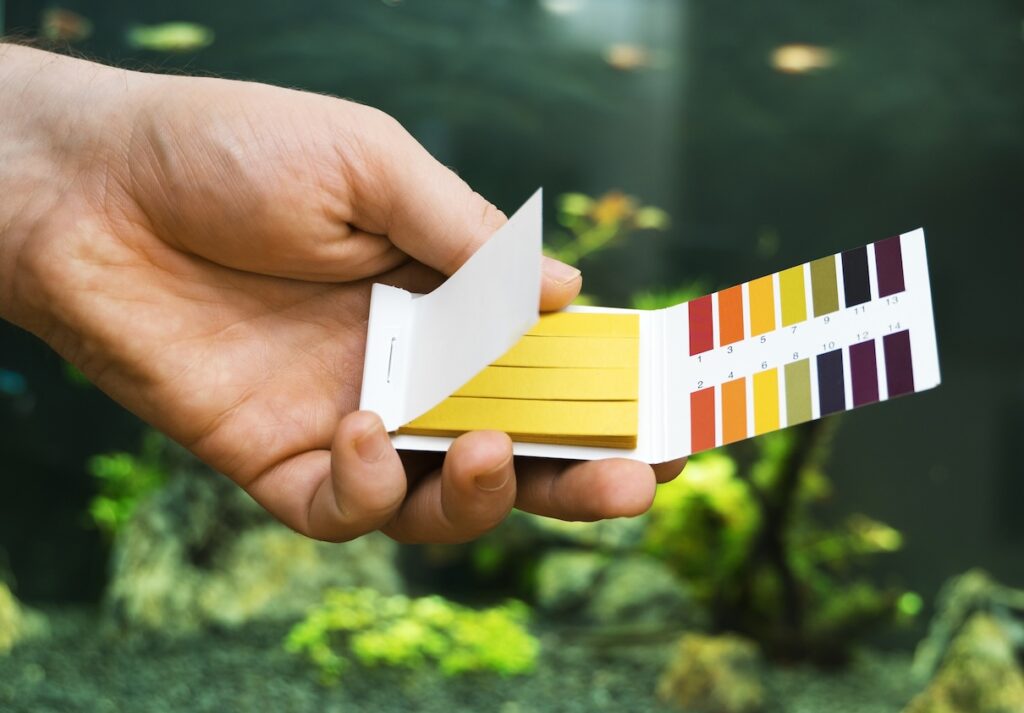
Photo by M-Production via Getty Images
You can lower aquarium pH in several ways, including changing the substrate or decor, using appropriately prepared water, adding natural materials, or using a pH-lowering product.
Knowing how to lower aquarium pH gradually—and when not to change it—can help you avoid sudden swings that may stress your fish.
Some fish, including many African Rift Lake cichlids and livebearers, naturally thrive in hard, alkaline water. Other species, including many tetras and rasboras, originate from softer, more acidic waters.
Research your fish’s species-specific needs and, when possible, the water conditions in which they were raised before altering your aquarium’s chemistry.
Key Takeaways
- Aquarium pH measures how acidic or alkaline the water is (7 is neutral, values below 7 are acidic, and values above 7 are alkaline).
- A stable pH within a fish’s appropriate range is generally more important than trying to reach one exact number.
- Before lowering aquarium pH, test the pH and carbonate hardness (KH) of both the tank water and source water.
- You can lower aquarium pH gradually by removing alkaline materials, using appropriately prepared lower-mineral water, adding tannin-releasing materials, or carefully using aquarium pH reducers.
- If your fish are healthy and the pH is stable and close to that of your source water, adjusting the pH may be unnecessary
What Is pH in a Fish Tank?
Fish tank pH measures how acidic or alkaline the aquarium water is. A pH of 7 is neutral; a pH below 7 is acidic, while a pH above 7 is alkaline.
Freshwater fish have widely varying pH requirements by species, while marine aquariums are typically alkaline. Researching the appropriate pH range for each species can help you choose compatible tankmates and maintain stable water conditions.
Why Fish Tank pH Level Matters
Fish, plants, and invertebrates have species-specific pH ranges in which they do best. Water that falls significantly outside an animal’s appropriate range—or changes abruptly—can cause stress and health problems.
The pH can also affect biological filtration. The beneficial bacteria responsible for the nitrogen cycle function best within suitable water conditions and may become less efficient at extreme pH levels.
Water hardness and pH in an aquarium
Carbonate hardness (KH), also called alkalinity or buffering capacity, is closely related to pH stability. Water with a higher KH resists pH changes, while low-KH water can experience more rapid pH swings.
For that reason, testing KH along with pH can help you understand why your aquarium’s pH is high or difficult to change.
What Causes High pH in a Fish Tank?
A high aquarium pH can come from the source water, mineral-rich substrates or decor, and other factors that affect the tank’s carbonate chemistry.
Hard Source Water
Tap and well water chemistry varies by location. White mineral buildup on faucets can indicate hard water, but testing your source water for pH, GH, and KH is the best way to determine its chemistry.
Substrate and Décor
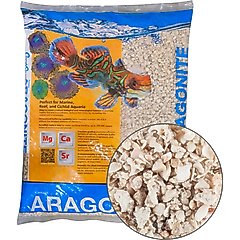
Some substrates and decorations contain carbonate minerals that can dissolve into aquarium water, increasing KH and potentially raising or maintaining a higher pH:
- Crushed coral
- Aragonite sand
- Limestone
- Shells
Recommended Products
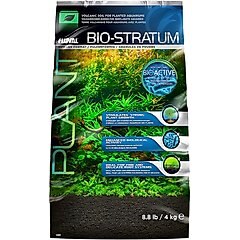
Poor Maintenance
Regular water changes help maintain aquarium water quality. Repeatedly replacing evaporated water with mineral-rich tap water can gradually concentrate dissolved minerals in the tank, especially if you neglect regular water changes.
Low CO₂ Levels
In planted aquariums, carbon dioxide (CO₂) levels can affect pH. Dissolved CO₂ forms carbonic acid in water, which can temporarily lower pH. As plants consume CO₂ during the day, pH may rise; when CO₂ increases again, pH may fall.
Because this natural daily fluctuation is related to dissolved CO₂, a higher daytime pH does not necessarily mean the aquarium needs a pH-lowering treatment.
Water Source Variability
Tap water chemistry can change over time. Seasonal conditions, changes in municipal water treatment, or changes to the water supply can affect pH, GH, and KH.
Test your source water periodically—especially if your aquarium parameters change unexpectedly.
6 Ways To Lower PH in a Fish Tank Safely
The safest approach is to first determine why the pH is high and whether it actually needs to be lowered.
If an adjustment is necessary, make gradual changes while regularly testing pH and KH.
Perform Small Water Changes
Water changes can gradually lower aquarium pH if the replacement water has a lower pH and KH. Test and condition new water, match it closely to the tank temperature, and remineralize or blend RO water as needed for your fish.
Make small, gradual changes, testing the water and watching your fish for signs of stress between adjustments.
Remove Alkaline Materials
Carbonate-based materials such as crushed coral, aragonite, limestone, and some shells can dissolve gradually and increase the water’s buffering capacity.
If you are trying to maintain softer, more acidic freshwater, identify and remove materials that are contributing carbonates. Make major changes to established substrate cautiously to avoid disrupting beneficial bacteria or stressing the aquarium inhabitants.
Experiment With Driftwood
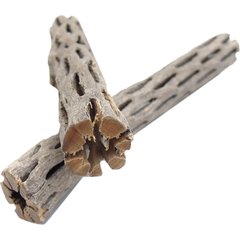
Some aquarium-safe driftwood releases tannins and other organic compounds as it soaks. These compounds can gradually reduce pH, particularly in water with a low KH. In highly buffered water, however, driftwood may have little noticeable effect on pH.
Tannins can tint aquarium water yellow or brown, though this discoloration differs from cloudiness.
Many blackwater fish naturally encounter tannin-rich water, although some aquarists prefer clear water for aesthetic reasons.
Recommended Products

Add Peat Moss
Aquarium-safe peat can release tannins and organic acids that gradually lower pH, particularly when the water has a relatively low KH. Its effect may be limited in highly buffered water.
Use only peat intended or confirmed to be safe for aquarium use, and monitor pH and KH regularly.
Use Reverse Osmosis (RO) Water
Reverse osmosis (RO) water contains very few minerals, including the carbonates that help keep pH stable. Mixing RO water with tap water can lower KH and make pH easier to adjust.
Because low-KH water is less stable, blend or remineralize RO water to meet your fish’s needs rather than using it only to lower pH.
Try Chemical pH Reducers
Use commercial pH-lowering products according to the manufacturer’s directions, and only after testing the aquarium’s pH and KH.
Adding too much—or repeatedly dosing highly buffered water—can destabilize water chemistry. A pH reducer may not solve an underlying cause of chronically high pH, such as highly buffered source water or carbonate-rich substrate.
How Fast Should You Lower Aquarium pH?
Avoid making abrupt changes to aquarium pH. Rapid changes in water chemistry can stress fish, and severe shifts can be dangerous.
Instead, follow these steps to lower your tank’s pH safely:
- Test the aquarium’s pH and KH before making changes
- Test the source or replacement water as well
- Determine what is causing the high pH and whether adjustment is necessary for the species you keep
- Make gradual changes rather than trying to reach the target pH all at once
- Retest the water after adjustments and monitor the fish for signs of stress
Ideal Fish Tank pH Levels by Species
No two fish species are the same when it comes to pH. Use the ranges below only as general guidance, and research the requirements of the exact species you keep.
| Fish Species | Ideal pH Range | Water Hardness |
|---|---|---|
| Bettas | 6.5–7.5 | Soft to moderate |
| Tetras | 6.5–7.5 | Ranges vary between species and on how they were raised |
| Cichlids | South American (dwarf: 6.0–7.5 and large: 6.5–7.5); African Rift- 8.0–8.5 | African species prefer harder water than South American ones |
| Goldfish | 7.0–7.8 | Moderate to hard |
| Livebearers | 7.5–8.0 | Prefer mineral-rich water |
| Gouramis | 6.0–7.5 | Soft to moderate |
| Catfish | 6.5–7.8 | Soft to moderate |
| Discus | 6.0–7.0 | Soft, but sensitive to water chemistry |
| Puffers | 6.0–8.5 | Variety among species, especially between freshwater and brackish ones |
Common Mistakes To Avoid
When learning how to lower aquarium pH, it’s just as important to know what not to do.
These common mistakes can lead to unstable water parameters and unnecessary stress for your fish.
- Lowering pH too quickly: Abrupt changes in water chemistry can stress fish and may be dangerous. Adjust gradually and monitor the water as you go.
- Chasing an exact pH number: A stable pH within an appropriate range is generally more important than repeatedly adjusting the water to reach one exact value.
- Using pH reducers without testing: Test both pH and KH before adding a pH-lowering product and follow the product label carefully.
- Ignoring KH and GH: KH affects how strongly the water resists changes in pH, while GH measures dissolved minerals such as calcium and magnesium. Test both when troubleshooting aquarium water chemistry.
- Mixing fish with incompatible water requirements: Choose tankmates with overlapping temperature and water-chemistry needs rather than trying to maintain conditions that are unsuitable for part of the community.
How To Maintain Stable Aquarium pH
For most fish, keeping pH stable within an appropriate range is preferable to repeatedly adjusting the water to reach an exact number.
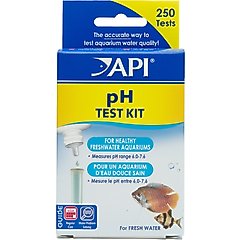
- Test pH regularly and whenever you notice an unexpected change in aquarium conditions
- Keep a consistent water-change schedule
- Test your source water periodically for pH, GH, and KH
- Monitor GH and KH, especially if you use RO water or are intentionally altering water chemistry
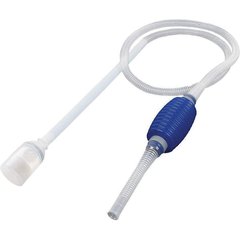
- Vacuum the substrate as appropriate for your aquarium setup and maintain the filtration system
- Avoid overstocking and overfeeding, both of which can contribute to poor water quality
- Avoid repeatedly adding pH-adjusting products without identifying why the pH is changing
Recommended Products
FAQs About Lowering pH in a Fish Tank
How do you lower the pH in a fish tank naturally?
You can naturally lower aquarium pH by removing carbonate-rich materials and, when appropriate, using driftwood, aquarium-safe peat, or properly prepared lower-mineral water.
How well these methods work depends largely on the water’s KH, so test pH and KH before making changes.
What causes high pH in a fish tank?
High aquarium pH can result from alkaline source water, high KH, carbonate-rich substrates or decorations, or changes in dissolved CO₂.
Testing both the aquarium and its source water can help identify the cause.
Is high pH dangerous for fish?
A high pH can be harmful when it falls outside the appropriate range for the species you keep. However, some fish naturally thrive in alkaline water.
A stable pH appropriate for the species is generally more important than trying to make every aquarium neutral or acidic.
How quickly should aquarium pH be lowered?
Avoid abrupt pH changes. The appropriate rate depends on the starting pH, KH, target water chemistry, and fish species.
Make gradual adjustments, test the water between changes, and stop if the fish show signs of stress.
Does driftwood lower aquarium pH?
Driftwood can gradually lower aquarium pH by releasing tannins and other organic compounds, but the effect depends on the water’s buffering capacity.
In water with a high KH, driftwood may have little noticeable effect on pH.
Attributions