Bristlenose Pleco Care: Tank Size, Diet, and Water Parameters


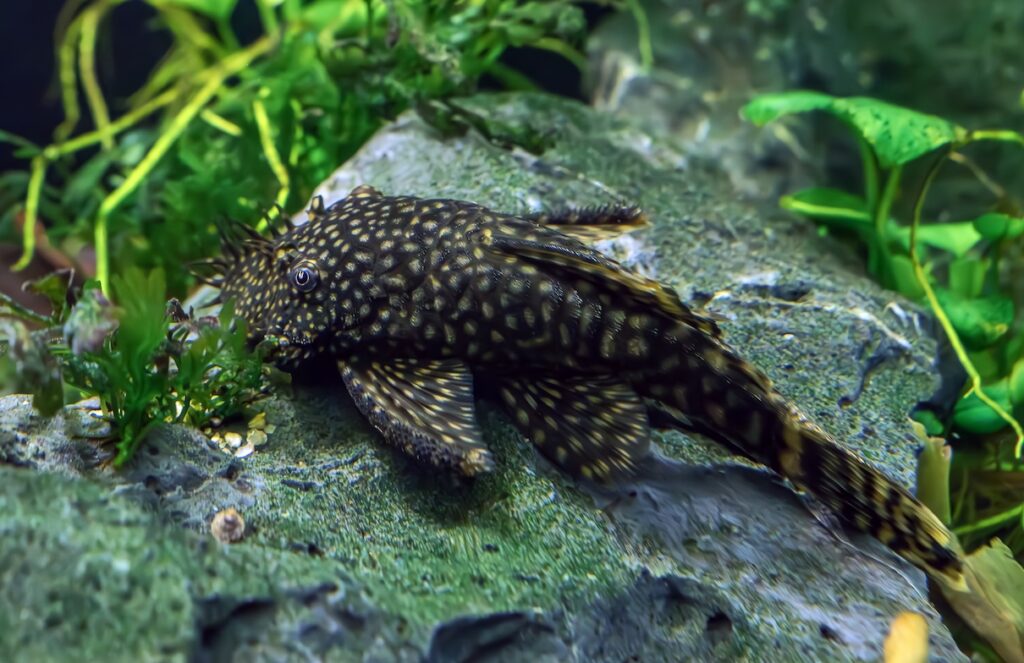
Photo by Dmytro Karas via Getty Images
Bristlenose plecos are small, peaceful freshwater catfish that graze on algae and biofilm. They need a cycled aquarium, stable water parameters, driftwood, hiding places, and a mostly plant-based diet. With proper care, they can thrive in many peaceful community aquariums.
Key Takeaways
- Bristlenose plecos need a minimum 20-gallon aquarium with clean, well-filtered water and plenty of hiding places.
- Feed bristlenose plecos a primarily vegetarian diet of algae wafers and blanched vegetables, along with occasional protein-rich foods.
- Driftwood is an important part of a bristlenose pleco’s habitat because it provides shelter and supports natural grazing behavior.
- Bristlenose plecos are peaceful community fish, but they still need stable water parameters and regular aquarium maintenance to stay healthy.
What are Bristlenose Plecos?
Bristlenose pleco is a common name for several Ancistrus species and selectively bred varieties. These bottom-dwelling freshwater catfish are native to South America and are generally peaceful community fish.
Most reach about 4 to 5 inches, though adult size varies by species and variety, and they can live about 5 to 10 years with proper care.
Common bristlenose pleco varieties include:
- Common bristlenose pleco
- Albino pleco
- Longfin pleco
- Calico pleco
- Super red pleco
How to Set Up a Bristlenose Pleco Tank
A 20-gallon aquarium is a common minimum for one adult bristlenose pleco. Multiple plecos or a community setup may require a larger aquarium based on the tank’s footprint, filtration, decor, and total bioload. Provide plenty of bottom space, especially if keeping more than one pleco.
Bristlenose plecos are bottom dwellers that spend much of their time resting on surfaces and grazing along the substrate, driftwood, rocks, and aquarium glass.
Water Parameters
Bristlenose plecos are hardy and can handle a wide range of water parameters in freshwater aquariums; however, they thrive when parameters stay stable.
These ranges are general guidelines; stable conditions and gradual changes are more important than chasing a specific number.
- Temperature: 73–81 F
- pH: 8–8.1
- Hardness level: 2–30 dGH
- Ammonia: 0 ppm
- Nitrite: 0 ppm
- Nitrate: < 20 ppm
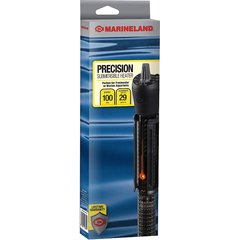
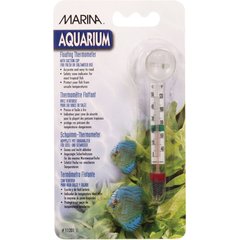
Essential tools for keeping water parameters stable for plecos include a tank heater and thermometer. Programmable heaters let you set the temperature, but you still need to monitor it regularly along with the other water parameters.
During water changes, use dechlorinated tap water or remineralized RO/DI water. Match the new water to the aquarium’s temperature, and avoid adding pure RO/DI or distilled water without appropriate minerals.
Recommended Products
Filtration and Tank Supplies
Getting the right filtration and tank supplies is key to a healthy bristlenose pleco tank. Depending on your tank size, you might need multiple filters or other supplies.
Generally, here’s what you’ll need:
- Hang-on-back (HOB) or canister filters
- Filter pads for mechanical filtration
- Biomedia for biological filtration
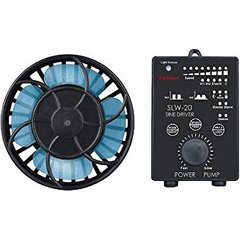
- Powerheads or wavemakers (optional)
- Random flow generator nozzles (if using canister filters)
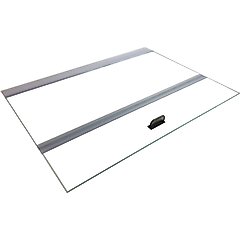
- Secure lids (plecos are often kept with jumpier fish)
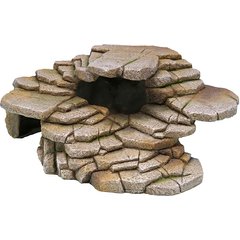
- Caves and other hiding places for shelter and, if desired, breeding
- Sandy substrate
- Live plants like Anubias or Java fern (avoid thinner-leaved plants)
Recommended Products

Cycling and Stocking
To keep fish safe, cycle all tanks. “Cycled” refers to the nitrogen cycle. This process involves one species of nitrifying bacteria converting ammonia into nitrite, and a second species converting nitrite into nitrate.
An uncycled aquarium can expose fish to toxic ammonia and nitrite, which may damage gill tissue, interfere with oxygen transport, and cause serious illness.
To keep your existing plecos healthy when stocking your tank, quarantine new fish first. Quarantine gives you time to observe new fish and reduces the risk of introducing disease to the established aquarium, although it cannot guarantee that a fish is disease-free.
Maintenance
You can break bristlenose pleco tank maintenance into daily, weekly, and monthly tasks.
| Daily Maintenance Tasks | Weekly Maintenance Tasks | Monthly Maintenance Tasks |
|---|---|---|
| Observe their behaviors | Test water parameters | Inspect the heater, filter, thermometer, and tubing |
| Feed appropriate portions | Perform 10–25% water changes and vacuum substrate | Rinse reusable mechanical media in removed aquarium water |
| Remove uneaten food | Siphon debris, secure loose plants, and clean tank glass | Replace worn-out media according to the manufacturer’s instructions |
Maintenance frequency depends on the aquarium’s size, stocking level, feeding routine, and water-test results.
Avoid replacing all filter media at once, as it can remove beneficial bacteria.
What Do Bristlenose Plecos Eat?
Bristlenose plecos are primarily plant-eating omnivores. They graze on algae, biofilm, and plant matter, but aquarium algae usually doesn’t provide a complete diet.
If their food sources in the tank seem to be running low, you can offer them some of the following:
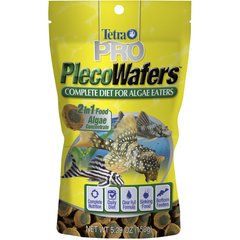
- Algae wafers or spirulina-based sinking foods
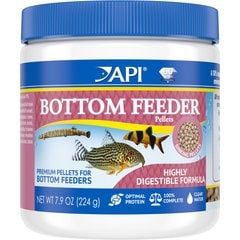
- Sinking vegetable pellets
- Blanched vegetables like squash, zucchini, or spinach
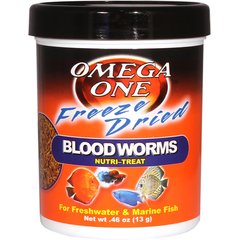
- Treats such as bloodworms 1 to 2 times a week
Regular feeding does not stop natural grazing, but overfeeding can reduce algae consumption and increase waste.
Do not rely on a bristlenose pleco to control algae or replace routine aquarium maintenance.
Recommended Products
What Fish Can Live With Bristlenose Plecos?
Bristlenose plecos are generally peaceful and can live with many community fish that share their water and temperature requirements. Suitable tank mates may include:
- Tetras
- Rasboras
- Livebearers
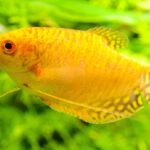
- Gouramis (like honey gouramis)
Avoid large, aggressive, or highly territorial fish that may injure or repeatedly harass the pleco. Adult males can defend caves from other males, so provide several hiding places and avoid keeping multiple males in a small aquarium.
You can keep one male with females in a suitable breeding setup, but bushy nose plecos don’t need harems or groups to be healthy.
Though they’re small enough that you might group them in with other small aquarium fish, plecos need a lot of space—not so much for swimming, but for foraging. Overstocking a tank can cause unneeded stress and unwanted health issues.
Getting a Bristlenose Pleco
Local fish stores, reputable breeders, or fellow fish club members are all good places to find a bristlenose pleco. Buying from a reliable source helps ensure you get a physically and genetically healthy fish.
When purchasing a new pleco for your tank, look for the following:
- Clear eyes
- Intact fins and skin
- Intact barbels
- Strong appetite
- Active swimming
- Normal breathing
- No white spots, ulcers, lesions, or unusual growths
Buying from a reputable source increases your chances of getting a healthy fish with accurate identification and reliable care information.
Common Bristlenose Pleco Health Problems
Common health issues include:
- Hole-in-the-head disease: This condition looks like pitting and appears along the head and lateral line. Nutritional deficiencies and poor water quality often cause it.
- Fin rot: Your pleco’s fins might look tattered, torn, or missing, and bacterial disease may be to blame. The most common contributors to fin rot are water quality problems or sudden changes in the tank environment.
- Stress: Poor water quality, issues with tankmates, or poor nutrition can all stress out bristlenose plecos. Signs of stress might include a loss of appetite, increased time spent hiding, deteriorating barbels, or color changes.
You can reduce the risk of many health problems by:
- Maintaining good water quality
- Feeding your fish the right food and treats
- Reducing stress
- Avoiding overstocking
- Quarantining new fish
- Removing aggressive tank mates
- Providing hiding (or breeding) spots
Bristlenose Pleco Fish FAQs
How big do bristlenose pleco fish get?
Most bristlenose plecos grow to about 4 to 5 inches, although adult size varies by species and variety.
Can bristlenose pleco fish live alone?
Yes. A bristlenose pleco can live alone and doesn’t need a group to stay healthy.
How many bristlenose plecos should be together?
You can keep one bristlenose pleco alone. If you keep multiple plecos, provide a larger aquarium, several caves, driftwood, and visual barriers.
Avoid keeping multiple males in a small tank because they may compete for territory.
Are bristlenose pleco fish aggressive?
Bristlenose plecos are generally peaceful, but adult males may become aggressive around caves, food, or breeding areas.
Multiple males are more likely to fight when hiding places and bottom space are limited.
What size tank does a bristlenose pleco fish need?
A 20-gallon aquarium is a common minimum for one adult bristlenose pleco.
Multiple plecos or a community aquarium may require a larger tank based on its footprint, filtration, décor, and total stocking level.
How long do bristlenose pleco fish live?
Bristlenose plecos commonly live for about 5 to 10 years with proper care, although lifespan varies by species, genetics, diet, and water quality.
Do bristlenose plecos clean your tank?
Bristlenose plecos may eat some algae and biofilm, but they don’t clean the aquarium or replace water changes, filter maintenance, or algae control. They also need regular feeding and produce waste.
Are bristlenose plecos good for beginners?
Yes. Bristlenose plecos are generally beginner-friendly because they are peaceful, hardy, and compatible with many community fish.
However, beginners still need to provide a cycled aquarium, stable water parameters, driftwood, hiding places, regular feeding, and routine maintenance.
Why is my bristlenose pleco hiding?
Hiding is normal, especially during the day, because bristlenose plecos are often more active at night.
If hiding is sudden or accompanied by a loss of appetite, rapid breathing, unusual color changes, or other behavior changes, test the water and check for illness or aggressive tank mates.
Do bushy nose plecos prefer gravel or sand?
Bristlenose plecos can live on sand or smooth, rounded gravel.
Avoid sharp substrate, which may injure their underside or mouth, and keep the substrate free of excess waste.
Attributions