How to Tell if a Fish Is Sick


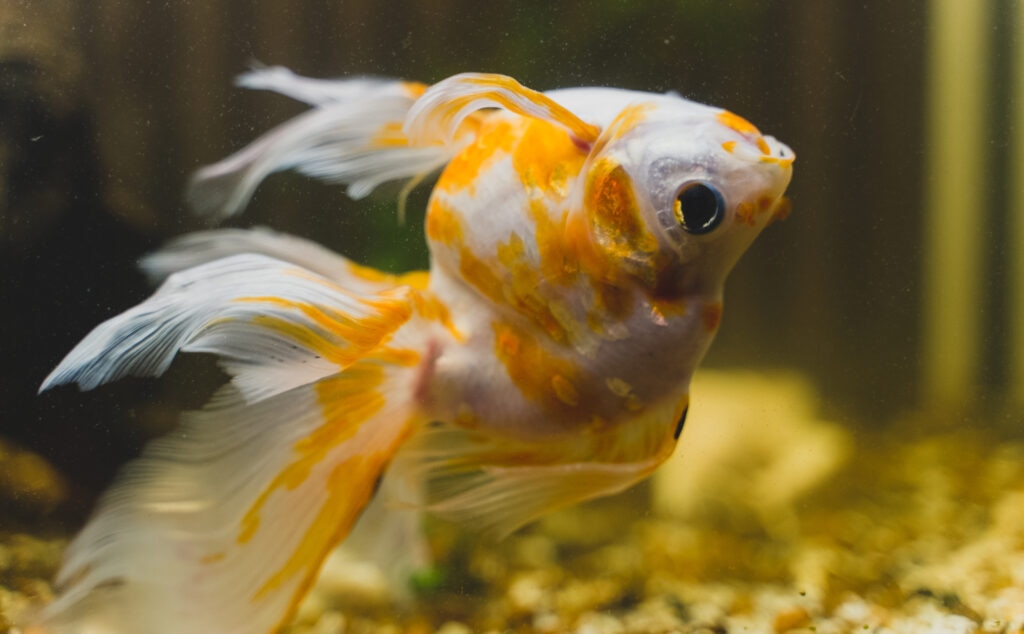
Photo by M-Production via Getty Images
Behavioral changes such as reduced appetite, hiding, abnormal swimming, or rapid breathing can appear before obvious physical signs of illness. Watching your fish every day helps you recognize what is normal and spot potential problems early.
A sick fish may show one or more warning signs, but no single symptom confirms a diagnosis. Test the aquarium water, watch for other changes, and seek veterinary guidance if symptoms are severe or persistent.
Key Takeaways
- A sick fish may show changes in appetite, breathing, swimming, hiding, color, or body condition.
- Poor water quality, stress, overcrowding, and unquarantined fish often contribute to illness.
- Gasping, severe bloating, pineconing scales, sores, white spots, and an inability to swim normally require prompt attention.
- Test the water and reduce environmental stress before choosing a medication.
Behavioral Signs of a Sick Fish
Fish rarely show signs of illness until it is too late for treatment to be effective. This is one reason it is important to spend time each day watching your fish.
If you know what their normal behavior looks like, it will be easy to spot changes early, which can help you treat issues in time.
While some illnesses develop over time and can be spotted early, others can crop up seemingly overnight.
1. They Stop Eating
Food-related symptoms are often the first sign something is amiss with your fish. They might include refusing food, especially favorite foods, or spitting out food that they would normally be able to swallow.
Stress is one of the most common causes of reduced appetite in fish. For example, if you have a new fish that has just been shipped, it might not be eager to eat. Certain medications can also dull your fish’s appetite.
While fish can go several days without eating, prolonged fasting can become a health issue. However, some fish species, like pufferfish, moray eels, and koi, are notorious for going a long time without food.
2. They Hide More Than Usual
Sick fish will often avoid being out in the open and engaging with other fish in the tank. Reclusive behavior is normal for some nocturnal, shy species, but when normally active fish hide, it may signal that something is wrong.
3. They Breathe Rapidly or Gasp for Air
A fish that breathes rapidly or repeatedly gasps at the surface is likely in distress.
Rapid mouth and gill movements can signal oxygen deprivation or dangerous levels of ammonia and nitrite. If you notice these behaviors, add an air stone to the tank and test the water parameters immediately.
Some fish, like catfish, are facultative air breathers, meaning they can both breathe air at the surface and absorb oxygen through their gills underwater. For these fish, gasping for air is normal behavior.
Recommended Product
4. They Swim Differently
While a fish swimming differently may signal temporary stress, it can also indicate disease, swim bladder issues, or toxins in the water.
Abnormal swimming patterns include:
- Inability to balance or stay upright
- Floating toward the surface
- Sinking toward the bottom
- Listing to one side
- Spinning, rolling, or twirling
- Erratic darting when not being chased
- Lying on the substrate in the open during the day
- Shimmying
5. They Clamp Their Fins
Fish sometimes keep their fins clamped tightly to their bodies.
Fin clamping may signal stress, such as inappropriate temperature, poor water quality, or aggression from tankmates. It can also signal various illnesses, such as ich and velvet.
Either way, it signals discomfort and is an easy-to-spot clue that something may be wrong.
6. They Rub Against Objects (“Flashing”)
When a fish is irritated, it will often exhibit a behavior called flashing. A flashing fish will dart against tank decorations or the substrate as if trying to scratch an itch. If a fish is rubbing against objects, its skin might be irritated by:
- Parasites
- Poor water quality
- Debris or organics in the water
Physical Signs of a Sick Fish
Physical signs of illness may appear much later in the disease progression.
Try to get a good look at the area in question under good lighting. Be patient, as they may be extra skittish.
1. White Spots or Dust-Like Coating
Some white spots or bumps are perfectly normal. Tubercles, for example, are round white bumps that form on some male fish during the breeding season. Also called pearl organs, they form an orderly pattern on the head and sometimes on the fins. They recede after breeding.
Random white spots, a dust-like coating, or fuzzy growths are not normal and may have several causes, including:
2. Bloating or Swelling
Swelling can have many causes, including overeating, constipation, infection, organ dysfunction, or poor water quality. Concerning signs may include:
- Swollen abdomen
- Pineconing (protruding) scales or dropsy
- Bulging eyes
- Constipation
- Lethargy
- Poor appetite
- Unusual feces
Bloating after overeating may improve as the fish digests its food, but swelling that persists, worsens, or occurs with pineconing scales requires prompt attention.
Do not assume that stringy feces alone indicate parasites; they may also reflect an empty digestive tract or excess mucus. Avoid fasting or changing a species’ diet without species-specific guidance.
3. Torn Fins or Fin Rot
Damaged fins can result from injuries or a bacterial issue known as fin rot. The fins of a fish suffering from fin rot may have:
- Frayed edges
- Blackened tissue
- Missing tissue
Mild fin damage may improve after you correct the underlying cause and improve water quality. Progressive tissue loss, redness at the base of the fin, or additional signs of illness require further evaluation.
4. Color Changes
Color changes don’t always mean a fish is sick. If your once-colorful fish is dimmed and showing the following, start looking for other signs of illness:
- Fading colors
- Pale appearance
- Darkening
- Red streaks
- Pale or reddened gills
Fish may temporarily become paler or darker when they are stressed, frightened, resting, breeding, or interacting with tankmates.
Does a Dirty Tank Make Fish Sick?
Poor water quality is a primary cause of illness in aquarium fish. The following water parameter problems are likely to result in your fish getting sick:
- Ammonia poisoning
- Nitrite poisoning
- High nitrate levels
- Temperature instability
- Low oxygen
- pH swings
These issues typically occur in combination, creating suboptimal conditions that lead to disease.
New, uncycled tanks can have just as many issues as established aquariums. Because new tanks have not been colonized by the beneficial bacteria that convert and break down toxic ammonia and nitrites, they can prove fatal to fish.
What To Do if You Think a Fish Is Sick
If you think your fish is sick, act promptly but calmly. Minimize disturbance, test the aquarium water, correct urgent water-quality problems, and document the fish’s symptoms.
Test the Aquarium Water and Note Results
Poor water quality can cause or worsen many fish health problems, so testing the water is an important first step. Record the results, test kit type, water temperature, and any recent aquarium changes.
- Ammonia
- Nitrite
- Nitrate
- pH
- Temperature
- Chlorine or chloramine, when contamination or untreated tap water is possible
- Salinity, in saltwater aquariums
- Alkalinity or carbonate hardness, depending on the aquarium type
- Calcium and magnesium, when relevant to a saltwater or reef aquarium
Recommended Products
Observe Fish Closely for a Few Days
Watch your fish closely for changes in their behavior, appetite, breathing, and appearance. Ask yourself:
- Are they eating normally?
- How is their breathing?
- Are their symptoms improving, worsening, or staying the same?
- How are their tankmates behaving?
Avoid Random Medications and Treatments
A correct diagnosis ensures you treat the illness with the right medication. Depending on the diagnosis, basic treatments may include:
- Water-quality correction: Perform a partial water change with properly conditioned water and increase aeration if ammonia, nitrite, or low oxygen may be contributing to the problem.
- Antiparasitic medication: Copper-based medications may treat some external parasites, such as ich or velvet, but they can harm or kill invertebrates and should not be used in reef aquariums.
- Salt baths or dips: A species-appropriate salt bath may help with some external parasites or osmotic stress, but it is not safe or effective for every fish.
- Antibacterial medication: Use antibiotics only when you suspect a bacterial infection, and follow the product’s instructions carefully.
Random medical treatments can:
- Damage beneficial bacteria in the tank
- Make parasites and diseases more resistant to treatment
- Harm invertebrates in your system
- Unnecessarily stress the fish
When To See an Aquatic Veterinarian
If your freshwater or saltwater fish have any of the following, consider seeking veterinary assistance. This is especially true if you have expensive or rare fish species.
- Multiple, rapid deaths
- Severe bloating or pineconing scales
- Persistent illness
Aquatic veterinarians may be difficult to find, but the American Association of Fish Veterinarians offers a fish-veterinarian locator. A general veterinarian may also be able to consult with a fish veterinarian or aquatic diagnostic specialist.
Common Mistakes When Fish Get Sick
Having a sick fish can be stressful. Here are some things to avoid if your fish is sick:
- Treating or changing the water without testing it first
- Overfeeding
- Replacing all the filter media at once
- Using multiple medications simultaneously or without a diagnosis
- Chasing the fish with a net
- Shining bright lights to get a better view
- Handling the fish unnecessarily
Cleanup crew fish and invertebrates don’t prevent disease. Don’t add them to the tank as a substitute for quarantine, proper maintenance, or medical treatment.
How to Prevent Fish Illness
Following these tips will help to prevent illness and keep your fish healthy:
- Quarantine new fish: Keep new fish in a separate, stable aquarium before introducing them to the main tank.
- Cycle the aquarium: Confirm that the aquarium can process ammonia and nitrite before adding fish.
- Observe fish regularly: Learn each fish’s normal behavior so you can spot changes early.
- Test and stabilize water parameters: Check species-specific parameters and correct problems gradually.
- Avoid overstocking: Too many fish increase waste, stress, competition, and disease risk.
- Provide a species-appropriate diet: Feed a varied, high-quality diet in appropriate portions.
- Perform routine maintenance: Remove waste, maintain filtration, and complete appropriate water changes.
Sick Fish FAQs
How can you tell if fish are sick?
Behavioral signs of illness include irregular swimming, labored breathing or surface breathing, and reduced appetite. Physical signs of illness include spots, fuzz, ulcers, and torn fins.
Why is my fish breathing heavily?
Heavy breathing can indicate low oxygen, disease, poor water quality, or parasites.
What does it mean when a fish stays at the bottom of the tank?
If a fish is lethargic and lies on the bottom of the tank for an extended period, that is a sign something is wrong.
Should I quarantine a sick fish?
Yes. Quarantine a sick fish because it reduces stress, simplifies treatment, and lowers the risk of disease transmission to other fish in the tank.
Can bad water quality make fish sick?
Yes. Unstable water parameters, including high ammonia and nitrite and low oxygen, can contribute to poor fish health.
Can a sick fish recover?
Many fish recover when you identify and correct the underlying problem early. Recovery depends on the species, cause, severity, water quality, and treatment.
Persistent or worsening symptoms require veterinary guidance.
Attributions