Neon Tetra Lifespan: How Long Do Neon Tetras Live?


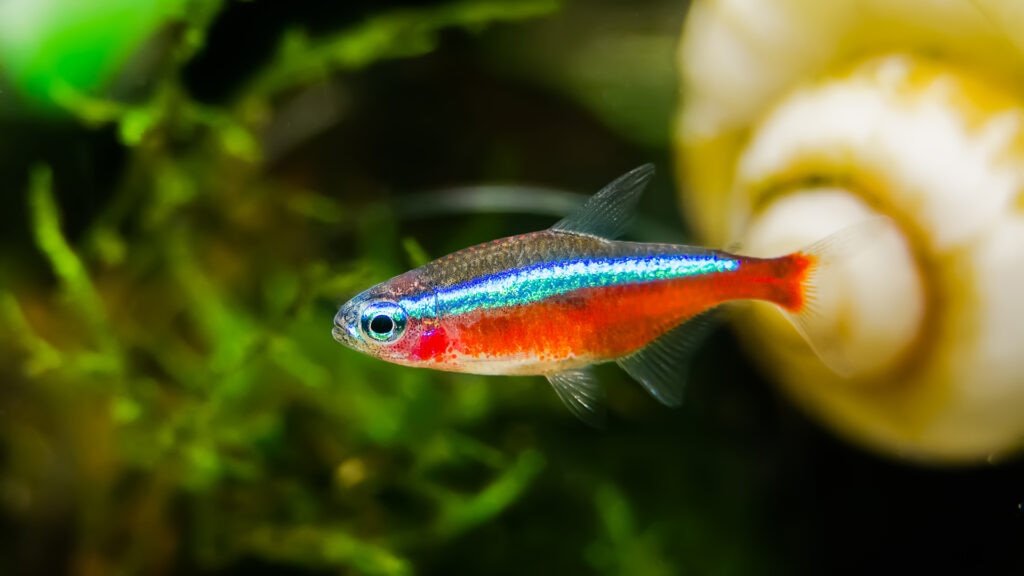
Photo by cejoos/iStock/Getty Images Plus via Getty Images
With their bright blue and red stripes, neon tetras bring a beautiful splash of color to any aquarium. And with proper care, these popular little fish can live two to five years.
From stable water conditions to peaceful tank mates and balanced nutrition, here’s what helps neon tetras live long, healthy lives.
Key Takeaways
- Neon tetras typically live two to five years with good care, though individual lifespans vary.
- Neon tetras are schooling fish who need to live in groups of at least six, with peaceful tank mates and enough swimming space.
- A fully cycled aquarium with stable, species-appropriate water conditions is essential to their health.
- Balanced nutrition, quarantine for new fish, and daily health monitoring help support a neon tetra’s lifespan.
How Long Do Neon Tetras Live?
Neon tetras typically live two to five years with proper care, although genetics, early care, and health conditions can affect their lifespan.
This estimate applies specifically to neon tetras. Other species, such as cardinal tetras, may have different lifespans and care requirements.
Before bringing neon tetras home, make sure your aquarium is fully cycled and large enough for a school of at least six fish, around 10–20 gallons.
What Impacts a Neon Tetra’s Lifespan?
Several factors influence how long neon tetras live, including:
- Water quality: Neon tetras need stable freshwater conditions, generally preferring softer, mildly acidic water. Maintain a fully cycled aquarium, test water regularly, and address detectable ammonia or nitrite.
- School size and tank mates: Keep at least six neon tetras together, with enough swimming space (at least 10–20 gallons), hiding places, and peaceful companions who share their water requirements.
- Nutrition: Provide a balanced diet for small tropical fish, offering small portions they can easily swallow. Make sure every fish gets enough to eat and remove uneaten food.
- Disease prevention: Quarantine new arrivals and avoid sharing uncleaned equipment between tanks to reduce the spread of fish diseases. Watch for appetite loss, unusual swimming, or changes in color or body shape. Neon tetra disease is one possible concern, but similar symptoms can have other causes.
How To Help Your Neon Tetras Live Longer
A few consistent habits can help keep your neon tetras healthy and active.
Cycle the Aquarium Before Adding Fish
Establish the nitrogen cycle using a fishless cycling method and water testing before bringing your neon tetras home. A filter that’s only been running for a few days may not be biologically established.
Feed Small, Balanced Meals
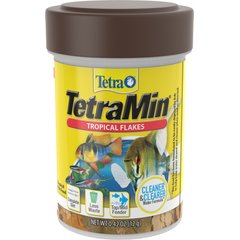
Choose complete tropical fish food appropriate for small fish, such as TetraMin Tropical Flakes Fish Food. Crumble flakes into bite-size pieces and make sure everyone gets a chance to eat.
Recommended Product
Condition Replacement Water
Use a water conditioner, such as API Tap Water Conditioner, according to the label. Match replacement water to an appropriate temperature and avoid sudden changes in water chemistry.
Recommended Product

Keep Up With Aquarium Maintenance
Test water regularly, remove debris, and perform partial water changes based on your aquarium’s needs. Maintain filtration without replacing or aggressively cleaning all biological filter media at once.
Create a Calm, Comfortable Habitat
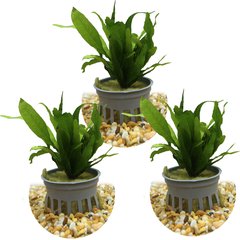
Give your neon tetras places to retreat with live aquarium plants, such as HydrOasis Java Fern Submerged Potted Live Aquarium Plants. Arrange plants along the back and sides, leaving open space for the school to swim.
Recommended Product
Keep a consistent light-dark schedule and place the aquarium away from direct sunlight and sudden temperature changes.
Watch for Signs of Illness
Observe your neon tetras daily for changes in appetite, swimming, or behavior. If a fish stops eating, struggles to swim, or isolates from the school, check water quality and contact an aquatic veterinarian.
Avoid treating suspected illness with medications before identifying the cause.
Attributions
This article was created with assistance from AI tools. The content has been reviewed for accuracy and edited by a human.