Pleco Lifespan: How Long Do Plecos Live?


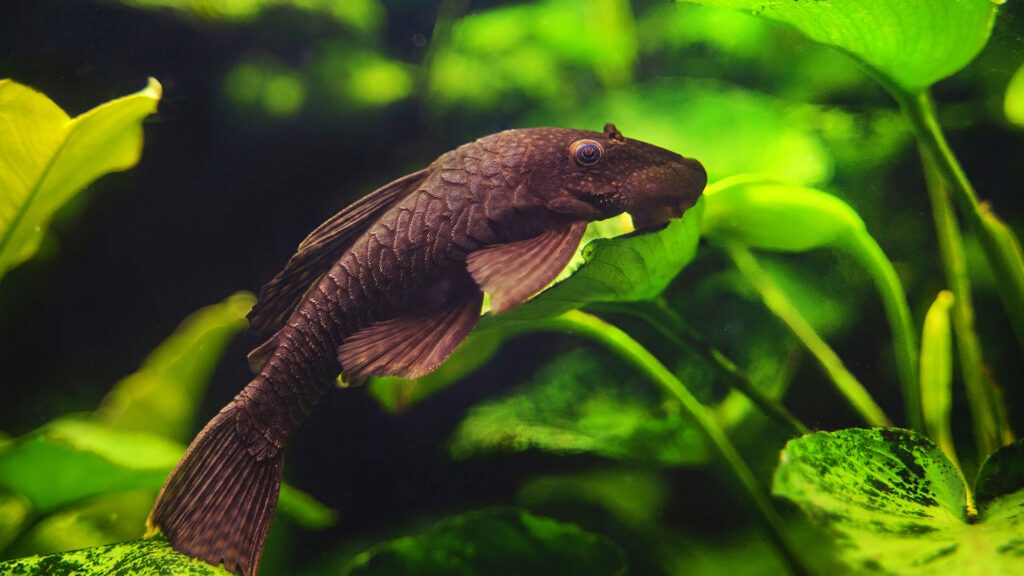
Photo by Marina Vedernikova/iStock/Getty Images Plus via Getty Images
That little pleco at the pet store might not stay little for long! These popular aquarium fish come in a wide range of sizes, and their lifespans vary by species. Bristlenose plecos, for example, often live five to 10 years with good care.
From choosing the right tank to providing a balanced diet and clean water, here’s what helps plecos live long, healthy lives.
Key Takeaways
- Bristlenose plecos often live five to 10 years with good care, but lifespan varies by species.
- Different pleco species have different lifespans, adult sizes, and care requirements, so identifying your species is essential.
- Plecos need species-appropriate nutrition; algae and leftover fish food aren’t enough to meet their dietary needs.
- Adequate tank space, hiding places, filtration, and regular water-quality monitoring support a pleco’s health.
How Long Do Plecos Live?
Pleco lifespans vary by species. Bristlenose plecos, for example, often live five to 10 years with good care, while other species may have different life expectancies.
Before bringing a pleco home, research their species’ expected lifespan, adult size, and care requirements. Some plecos grow much larger than others, making it important to choose an aquarium that can accommodate them throughout their lives.
What Impacts a Pleco’s Lifespan?
Several factors influence how long plecos live, including:
- Species and tank size: Choose an aquarium that accommodates your pleco’s adult size, with enough floor space, room to turn, and suitable hiding places. Different species have different space and water requirements.
- Nutrition: Plecos need more than algae and leftover fish food. Provide a species-appropriate diet, which may include sinking foods, vegetables, or other ingredients depending on the fish, like driftwood.
- Water quality: Proper filtration, aeration, and water conditions are essential. Test water regularly, remove uneaten food, and perform partial water changes to manage waste.
- Stress and health: Provide safe hiding places and monitor interactions with tank mates. Changes in appetite, body condition, skin, fins, or swimming may signal health problems that need veterinary attention.
How To Help Your Pleco Live a Longer Life
A few consistent habits can help your pleco stay healthy for years to come.
Know Your Pleco’s Species
Identify your pleco and research their expected adult size, dietary needs, and preferred water conditions. Some species grow much larger than others and need more tank space to move comfortably and maintain good water quality. Reevaluate tank size and stocking as your fish grows.
Feed a Species-Appropriate Diet
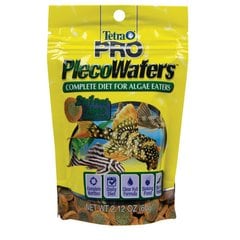
Choose bottom-feeder foods that meet your pleco’s nutritional needs. Tetra PRO PlecoWafers Complete Diet for Algae Eaters Fish Food may be suitable for algae-eating species, but isn’t appropriate as a complete diet for every pleco.
Recommended Product
Maintain Good Water Quality
Treat replacement tap water with a conditioner, such as API Tap Water Conditioner, following the label instructions. Test water regularly, remove waste, and perform partial water changes.
Recommended Product

Provide Safe Hiding Places
Offer species-appropriate caves or other hiding spots large enough for your pleco to enter and exit comfortably, like driftwood. Avoid sharp edges and openings that could trap a growing fish.
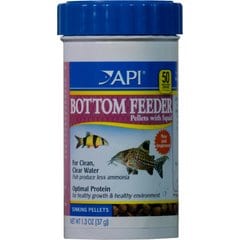
Monitor Feeding and Body Condition
Watch your pleco eat during their normal active hours to make sure they’re getting enough food, especially if faster tank mates compete for meals.
Recommended Products
Watch for Signs of Illness
Contact an aquatic veterinarian if your pleco stops eating, loses weight, develops sores, has unusual breathing, or struggles to stay upright. Check water quality and share recent test results with your veterinarian.
Attributions
This article was created with assistance from AI tools. The content has been reviewed for accuracy and edited by a human.