
American Standardbred
Updated September 30, 2026
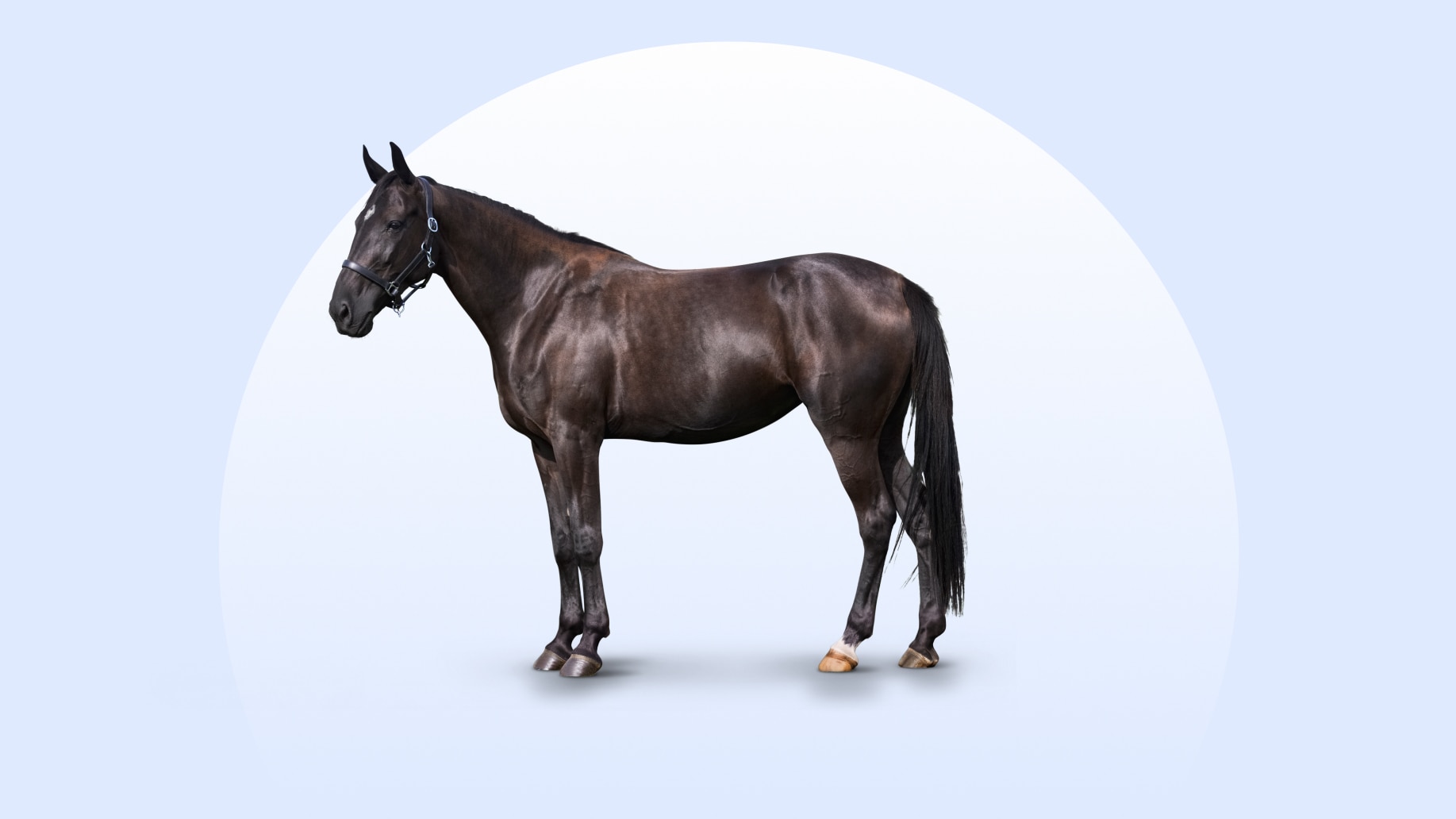
American Standardbred
Updated September 30, 2026
The American Standardbred was developed in the United States and selectively bred for harness racing. Standardbreds compete at either the trot (a two-beat diagonal gait) or the pace (a two-beat lateral gait).
Willing, Intelligent, High Stamina
800–1,200 pounds
14.2–16.3 hands (58–67 inches)
25–35 years
Most commonly bay; also chestnut, black, gray, and roan
The American Standardbred is an athletic horse best known for harness racing. Standardbreds race at either the trot or the pace, but their careers can go beyond the racetrack. Their intelligence, willingness, and athletic ability can also make them suitable for trail riding, dressage, endurance riding, and other activities.
American Standardbred Appearance
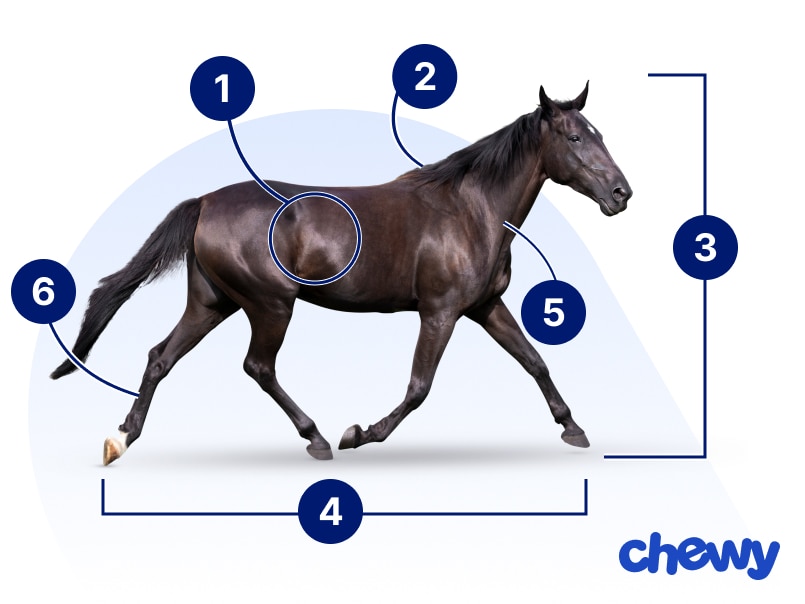
Standardbreds are sturdy, athletic horses bred for speed and stamina. There can be variation within the breed because performance at the trot or pace has historically been more important than producing one uniform appearance. They generally have substantial bodies suited to their work as harness horses.
- Colors and Patterns
Bay is the most common color. Standardbreds can also be chestnut, black, gray, or roan.
- Height
Standardbreds generally stand 14.2–16.3 hands (58–67 inches).
- Conformation
The Standardbred is classified as a light horse, meaning they have a medium build and are agile. These horses have longer bodies compared to their height, and long, sloping shoulders.
- Movement
Standardbreds are bred to trot or pace at speed. The trot is a two-beat diagonal gait, while the pace is a two-beat lateral gait in which the legs on the same side move together.
- Head and Neck
A refined, arched neck meets an elegant head with expressive, wide-set eyes and large nostrils for improved stamina.
- Legs and Hooves
Straight and set squarely under the body, forearms should be longer than the cannon bone to prevent elbow interference. Deep hocks allow these horses to reach powerfully under themselves. Hooves are generally large and hardy.
American Standardbred Temperament
Standardbreds are known for their willing temperaments. The breed is athletic and intelligent—qualities that can help these horses move into new careers after racing. Re-training is required for horses coming off the track.
Related Breeds

How to Care for a American Standardbred
Standardbreds are sturdy horses with good stamina, but their care needs depend heavily on their age, health, and job. A horse transitioning from racing to recreational riding may also need time and training to adjust to a different routine.
Work with a veterinarian familiar with racing horses to determine the best care and upkeep needed for a retired Standardbred harness horse.
Grooming
Training
Diet
Exercise
Environment
American Standardbred Health
Veterinary researchers are studying several health conditions in Standardbreds.
- Congenital and juvenile cataracts: A study involving Cornell University and the University of California, Davis found that Standardbreds were overrepresented among horses diagnosed with congenital or juvenile cataracts at two veterinary hospitals. Researchers said the findings suggest a genetic predisposition in the breed. Cataracts affect the eye’s lens and can interfere with vision.
- Osteochondrosis: This condition involves abnormal development of cartilage and bone, and is among the health concerns researchers are examining in relation to genetics and athletic performance.
- Recurrent exertional rhabdomyolysis (RER): RER, commonly associated with episodes of muscle damage following exercise, is another condition under investigation in Standardbred racehorses. Researchers are studying whether genetics associated with high athletic performance may also relate to disease risk.
- Exercise-associated heart rhythm problems: Researchers are investigating exercising cardiac arrhythmias and sudden death in Standardbred racehorses. These concerns are being studied alongside performance traits to help improve equine health and safety.
Research is ongoing, so these findings should not be taken to mean that every Standardbred will develop these conditions.
American Standardbred History
The Standardbred’s history can be traced to Messenger, a gray Thoroughbred stallion brought from England to the United States in 1788. Virtually every North American Standardbred traces to Messenger’s great-grandson, Hambletonian 10, who was foaled in 1849 and became the breed’s influential foundation sire.
The name “Standardbred” comes from the speed standard that early trotting horses had to meet over a mile to qualify for registration.
The U.S. Trotting Association (USTA) was established in the late 1930s as the breed’s governing organization. Its studbook closed in 1973, meaning that only offspring of registered American Standardbreds could subsequently be registered.
Today, Standardbreds remain closely associated with harness racing, where horses compete as trotters or pacers.
FAQs
What is an American Standardbred horse?
Why are they called Standardbreds?
How big are Standardbreds?
What is the difference between a trotter and a pacer?
Can Standardbreds be riding horses?
This article was created with assistance from AI tools. The content has been reviewed for accuracy and edited by a human.