
Morgan Horse
Updated September 30, 2026
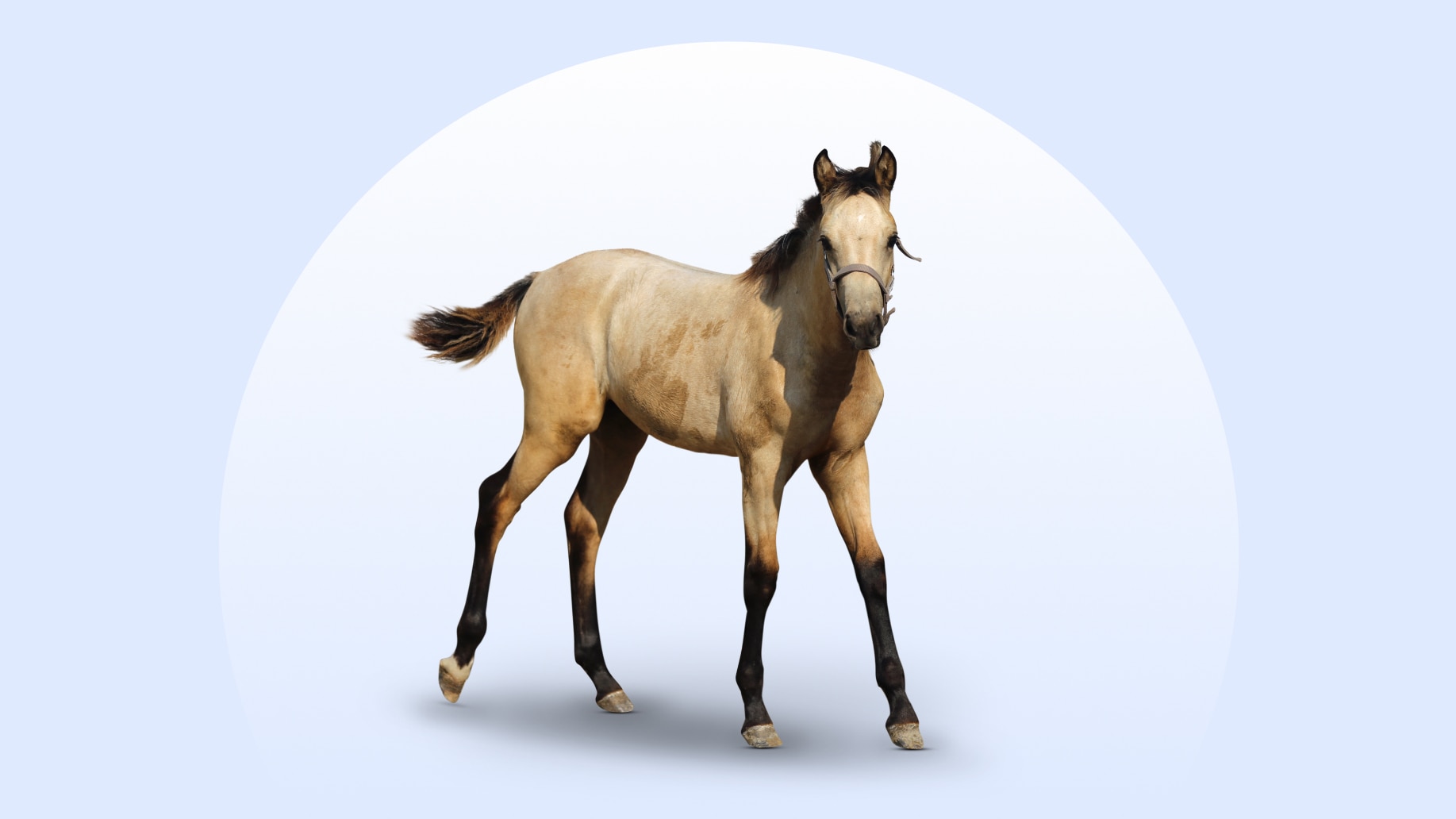
Morgan Horse
Updated September 30, 2026
Morgans are compact, athletic horses known for their stamina and versatility. The breed participates in everything from dressage and jumping to ranch work, driving, and endurance riding.
Gentle, Cooperative, Reliable
900–1,100 pounds
14.1–15.2 hands (57–62 inches), with some individuals taller or shorter
25+ years on average
All colors; brown, chestnut, bay, and black are common
The Morgan is one of the first horse breeds developed in the United States. Compact and athletic, Morgans have filled many roles throughout their history, from farm and harness work to riding and competition. They’re also known for their intelligence, willingness to work, and friendly temperament.
Morgan Horse Appearance
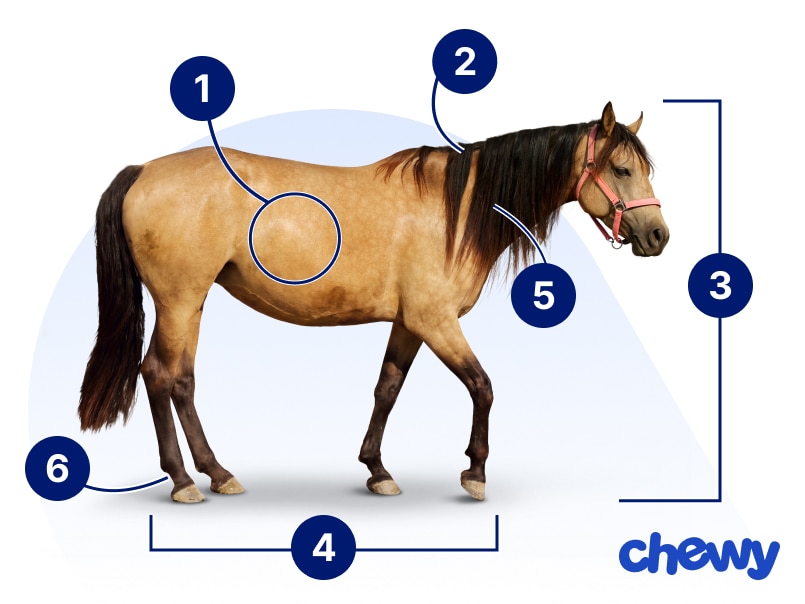
Morgans are compact, deep-bodied horses with muscular hindquarters and a distinctive, proud carriage. The breed standard emphasizes balance, strength, stamina, and an expressive appearance. Despite their relatively compact size, they are athletic horses capable of performing many different jobs.
- Colors and Patterns
Approved colors include chestnut, black, bay, brown, palomino, buckskin, smoky black, cremello, perlino, and smoky cream, with several additional color characteristics recognized.
- Height
The breed standard generally ranges from 14.1–15.2 hands (57–62 inches), although individuals may fall outside this range.
- Conformation
Morgans should have compact bodies, short backs, broad loins, deep flanks, well-sprung ribs, and long, muscular croups. The tail is attached high and carried gracefully.
- Movement
The Morgan standard emphasizes a strong, natural way of moving. The breed itself is not considered gaited, although individual Morgans may perform gaits such as the foxtrot, rack, and pace.
- Head and Neck
The head should have a broad forehead, large eyes, a straight or slightly dished short face, large nostrils, and short, shapely ears. The neck should be slightly arched and blend smoothly into the withers and back.
- Legs and Hooves
Morgan horses have exceptionally strong hooves with dense horn material. Legs should be clean-boned and powerful, reflecting balanced strength and elegance.
Morgan Horse Temperament
Morgans are known for being intelligent, alert, pleasant, gentle, loyal, cooperative, and reliable. They are active and athletic but are also described as friendly, calm, and affectionate. These qualities can make them suitable companions for adults and children and for riders of various experience levels, including beginners.
Their willingness to work is a hallmark of the breed. Morgans can participate in dressage, reining, jumping, endurance riding, driving, ranch work, therapeutic riding, and many other activities.
Related Breeds
How to Care for a Morgan Horse
Morgans are generally straightforward to care for. They do not have complicated grooming needs, and their trainability can make them enjoyable to work with. One important consideration is weight management: Morgans are easy keepers and can gain weight quickly if they receive more calories than they need.
Grooming
Training
Diet
Exercise
Environment
Morgan Horse Health
Morgans are generally considered a healthy breed, but they may be predisposed to several health conditions.
- Type 1 polysaccharide storage myopathy (PSSM1): PSSM causes abnormal amounts of glycogen to accumulate in muscle. Signs can include muscle pain and stiffness, sweating, tremors, weakness, and reluctance to move. PSSM1 is caused by a known genetic mutation, and DNA testing is available for Morgans. The condition in many affected horses can be managed through appropriate diet and exercise.
- Equine metabolic syndrome (EMS): EMS affects how the body regulates insulin, and is commonly seen in Morgans and some other breeds. Signs may include easy weight gain, difficulty losing weight, fatty deposits, and laminitis. Diet and exercise are important parts of management.
- Pituitary pars intermedia dysfunction (PPID): Also called Cushing’s disease, PPID is a progressive endocrine disorder. Signs can include an unusually long or curly coat, abnormal shedding, muscle loss, increased drinking and urination, and laminitis. The condition cannot be cured, but it can be managed with veterinary care.
Morgan Horse History
The Morgan is one of the first horse breeds developed in the U.S. The breed traces back to a bay stallion named Figure, born in 1789. Figure was owned by Justin Morgan, a teacher, composer, businessman, and horseman in Vermont. The stallion eventually became known by his owner’s name, and his descendants became the Morgan breed.
Figure became famous for his ability to walk, trot, run, and pull. He worked on farms, hauled freight, and appeared as a parade mount during militia training. More importantly, he consistently passed his characteristics to his offspring. Three sons—Sherman, Bulrush, and Woodbury—were especially influential in continuing his bloodline.
Early American families needed horses who could work on farms while also serving as stylish harness and riding horses. The Morgan filled these varied roles, helping establish the versatility still associated with the breed today.
The American Morgan Horse Association (AMHA) maintains the breed registry and promotes and preserves the Morgan horse. Modern Morgans can be registered with the AMHA and shown in regional and other Morgan horse shows.
FAQs
What is a Morgan horse?
Are Morgan horses good for beginners?
Are Morgan horses gaited?
How long do Morgan horses live?
What are Morgan horses used for?
This article was created with assistance from AI tools. The content has been reviewed for accuracy and edited by a human.