Why Are Horses Measured in Hands?


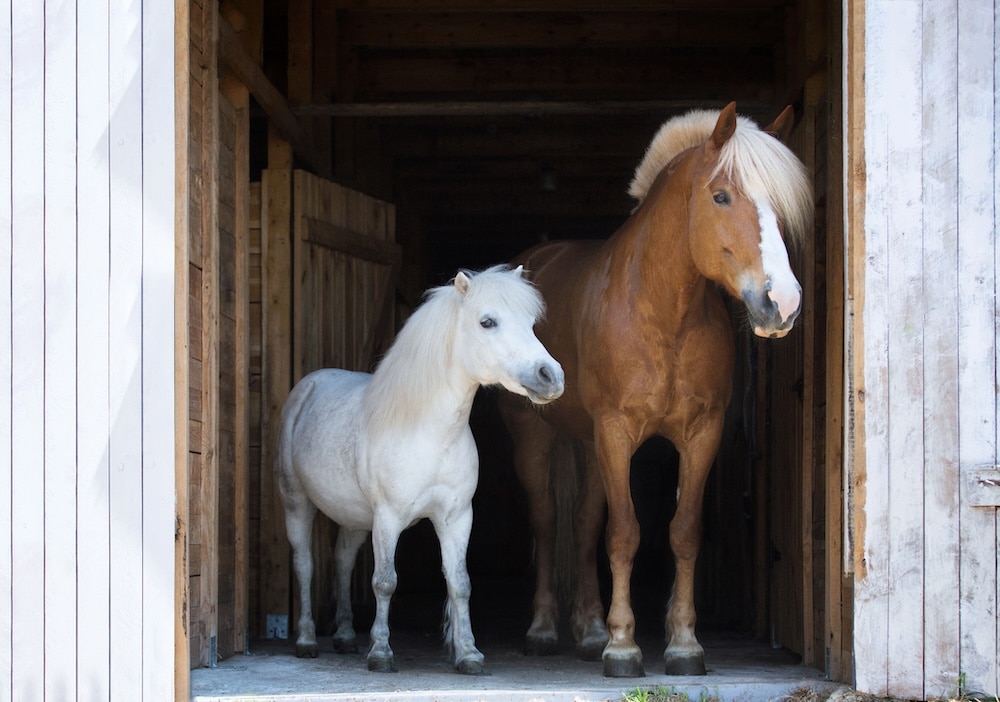
Photo by AsyaPozniak/iStock/Getty Images Plus
If you’ve ever looked at a horse’s description, you’ve probably seen their height listed in hands, such as 15.2 hands or 16.1 hands. For many newcomers to the equestrian world, this raises an obvious question: Why are horses measured in hands instead of feet or inches?
The answer lies in centuries of tradition. Long before standardized measuring tools existed, horse traders relied on the width of a person’s hand as a practical way to estimate a horse’s height. Over time, this informal method became an official unit of measurement that is still used around the world today.
In this guide, you’ll learn what a hand is, why horses are measured this way, how to measure a horse correctly, and why this unique system remains the industry standard.
Key Takeaways
- Horses are measured in hands, a standardized unit of length equal to 4 inches, with height measured at the highest point of the withers.
- Measuring horses in hands began before modern measuring tools and became standardized in England, remaining the industry standard today.
- In horse measurements, the digit after the period represents additional inches, so a horse can be 15.0, 15.1, 15.2, or 15.3 hands—but never 15.4.
- Horse height helps determine breed classifications, competition eligibility, equipment fit, and whether a horse is a good match for a rider.
What Does “Hands” Mean in Horse Measurement?
A hand is a unit of length equal to 4 inches (10.16 centimeters). While the measurement originated from the approximate width of an adult man’s hand, it is now a standardized unit used exclusively for measuring the height of horses and ponies.
Horse height is measured from the ground to the highest point of the withers, the ridge between the horse’s shoulder blades. The head and neck are not included because they move constantly and would make measurements inconsistent.
Horse heights are written in a unique format. For example:
- 15.0 hands = 60 inches
- 15.2 hands = 62 inches
- 16.3 hands = 67 inches
It’s important to note that the symbol after the whole number is a period, not a decimal point. So what follows is not a percentage but the number of additional inches. Since 1 hand equals 4 inches, the digits after the period can only be 0, 1, 2, or 3.
Why Are Horses Measured in Hands?
The tradition dates back thousands of years when horse owners, traders, and riders needed a quick way to estimate an animal’s size.
Ancient Origins
Before rulers and measuring tapes were widely available, people used parts of the human body as measuring tools. The hand, foot, and forearm were all common units of measurement. For horses, the width of an open hand proved especially convenient because it was easy to use while buying, selling, or evaluating animals.
Although individual hand sizes varied, the system worked well enough for everyday use.
Standardization of the Hand
As trade expanded, the need for consistency became more important. In England, the hand was eventually standardized at exactly 4 inches. This helped eliminate confusion when buying and selling horses and established a reliable system that could be used across regions.
The standardized hand measurement has remained unchanged ever since and is recognized by equestrian organizations worldwide.
Why the Tradition Continues Today
Despite the availability of modern measuring tools, the hand remains the preferred unit for several reasons:
- It is universally recognized in the horse industry.
- Breed registries often require height in hands.
- Horse shows and competitions use the measurement for eligibility.
- It provides a simple way to compare horses across different breeds.
Whether you’re purchasing a horse, reading breed standards, or watching an equestrian event, you’ll almost always see height listed in hands.
How To Measure a Horse Correctly
Measuring a horse is straightforward if you follow the proper method.
First, place the horse on level ground so the measurement will be accurate. The horse should stand naturally with all four feet squarely beneath their body.
Next, locate the withers, the highest point of the shoulders where the neck meets the back. This is the official point from which all horse heights are measured.
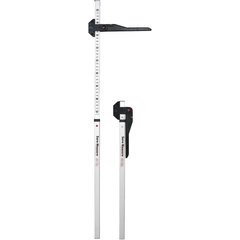
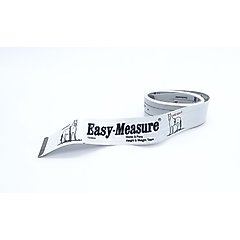
Using a horse measuring stick or a measuring tape, measure vertically from the ground to the top of the withers.
Recommended Products
Finally, convert the measurement into hands by dividing the total inches by four. Any remaining inches are written after the decimal.
For example:
- 64 inches = 16.0 hands
- 65 inches = 16.1 hands
- 66 inches = 16.2 hands
- 67 inches = 16.3 hands
Horse Height Chart
The following chart shows common horse heights in different units.
| Hands | Inches | Feet and Inches |
|---|---|---|
| 12.0 | 48 | 4 ft 0 in |
| 13.2 | 54 | 4 ft 6 in |
| 14.2 | 58 | 4 ft 10 in |
| 15.2 | 62 | 5 ft 2 in |
| 16.2 | 66 | 5 ft 6 in |
| 17.0 | 68 | 5 ft 8 in |
This chart can be helpful when comparing breeds or determining whether a horse is an appropriate size for a rider.
Why Horse Height Matters
A horse’s height affects much more than appearance. It plays an important role in selecting the right horse for a rider, ensuring equipment fits properly, and meeting breed or competition requirements.
Many equestrian disciplines also have height restrictions or classifications. For example, in most organizations, a horse measuring 14.2 hands or less is classified as a pony, while anything taller is considered a horse.
Height also helps buyers compare animals accurately. Combined with factors such as build, temperament, and training, it provides a better understanding of a horse’s overall suitability for a particular rider or discipline.
Whether you’re buying your first horse, comparing breeds, or simply satisfying your curiosity, understanding how the hand measurement works makes it much easier to interpret horse heights. It’s a timeless tradition that continues to connect modern equestrians with the rich history of horsemanship.
Frequently Asked Questions
Why don’t horse measurements use feet instead of hands?
The use of hands is a centuries-old tradition that became standardized long before modern measurement systems were common. Because it is universally recognized in the equestrian industry, there has been little reason to replace it.
Are ponies measured in hands too?
Yes. Ponies are measured using the same system as horses. The primary difference is that ponies generally measure 14.2 hands or shorter.
Can you measure a horse with a tape measure?
Yes, although a horse measuring stick typically provides greater accuracy. If using a tape measure, ensure the horse is standing on level ground and measure straight up to the withers.
What is considered a tall horse?
Most horses above 16 hands are considered tall. Draft breeds often stand between 16–18 hands, while some exceptionally large horses exceed 19 hands.
Attributions
This article was created with assistance from AI tools. The content has been reviewed for accuracy and edited by a human.