Horse Rescue: How Horses Are Rehabilitated and How You Can Make a Difference


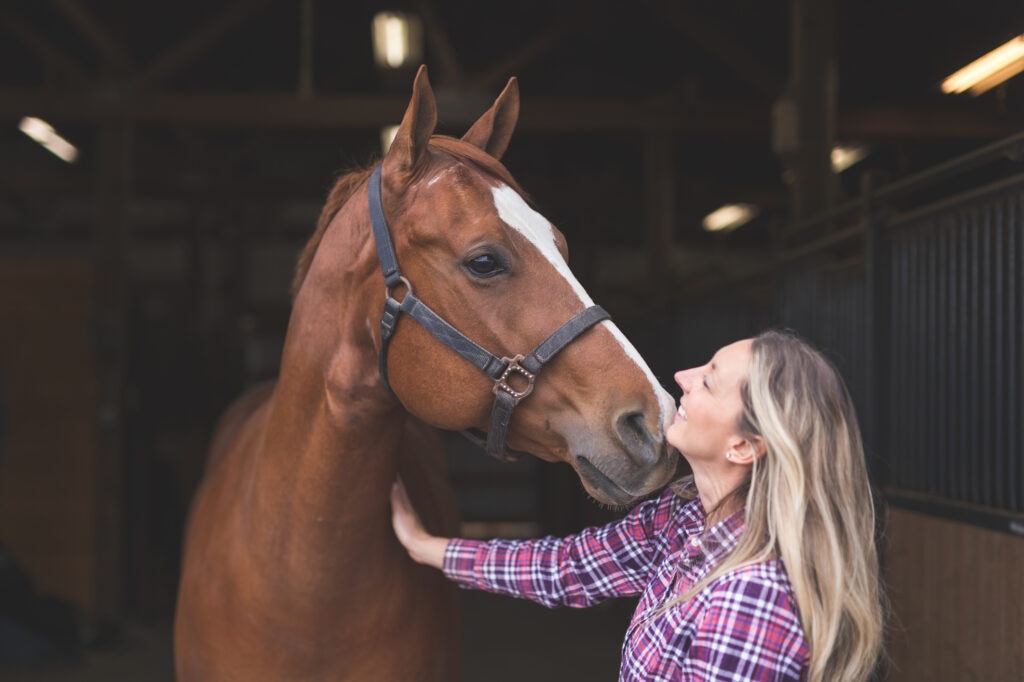
Photo by FatCamera/E+
Horse rescue organizations play an important role in protecting neglected, abused, abandoned, or displaced horses. Rescue work is about more than saving a horse—it involves months of rehabilitation, veterinary care, training, and finding the right forever home.
Whether you’re considering adopting a rescue horse, volunteering your time, or want to learn more about how these organizations operate, understanding the rehabilitation process is the first step. Read on to learn how rescues help horses heal physically and emotionally, what it takes to prepare horses for adoption, and how to support horse rescues that help give horses a second chance.
Key Takeaways
- Horse rescues give neglected, surrendered, and displaced horses a second chance through veterinary care, nutrition, training, and rehabilitation.
- Recovery takes time. Every rescued horse follows an individualized plan based on their physical health, behavior, and training needs.
- You don't have to adopt to make a difference. Volunteering, donating, sponsoring a horse, or supporting fundraising efforts all help rescues continue their work.
- If you're considering adoption, choose a horse who matches your experience level, and be prepared for the long-term commitment of horse ownership.
Why Horses End Up in Rescue
People often believe that abuse is the reason a horse ends up in an equine rescue or at a horse sanctuary. However, many rescued horses simply need a second chance, usually due to a combination of events and their owner’s changing circumstances.
These are a few common reasons horses need rescuing:
- Owner financial hardship
- Natural disasters or emergencies
- Owner illness, aging, or death
- Unsuitable match between horse and owner
- Aging
- Lameness
- Seizure by animal welfare authorities
- Neglect or abuse
- Overbreeding
What Happens When a Horse Is Rescued?
When a rescue organization takes in a horse, the priority is to provide a safe living environment and care for any emergency health issues. Once immediate needs are addressed, rescues evaluate each horse to determine next steps.
Initial Intake and Evaluation
In situations where owners voluntarily surrender a horse before that horse’s welfare is at risk, the owner can provide the rescue with information about the horse’s care, veterinary needs, and farrier routines.
In cases where the previous owner is unavailable or unwilling to share background information, rescues must start from scratch. First steps include body condition scoring and a veterinary examination to identify any medical conditions or injuries. Initial evaluations also assess the horse’s teeth and hooves to determine care, and a plan is made for vaccinations and deworming.
Creating an Individualized Care Plan
Based on a horse’s overall health, an individualized care plan is created. Malnourished and underweight horses need carefully managed feeding programs to help them gain weight slowly to avoid overwhelming their systems. Horses also receive appropriate medical treatments, hoof care, and pain management for injuries and general well-being.
If a horse is in good physical condition, trainers and caregivers evaluate their temperament and potential, helping prepare them if they are suitable for adoption, while learning what type of home is the right fit.
How Horses Are Rehabilitated
Every situation is different, so rehabilitation plans are tailored to each horse. Depending on their condition and the environment they come from, it may take weeks, months, or even years for a horse to fully recover.
Physical Recovery
Physical rehabilitation starts with nutritional support, sometimes with feed introduced slowly. Severely underweight horses can become ill if they are fed too much too fast, which can cause digestive issues like colic.
If a horse comes from a situation where their owner was able to provide care before surrender, they may continue a normal diet and exercise routine.
In either scenario, regular farrier and veterinary care are provided based on a horse’s individual needs.
Emotional and Behavioral Rehabilitation
Horses who have experienced neglect, inconsistent handling, or traumatic situations often need time to rebuild confidence and trust.
Rescue staff and/or trainers start with consistent handling and groundwork to introduce the horse to new experiences at a pace the animal is comfortable with. Throughout the process, the horse’s temperament and training level are evaluated to determine whether they require lifetime care at the rescue or can be placed in a retirement home or with an owner who would like to ride.
Preparing for Adoption
Each organization has processes people must follow to adopt a rescue horse, but it typically begins with an application and screening.
After conversations with potential adopters to determine fit, rescues typically ask for references from veterinarians, farriers, and other reputable horse people.
A rescue may require that the horse receives ongoing training, and many conduct follow-ups to ensure the animal is receiving appropriate care.
How You Can Help a Horse Rescue
Rescues are typically nonprofit organizations that rely on volunteers to provide care and support to the horses they take in. Whether you have years of equine experience or are new to horses, there are countless ways to get involved and support a rescue’s efforts. Contact your local rescue to learn about volunteer requirements, age restrictions, and training opportunities.
In general, rescues always need people willing to help with:
- Feeding and watering horses
- Cleaning stalls and paddocks
- Grooming and socializing horses
- Facility maintenance
- Administrative support
- Fundraising and community events
Being a horse rescue volunteer isn’t always an option. If you want to help but are unable to volunteer, there are numerous ways to support a rescue. For example, Chewy sponsors A Home for Every Horse, a resource for equine rescues, sanctuaries, and care facilities. The organization bridges the gap between rescue organizations and those who can assist them.
Other ways you can help organizations rescuing horses include:
- Donating money or supplies
- Sponsoring a horse
- Fostering or adopting, if qualified
- Sharing rescue stories to raise awareness
What To Know Before Adopting a Rescue Horse
Adopting a rescue horse can be rewarding, but it is not the right fit for everyone. Before signing up, understand the time and financial commitment. Ask if a horse requires ongoing medical treatment or training, both of which increase the cost of ownership.
Spend time defining your goals. Some horses may only be pasture sound, while others may be ridable. Some horses may require an experienced horse owner who can manage behavioral issues or fear, while others can be suitable for less experienced horse owners.
Horse rescues provide neglected, abandoned, and displaced horses with the care, patience, and expertise they need to recover and thrive. Whether you volunteer a few hours each month, donate supplies, sponsor a horse, or eventually adopt one, every contribution helps give these animals a brighter future. Supporting your local horse rescue is one of the most meaningful ways to improve equine welfare in your community.
Frequently Asked Questions About Horse Rescue
What is a horse rescue?
A horse rescue is an organization that rehabilitates and rehomes horses who have been neglected, abandoned, surrendered, or displaced.
How long does it take to rehabilitate a rescued horse?
Every horse is different. Some recover in a few months, while others require a year or more of medical treatment, training, and behavioral rehabilitation.
Can anyone volunteer at a horse rescue?
Many rescues welcome volunteers. Age requirements, orientation sessions, and training vary by organization.
Can you adopt a horse from a rescue?
Yes. Most horse rescues adopt horses into carefully screened homes that can provide appropriate long-term care.
What donations do horse rescues need most?
In addition to monetary donations, rescues often need hay, feed, grooming supplies, blankets, fly masks, buckets, fencing materials, and volunteer time.
Attributions