Milk Snake Care Sheet


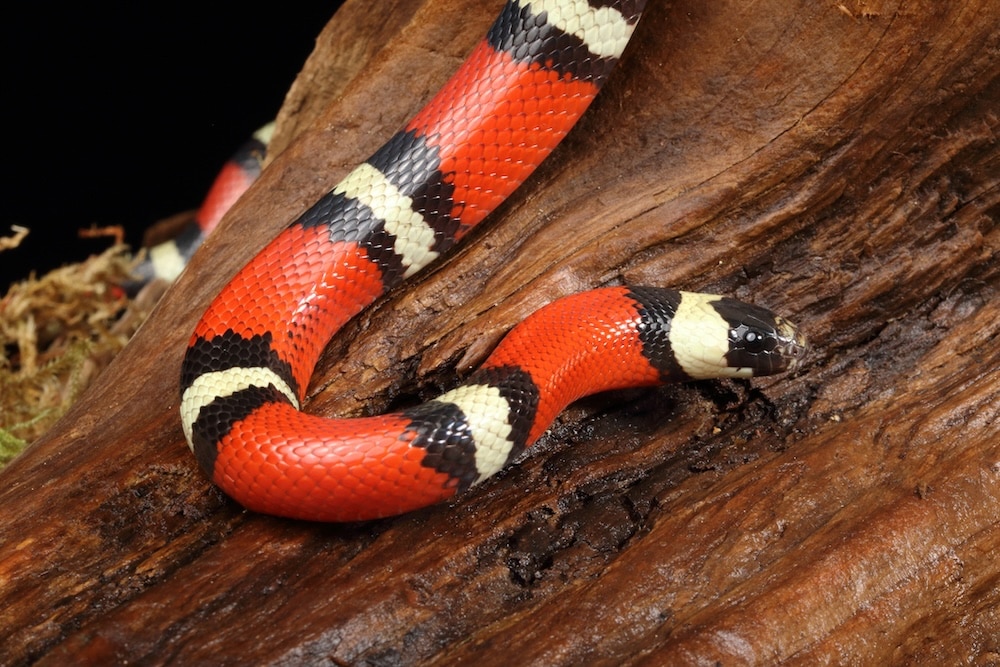
Photo by David Kenny/iStock/Getty Images Plus
The milk snake is a gentle, nonvenomous species of kingsnake, and there are many subspecies of milk snakes. If you’ve recently gotten a milk snake or are thinking about getting one, make sure you have everything you need to give them a long, healthy life.
Milk Snake Overview
- Milk snakes are nonvenomous but they can resemble the venomous coral snake—both have similar colors but different patterns.
- While gentle, milk snakes may mistake human hands for food, especially during shedding when their vision is impaired.
- Juveniles need to eat every five to seven days, while fully grown adults need meals every seven to 20 days.
Fun Facts About Milk Snakes
- Milk snakes get their name because they used to be found around barns, allegedly drinking cows’ milk.
- Milk snakes don’t drink milk but they do help control rodent populations.
- You’ll know your milk snake is ready to shed when their eye color turns a cloudy blue or green.
Milk Snake Enclosure
Choose a snake enclosure based on the size and age of your scaly pal.
- A juvenile milk snake needs a tank that’s at least 10 gallons.
- Medium-sized adults should be kept in a tank that’s at least 30–40 gallons.
- Larger adults should be in a tank that’s 40 gallons or more.
Whenever possible, get the largest enclosure you can.
Recommended Products


Well-ventilated tanks should have a secure, screened lid. If you have more than one milk snake, each should have their own tank, as they should be housed alone. Never house milk snakes with other snake species or animals.
Line the tank with paper-based bedding or reptile carpet. If you use loose substrate, such as coconut husk, aspen shavings, or cypress mulch, feed your snake in a separate enclosure to avoid accidental ingestion.
Recommended Products


Keep the cool side of the enclosure at 70–75 F and the warm end around 80–82 F. Place two thermometers in the tank to check temperatures daily—one on the warm side and one on the cool side. You can also use a point-and-shoot digital thermometer for instant temperature reads.
Install an under-tank heater or over-the-tank basking lamp with a heat bulb. Milk snakes should also get 10–12 hours of ultraviolet (UV) light a day.
Keep humidity around 40–60%, and bump it up to 70% during shedding cycles. Use a humidity gauge to monitor the tank’s humidity, and mist the tank with clean water to maintain proper humidity levels.
Hideaway spots provide privacy and help your snake regulate their body temperature. Place at least two hideaways or hideout boxes in the tank (one on the warmer side and one on the cooler side).
Recommended Products

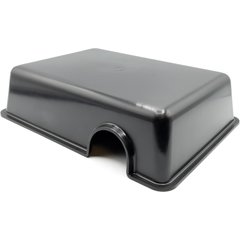
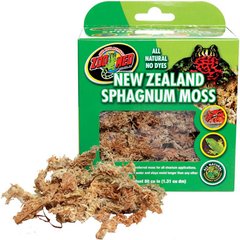
Put moist sphagnum moss inside the warmer hideaway to build up humidity.
Recommended Product
Add a variety of plants and branches to give your snake plenty of things to climb, encouraging exercise.
Recommended Product

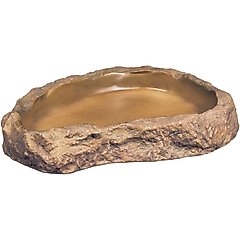
Use large, shallow bowls for drinking and soaking. Place water bowls on the cool side of the tank to prevent quick evaporation. Watch if your snake soaks regularly. If they have issues shedding, put them in the dish two to three times a week for 10–-15 minutes each time.
Recommended Product
Cleaning and Maintenance
Clean and disinfect your milk snake tank with a 3% bleach solution at least once a week. Follow these steps to clean the enclosure:
- Move your snake to another secure tank and then discard the old substrate and remove all accessories from the main enclosure.
- Scrub the tank, decor, and accessories, and leave the solution on for at least 10 minutes to make sure all surfaces are fully disinfected.
- Thoroughly rinse everything with water until you no longer smell the cleaning solution.
- Let the tank and accessories dry completely before adding new substrate, cleaned decor, and your milk snake.
What Do Milk Snakes Eat?
Feed milk snakes whole, previously frozen, thawed rodents like mice and rats. Never feed live rodents.
Place food in a shallow dish to prevent substrate ingestion, and use tongs, not your fingers, to move food. Use a separate feeding tank if available.
Recommended Product
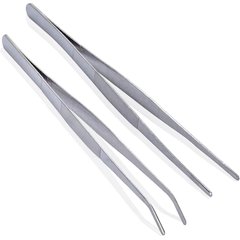
The amount of food to give your snake depends on their age, activity, and size.
Recommended Products


Juvenile milk snakes start with “pinkies” (baby mice) and transition to larger immature mice. As adults, milk snakes eat full-grown mice and rats.
Feed your milk snake rodents that are no wider than their mid-body.
As always, provide your pet with fresh water daily.
How To Hold a Milk Snake
Always approach your milk snake calmly when preparing to handle them. Most are willing to be held, but be mindful of your pet’s behavior.
Milk snakes regularly shed their skin, and their eyes could be covered by the loosened skin, so this could cause your pet to mistake your hands as a food source. Be extra careful when approaching your snake while they’re shedding.
Wash your hands before and after handling your milk snake. These reptiles are potential carriers of Salmonella and other infectious diseases.
Milk Snake Health
Your milk snake should be taken to an exotic vet once a year for a checkup.
Healthy milk snakes have clear eyes, bright coloration, and a relaxed demeanor with regular tongue-flicking.
If you notice anything amiss, such as cloudy eyes, skin lesions, discharge around the cloaca, lack of appetite, tumors, lethargy, a stuck shed, or nasal trauma, contact your vet.
Milk Snake Supply Checklist
- Appropriately sized habitat
- Substrate and sphagnum moss
- Water dish
- Frozen rodents
- Plants, climbing decor, and hideaways
- Under-tank heater and thermostat
- Thermometers and humidity gauge
- Heat emitter and fixture
- UV light emitter
- Mister
FAQs About Milk Snakes
How long do milk snakes live?
With proper care, milk snakes live 15 years or longer, depending on the species.
Where do milk snakes live in the wild?
Milk snakes live all over North and South America. You’ll find them in forested regions like tropical hardwood forests, as well as grasslands and by small streams.
Are milk snakes venomous?
Milk snakes are not venomous, but they closely resemble the venomous coral snake. Check the color pattern on their scales: milk snakes almost always have red bands touching black bands, while coral snakes have red bands bordered by yellow ones.
How many milk snake species are there?
There are a few different species of milk snakes, including desert milk snakes, eastern milk snakes, and Pueblan milk snakes.
How big do milk snakes get?
Depending on the species, milk snakes can be 2 to 6 feet long.
Click here for a printable PDF version of this care sheet!
Attributions