Sugar Glider Care Sheet

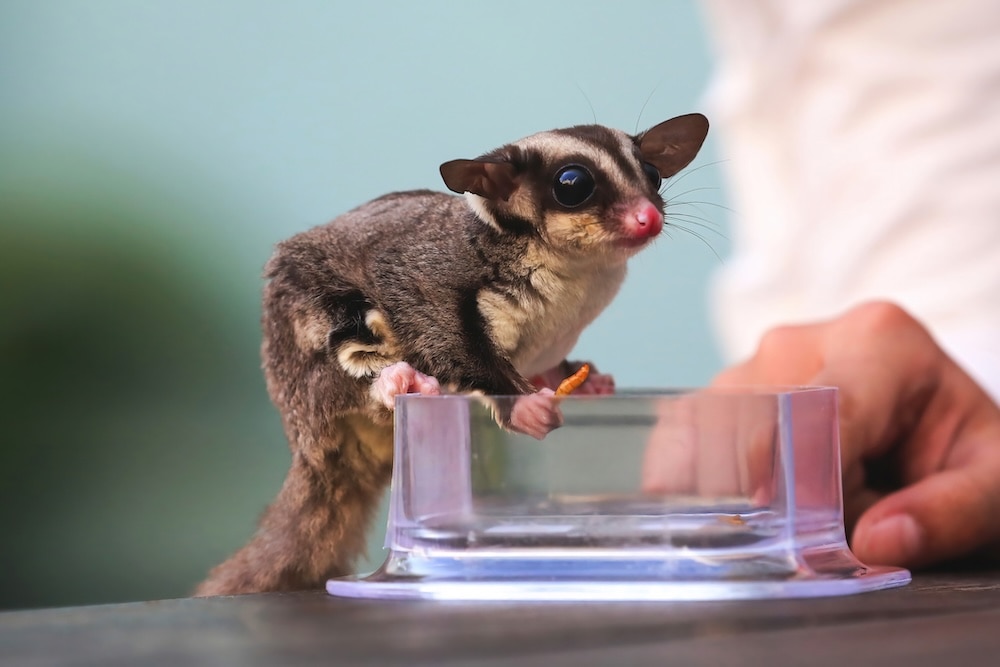
Photo by sutan abraham/iStock/Getty Images Plus
Sugar gliders are tiny, charismatic marsupials who glide through the air. Their big eyes and velvety fur make them an attractive pet, but with a lengthy lifespan and specialized care, sugar gliders are a long-term commitment. Here’s what you need to know to care for a sugar glider.
Sugar Glider Overview
- Sugar gliders are marsupials native to Australia, Tasmania, New Guinea, and a few neighboring Indonesian islands.
- Wild sugar gliders live in colonies of 20 to 40 individuals; pet sugar gliders must have a companion.
- Although they’re legal in most states, check local regulations before bringing home a sugar glider.
Fun Facts About Sugar Gliders
- Sugar gliders can glide up to 148 feet and can catch moths in mid-flight.
- When angry, sugar gliders lean back and make a chattering noise that sounds like a small, yapping dog.
- Sugar gliders have opposable thumbs and four fingers on their hands and feet.
Sugar Glider Cages
For sugar gliders, height is the most important dimension for their enclosures—these arboreal marsupials rarely leave their treetop homes.
Recommended Products
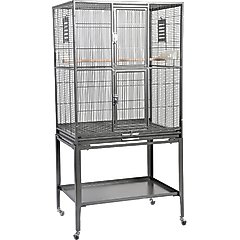
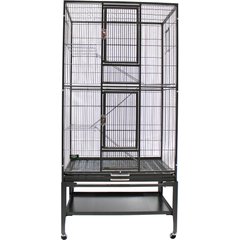
Although bigger is always better, the minimum sugar glider cage size is 24” x 36” x 48”, and the cage should be made of PVC or powder-coated wire, with bars spaced no more than a half-inch apart.
Sugar glider cages should have lots of room for climbing and exploring, plus room to hold a food dish and nest box or pouch. Don’t forget a water bottle, too.
Tip: These marsupials need plenty of airflow, so never use a glass or plastic aquarium.
Place your sugar glider enclosure in an area where they can see and interact with you, but away from the kitchen, drafty areas, and direct sunlight. Avoid areas with strong smells or fumes.
Sugar gliders thrive in 70–80 F, with a humidity level of 40–50%—similar to most household environments.
Their opposable thumbs and curious minds make them expert escape artists, so be sure to lock their cage with something they cannot manipulate, such as a combination lock.
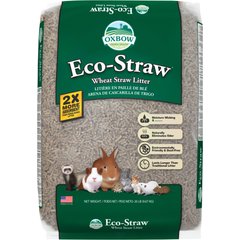
The best bedding is highly absorbent and easy to spot-clean daily. Shredded paper or paper pellet litter are excellent options.
Recommended Products

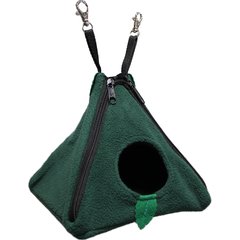
Set up your pet sugar glider cage with fleece sleeping pouches, nest boxes, branches, perches, and shelves at different heights to give them plenty of variety.
Recommended Products

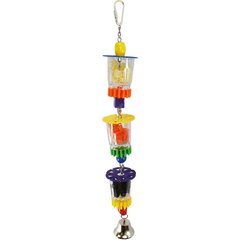
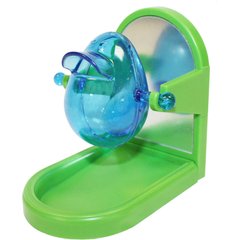
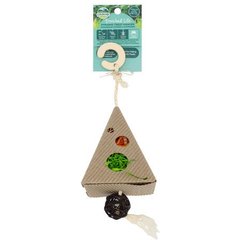
Sugar gliders are active and inquisitive, so include plenty of foraging toys, puzzle toys, and even toy boxes with small, safe trinkets. They also must have an exercise wheel with solid backing and no center bar.
Recommended Products

Sugar Glider Food
Wild sugar gliders are omnivores who eat insects, bird eggs, nectar, pollen, tree sap, honeydew, and acacia gum. To replicate their diet, some pet owners follow a diet which combines fruits, veggies, yogurt, applesauce, protein, and supplements.
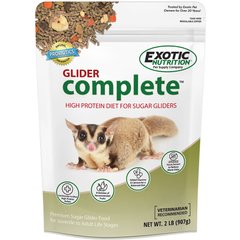
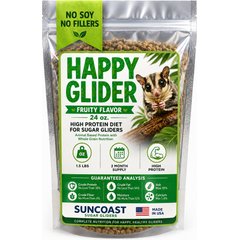
Another healthy diet is a combination of 75% commercially prepared glider pellets and 25% fresh produce daily, with a calcium-based multivitamin every other day.
Recommended Products
Always make sure they have access to clean, fresh water in a water bottle they can’t chew through.
Since they are nocturnal, feed your sugar gliders in the evening.
Wash all fresh produce to remove pesticide residue, as sugar gliders are very sensitive to chemicals.
Safe foods include:
- Arugula
- Bibb lettuce
- Dill
- Radicchio
- Unsweetened applesauce
- Plain yogurt
- Scrambled eggs
- Plain cooked chicken
- Mango
- Papaya
- Blueberries
- Mealworms and gut-loaded crickets a few times per week
Limit the following foods because of their high oxalate content:
- Raspberries
- Strawberries
- Blackberries
- Spinach
- Carrots
- Beets
- Pears
- Figs
- Collard greens
Never feed: chocolate, garlic, onions, canned fruit, peanuts, corn, anything high in fat or salt, anything moldy, or improperly stored food.
Sugar Glider Handling and Grooming
When you first bring home your sugar gliders (hopefully in pairs or groups), give them time to settle in. They’re prey animals who can be very timid, so be patient. You can also place a small piece of recently worn clothing in their cage so they can get used to your scent.
Bonding pouches that allow your sugar glider to rest against you during the day are also helpful. They give your glider time near you to begin to feel safe with you.
Recommended Product

Even though it’s tempting, never use a harness or collar. The patagium, which is the skin membrane that stretches from their front feet to their back legs and allows them to glide, is extremely delicate.
Part of a sugar glider’s daily enrichment should include supervised playtime outside the cage. But before they come out, take time to make sure they’ll be safe. Set up a room with a door that closes and no open windows. Remove or secure any dangerous items like open toilets, hot light bulbs, curtains, fans, and window blinds.
Sugar gliders are self-groomers and will “spit” into their hands to bathe themselves, much like a cat. They even have nails on the backs of their toes, called “grooming nails,” which work like combs.
Sugar Glider Health
Schedule annual wellness exams with an exotic animal veterinarian. Healthy sugar gliders are alert, inquisitive, and active. They also have clear eyes and thick, full fur.
Unfortunately, their small bodies and fast metabolisms allow illnesses to worsen quickly. Keep a close eye on their weight, fur condition, droppings, appetite, and daily activity level. If you notice something off, make an appointment as soon as possible.
Common sugar glider health issues include:
- Metabolic bone disease
- Obesity
- Dental disease
- Giardia
- Dehydration
- Stress and self-harm
- Respiratory infections
- Parasites
- Aflatoxin poisoning
Medical emergencies can quickly become fatal. Schedule a same-day vet visit for problems like lethargy during your sugar glider’s active hours, appetite loss, tented skin (skin that stays up when you pinch it gently), difficulty breathing, dragging their hind legs, visible wounds, or self-inflicted injuries. Also look out for a dull coat and closed eyes.
Supply Checklist for Sugar Gliders
- Tall powder-coated or enamel-finish wire cage, minimum 24” x 36” x 48” with bar spacing ½-inch or less
- Secure cage latch and/or lock
- Bedding/substrate
- Fleece sleeping pouches
- Nest boxes
- Branches, perches, and shelves at multiple heights
- Exercise wheel with solid back and no center bar
- Foraging and puzzle toys
- Toy box with small trinkets
- Bonding pouch
- Sugar glider pellets
- Fresh produce
- Protein sources
- Calcium-based multivitamin supplement
- 2+ water bottles, plus spares for daily rotation
- Travel carrier
- Nail trimmers
FAQs About Sugar Gliders
What is a sugar glider?
A sugar glider is a small, nocturnal marsupial native to Australia, New Guinea, and Indonesia. They glide through the air using a skin membrane that stretches from their wrists to their ankles.
How long do sugar gliders live?
In the wild, sugar gliders live 4–5 years. However, as pets with proper care, they can live 12–15 years, occasionally up to 18 years.
How big do sugar gliders get?
Adult sugar gliders are very small and only weigh 4–5 ounces.
What’s the difference between a flying squirrel and a sugar glider?
The biggest difference is their classification. Squirrels are rodents, while sugar gliders are marsupials, like kangaroos, who raise their young in a pouch. They also have different lifespans, dietary needs, and care requirements.
How much does a sugar glider cost?
Most often, sugar gliders cost $200–$500, but the bigger cost is the setup. A proper enclosure can more than double your investment.
Where do sugar gliders live in the wild?
Sugar gliders live in the forests and grasslands of Australia, Tasmania, Indonesia, and Papua New Guinea.
What do sugar gliders eat?
They’re omnivores. In the wild they eat nectar, tree sap, bird eggs, insects, fruit, and pollen. As pets, they need a carefully balanced diet that mimics the wild diet’s nutritional balance.
Are sugar gliders good pets?
They can be good pets for experienced pet parents, as they are affectionate, intelligent, and entertaining. However, they are not suitable for beginners.