Chinchilla Care Sheet


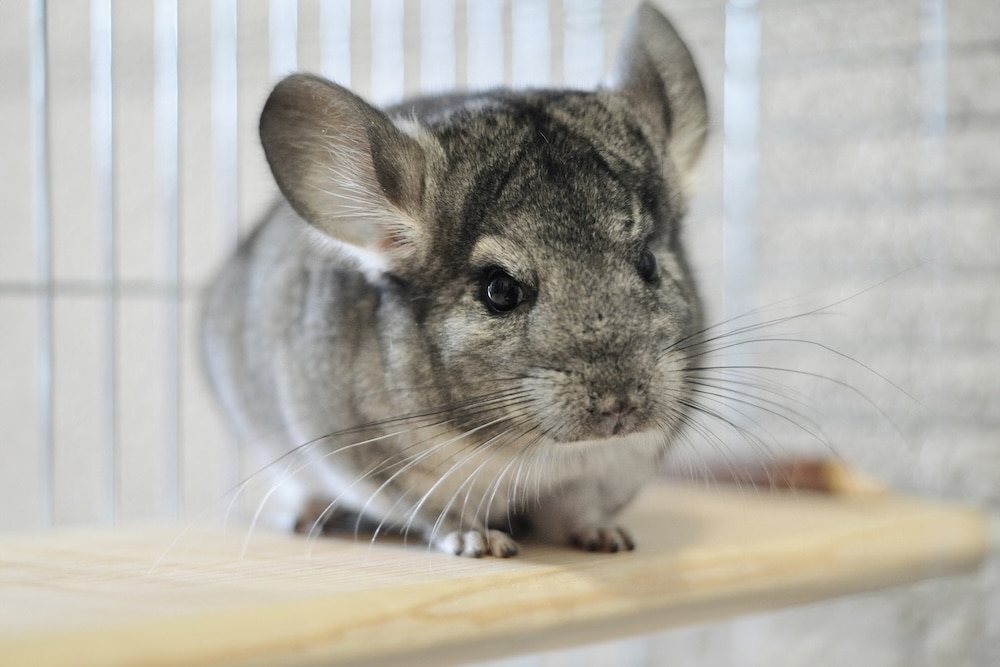
Photo by andrbk/iStock/Getty Images Plus
Chinchillas are playful and adorable small pets with a long lifespan of 9–15 years, but they have specific needs you should know before bringing one home. This guide covers the basics to get your started.
Chinchilla Overview
- Most pet chinchillas are a cross between the short- and long-tailed chinchillas and descendants of 11 animals imported into the U.S. in the 1920s.
- A chinchilla’s lifespan is 10–20 years, making it one of the longest-lived rodents in the world.
Fun Facts About Chinchillas
- Chinchilla fur is the densest of any land animal, with up to 60 hairs from a single follicle.
- Chinchilla moms are pregnant for 111 days, longer than any other rodent.
- They can jump up to 6 feet vertically and run up to 15 miles per hour.
Chinchilla Cages
Social, active, and curious, chinchillas need, at minimum, a 24” x 24” x 48” enclosure or larger. They love chewing, so chew-resistant wire cages are a must—plus, wire cages provide excellent ventilation.
Recommended Products

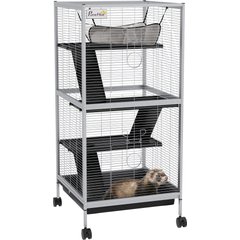
Be sure the bars are spaced no more than an inch apart, and use a plastic tray on the bottom of the cage to keep your chinchilla off wire and prevent foot sores.
Place your chinchilla’s cage where your family spends time, away from direct sunlight, drafts, and heat sources.
Chinchillas’ dense fur makes them very sensitive to heat, and they need a steady temperature of 55–70 F that never rises above 80 F, while their humidity should stay below 40–50%.
Be sure to include plenty of hides and chews, along with multiple levels, ramps, and shelves, in your chinchilla’s cage. They also enjoy solid-surface exercise wheels and tunnels.
Recommended Products
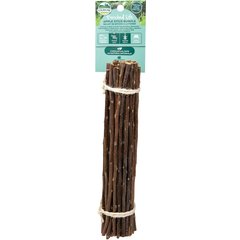
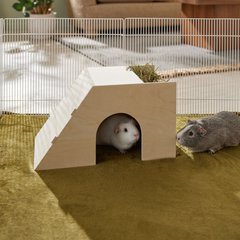
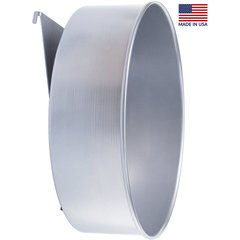
Keep a selection of toys you can rotate every so often to keep your chinchilla mentally and physically active.
A chinchilla’s teeth grow constantly, so always provide safe chews like white pine or apple wood, but never give them cedar, cherry, or redwood.
Chinchillas need thick bedding to absorb waste and give them digging opportunities.
Recommended Products
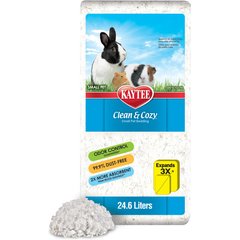
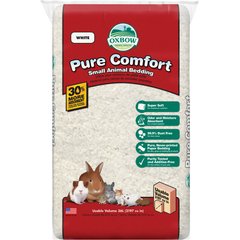
Never use wood shavings; chinchillas may eat it and can’t vomit, leading to a possible intestinal blockage. Safe options include 1–2 inches of crumpled paper and high-quality paper bedding.
Before Bringing Home a Chinchilla
Chinchillas aren’t low-maintenance pets, and aren’t always the best fit for young children. They move quickly, don’t enjoy frequent handling, and can be injured if grabbed or dropped. They’re also very heat-sensitive, so if you live somewhere with hot summers, reliable air conditioning is required.
What Do Chinchillas Eat?
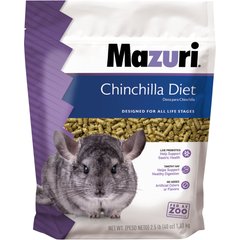
These rodents need a high-fiber diet, so provide an unlimited supply of high-quality hay, such as Timothy, meadow, or orchard grass, along with about 2 heaping tablespoons of chinchilla-specific pellets per day.
Recommended Products

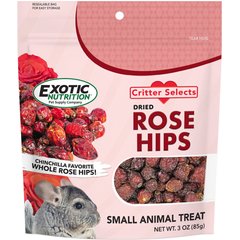
Once or twice per week, treats like rose hips and petals, hibiscus leaves, dried berry branches, dandelion leaves, plain cherries, blackberry leaves, and small bits of apple or carrot are wonderful. Limit treats to no more than 10% of their diet.
Also, mixes with seeds, dried foods, fruits, or nuts are too fatty and sugary and shouldn’t be fed to chinchillas.
Recommended Products

Be sure your chinchilla has free access to plenty of clean water. Fresh water in a sipper bottle is ideal because it’s easy for them to drink from.
Note: Never feed a chinchilla chocolate, caffeine, alcohol, seeds, nuts, raisins, high-fat foods, or anything treated with pesticides.
Chinchilla Handling and Grooming
Never grab a chinchilla by the tail or legs, and hold them very gently—they have delicate skeletons and are injured easily.
Chinchillas aren’t usually interested in being held; they’re active animals who won’t sit still for long. Before you try to hold them, spend time earning a little trust by sitting near their cage and speaking softly. You can also offer treats when your chinchilla approaches you, but don’t force interaction.
If you do pick up your chinchilla, be careful. Cradle them in your arms, sort of like a football, to keep them from kicking with their hind legs to escape.
Chinchillas are careful self-groomers, and their fur is some of the densest in the world. It can take days to dry, putting them at a higher risk for fungal infections if they get wet.
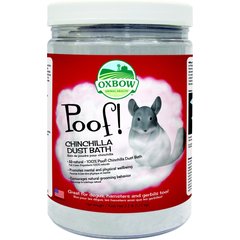
Offer a chinchilla-safe dust bath two to three times per week for 15–30 minutes at a time. You can also use a soft-bristled brush to gently brush in the same direction as their fur growth.
Recommended Product
However, if you’re not sure about chinchilla grooming, talk with your exotic animal vet for recommendations.
Their nails grow quickly, so regular trims are a must. But if you’re not sure how to do it or just want a little help, contact your veterinarian to have them show you how to safely trim their nails.
Chinchilla Health
Like many animals, chinchillas hide illness well, but even small changes in behavior, appetite, or droppings can be symptoms of a serious problem, so it’s important to monitor your pet daily.
Anytime you are concerned, contact your exotic vet, and do not give your pet any medication unless your vet prescribes it—many standard medications can be fatal to your chinchilla.
Watch out for signs of illness like the following:
- Drooling
- Appetite loss
- Heat stroke (panting, red ears, lethargy)
- Diarrhea or irregular droppings
- Fur loss or bald patches
- Difficulty breathing
- Hunched posture
- Red or watery eyes
- Limping
- Closed eyes for long periods of time
Supply Checklist for Chinchillas
- Multi-level wire cage (at least 24” x 24” x 48” with bar spacing 1” or less)
- Solid cage floor or plastic tray
- Paper or fleece bedding
- At least one hide
- Solid-surface exercise wheel
- Shelves and ramps for climbing
- Hay rack
- Chinchilla-specific pellets
- Sipper water bottle
- Chew-resistant food bowl (ceramic or similar)
- Dust bath container (6” x 6” x 12” or larger)
- Chinchilla-safe pumice dust
- Soft-bristled grooming brush
- Small-animal nail clippers
- Selection of chew toys (apple wood, white pine)
- Tunnels
- Travel carrier
- Thermometer and hygrometer to track room temperature and humidity
FAQs About Chinchillas
What is a chinchilla?
Chinchillas are small, furry rodents native to high-altitude, rocky areas in South America. They have the densest fur of any land animal, with up to 60 hairs per hair follicle.
How long do chinchillas live?
In captivity they can live 9–15 years with good care, and many live 15 years or more.
How big do chinchillas get?
Like most rodents, chinchillas are pretty small. As adults, they average 9–14 inches long, and their tail adds another 3–6 inches.
Are chinchillas good pets?
It depends on what you want in a pet, as they aren’t cuddly but are fun to watch. It also depends on whether you can keep their environment at a safe temperature and humidity level, as they’re very sensitive.
How much does a chinchilla cost?
In pet stores, chinchillas average about $200. They can cost more from breeders who offer special color morphs like pastel, chocolate, mosaic, and violet.
Where do chinchillas live in the wild?
They’re rare in the wild now, but chinchillas are native to the high, rocky mountains of South America, in Chile, Argentina, Bolivia, and Peru.
Attributions