How Long Do Hedgehogs Live? A Hedgehog Lifespan Guide



Photo by Chewy
With their tiny faces and distinctive quills, hedgehogs are certainly charming—but bringing one home is a long-term commitment. Pet hedgehogs typically live five to eight years with good care, and some live longer.
While genetics play a role, proper housing, balanced nutrition, exercise, and regular veterinary care can help your hedgehog enjoy a long, healthy life. Here’s how.
Key Takeaways
- Pet hedgehogs typically live five to eight years with good care, though individual lifespans vary.
- A hedgehog's lifespan depends on genetics, housing, temperature, nutrition, exercise, stress, and veterinary care.
- Hedgehogs are nocturnal and generally solitary, so they need opportunities for nighttime activity and a calm environment during the day.
- Before bringing a hedgehog home, check local laws and find an exotic-pet veterinarian who treats hedgehogs.
How Long Do Hedgehogs Live?
Most pet hedgehogs in the U.S. are African pygmy hedgehogs, a common name for domesticated hedgehogs with African four-toed hedgehog ancestry.
These small pets need warm housing, nighttime exercise, appropriate nutrition, gentle handling, and regular veterinary care to support their five-to-eight-year lifespan.
Hedgehogs also aren’t legal everywhere. Check state and local laws, as well as any housing restrictions, before bringing one home.
What Impacts a Hedgehog’s Lifespan?
Several factors affect how long a hedgehog lives, including temperature, housing, nutrition, activity, and preventive health care.
Temperature and Housing
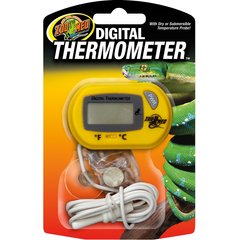
Hedgehogs need a warm, stable environment, typically around 75–85 F. Temperatures that drop too low can cause torpor, a potentially dangerous condition. Use a thermometer to monitor their habitat.
Provide enough space for a hiding spot, food, water, a litter area (if used), and a solid-surface exercise wheel. Avoid wire flooring, which can injure feet, and high platforms that could lead to falls.
Nutrition and Weight
Hedgehogs are insect-eating omnivores who need a balanced diet appropriate for their needs. Work with an exotic-pet veterinarian to choose a commercial hedgehog food, portion sizes, and suitable treats, such as insects.
Because weight changes can be difficult to notice beneath their quills, weigh your hedgehog regularly to monitor for gains or losses.
Exercise, Enrichment, and Stress
Hedgehogs are nocturnal and need opportunities for activity at night. A safe exercise wheel, tunnels, hiding spots, and supervised exploration provide exercise and enrichment.
Hedgehogs are also generally solitary. While some enjoy gentle interaction, forced handling, daytime disturbances, and frequent habitat changes can cause stress.
Preventive Health Care
Hedgehogs can develop dental disease, skin problems, parasites, obesity, injuries, reproductive disease, and tumors. Because they often hide illness, establish care with an exotic-pet veterinarian before health problems arise.
Monitor your hedgehog for changes in appetite, droppings, weight, breathing, movement, quill condition, or willingness to unroll.
Ask your veterinarian how often to schedule wellness exams, particularly as your hedgehog ages or develops chronic health concerns.
How To Help Your Hedgehog Live a Longer Life
Consistent daily care can help keep your hedgehog healthy:
- Check local regulations. Confirm hedgehogs are legal where you live, choose a reputable source, and schedule a new-pet veterinary exam.
- Maintain a warm habitat. Use a thermometer, avoid drafts, and review hedgehog habitat requirements before bringing your pet home.
Recommended Product
- Provide nighttime exercise. Choose a solid-surface wheel, such as the Exotic Nutrition Silent Runner Small Animal Exercise Wheel, that fits your habitat and your veterinarian’s recommendations.
Recommended Product

- Feed measured portions. Work with your veterinarian to select appropriate hedgehog food and avoid overfeeding.
Recommended Product

- Monitor their weight. Use a small digital scale and keep a log to help identify changes early. Ask your veterinarian what weight range is healthy for your hedgehog.
Recommended Product

- Keep their habitat clean. Spot-clean regularly, replace bedding as needed, and check feet for redness, swelling, sores, or trapped fibers.
- Watch for signs of illness. Contact your veterinarian if you notice appetite loss; weight loss; loose stool; noisy breathing; limping; lumps; dry, flaky skin; or prolonged curling.
Attributions
This article was created with assistance from AI tools. The content has been reviewed for accuracy and edited by a human.