Can Rabbits Have Blueberries?


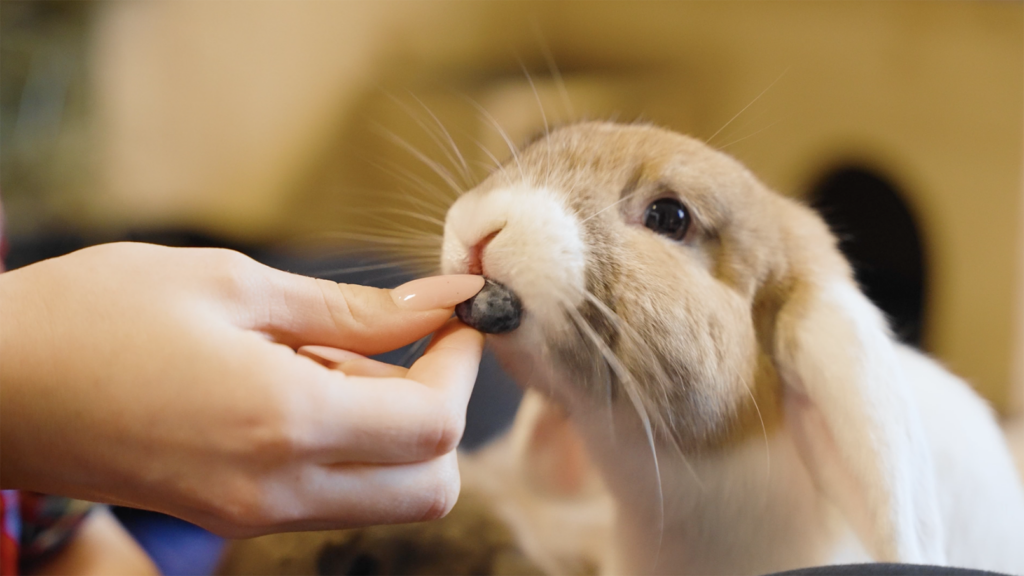
Photo by Adobe/blackboxguild
Blueberries are perfectly sized for a quick bunny treat—but can rabbits have blueberries?
Yes, adult rabbits can eat a few fresh blueberries as an occasional treat. But because they’re naturally high in sugar, a little goes a long way—and blueberries should never start taking the place of the foods rabbits really need, especially rabbit hay, fresh greens, and measured rabbit pellets.
Always check with your veterinarian before offering new foods to your rabbit.
Key Takeaways
- Yes, adult rabbits can have blueberries, but only in small amounts as an occasional treat. They shouldn’t be an everyday addition to their diet.
- Blueberries contain natural sugar, and eating too many can upset a rabbit’s sensitive digestive system. Hay should still make up most of their diet.
- Stick with fresh, plain blueberries. Skip dried or sweetened berries and blueberry-containing foods like muffins, yogurt, jam, and other desserts.
Can Rabbits Eat Blueberries?
Yes, adult rabbits can eat fresh, plain blueberries in small amounts. Both conventional and organic blueberries are safe, and rabbits can eat wild blueberries, too, as long as you know they haven’t been exposed to pesticides or other chemicals.
Fresh blueberries are the best choice. Avoid:
- Dried blueberries: They’re much more concentrated in sugar and may also contain added sweeteners.
- Canned or sweetened blueberries and blueberry-containing foods: Muffins, pancakes, yogurt, jam, and similar foods contain added sugar, fat, dairy, and other ingredients that aren’t good for rabbits.
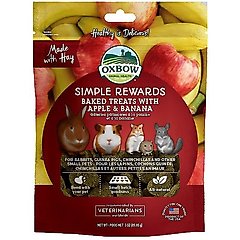
Looking for an even easier treat option? Treats made especially for rabbits. Some good options include:
Recommended Products

Are Blueberries Good for Rabbits?
Blueberries can be a healthy treat for rabbits when you keep portions small, but think of them as a fun extra rather than an important source of nutrition. Rabbits eat so few blueberries at a time that they’re unlikely to get meaningful amounts of vitamins or minerals from them.
That said, blueberries do have a few upsides, including:
- Some fiber: Blueberries contain fiber, which can contribute to healthy digestion and help keep food moving through your rabbit’s digestive tract.
- Antioxidants: Blueberries contain plant compounds called anthocyanins, which act as antioxidants and help protect cells from oxidative damage.
- A little extra hydration: Fresh blueberries are mostly water, so they contribute a small amount of fluid alongside your rabbit’s regular water intake.
- Variety and enrichment: Many rabbits enjoy sweet foods, so an occasional blueberry can add some variety to their usual foods or work as a high-value reward.
Are Blueberries Bad for Rabbits?
Blueberries aren’t bad for rabbits when served in small amounts, but too many blueberries can upset the delicate balance of a rabbit’s digestive system.
The biggest concerns are:
- Too much sugar: Rabbits’ digestive systems are designed for a high-fiber, low-sugar diet. Too much sugar can disrupt the delicate balance of bacteria in the gut, which may cause soft stool, diarrhea, gas, bloating, or appetite changes.
- Less room for hay: A rabbit who fills up on blueberries and other treats may eat less hay. Hay provides the fiber rabbits need to keep food moving through their digestive tract. Without enough fiber, gut motility can slow, increasing the risk of GI stasis, a potentially life-threatening condition in which the digestive system slows down or stops moving normally.
- Spoiled berries: Moldy or spoiled fruit can make your rabbit sick. Rather than trying to salvage blueberries that are moldy, slimy, or past their prime, toss out or compost them.
How Many Blueberries Can My Rabbit Eat?
For most healthy adult rabbits, one or two blueberries once a week is plenty for a treat. If blueberries are new to your rabbit, start with just half of a berry or one small berry and see how they tolerate it before offering more.
And remember that blueberries count toward your rabbit’s total treats for the day. If you’re offering fruit, scale back other sweet treats rather than adding blueberries on top of them.
If your rabbit has ongoing digestive problems, a history of GI stasis, or another health condition that may affect what they should eat, talk to your veterinarian before adding fruit to their diet.
How To Safely Feed Blueberries to Your Rabbit
Blueberries don’t require much prep, but a few simple steps can make treat time safer.
If your vet says blueberries are OK for your bunny:
- Choose fresh, ripe berries. Skip any blueberries that are moldy, mushy, or starting to spoil.
- Wash them well. Rinse blueberries under running water to remove dirt and potential pesticide residue,
- Cut them if needed. Most rabbits can manage a small blueberry whole, but you can cut larger berries in half, especially for smaller rabbits.
- Remove any tough stems.
- Pick up any uneaten fruit before it gets mushy or starts to spoil.
My Rabbit Ate Too Many Blueberries—What Do I Do?
If your rabbit helped themselves to a few too many blueberries, remove the rest and keep a close eye on them. A little overindulgence may cause digestive upset, but how your rabbit is eating, acting, and pooping afterward can tell you a lot about whether there’s cause for concern.
Call your veterinarian if you notice:
- Diarrhea or unusually soft stool
- Gas or a bloated belly
- Reduced appetite
- Fewer or smaller droppings
- Low energy or other unusual behavior
- Teeth grinding, a hunched posture, or other signs of pain
If your rabbit stops eating or pooping, call your veterinarian right away. These can be signs of GI stasis, which can become life-threatening and requires prompt veterinary treatment.
If your rabbit got into a blueberry-containing food with other potentially harmful ingredients, you can also contact the Pet Poison Helpline (855-764-7661) for guidance. The service is available 24/7.
What Other Fruits Can Rabbits Eat?
Blueberries aren’t the only fruit your bunny can enjoy. Some other rabbit-safe options include:
- Apples
- Bananas
- Blackberries
- Cantaloupe
- Strawberries
- Watermelon
Remember, keep portions small and introduce new varieties gradually.
FAQs About Blueberries for Rabbits
Can baby rabbits eat blueberries?
It’s best to hold off on blueberries for baby rabbits. Young rabbits have especially sensitive digestive systems and do best on foods appropriate for their stage of growth. Ask your veterinarian when your bunny is ready to start trying fruit.
Can rabbits eat dried blueberries?
Dried blueberries aren’t the best choice for rabbits. Removing the water concentrates the sugar, making it especially easy to overfeed. Some dried blueberries also contain added sugar.
Can rabbits eat frozen blueberries?
Yes, rabbits can eat frozen blueberries once they’re completely thawed. Choose plain, unsweetened berries with no added ingredients, and offer the same small portion you would if they were fresh. Keep in mind that thawed blueberries can get pretty mushy, so your rabbit may make a bit more of a mess with them.
Can rabbits eat blueberry muffins?
No. Blueberry muffins are high in carbohydrates, sugar, and fat and don’t provide the fiber rabbits need to keep their digestive systems moving normally. They may also contain dairy, which rabbits can’t digest well, or chocolate, which contains theobromine that can be toxic to rabbits.
Attributions
This article was created with assistance from AI tools. The content has been reviewed for accuracy and edited by a human.