Rabbit Urine Color Guide: Everything Pet Parents Should Know

Photo by Andrii Lysenko/iStock/Getty Images Plus
Rabbit urine color can vary more than you might expect.
Normal rabbit pee can range from pale yellow to orange, brown, or even reddish, and its color can change with diet, hydration, and naturally occurring pigments.
So an unusual-looking puddle in your rabbit’s litter box doesn’t automatically mean something is wrong. However, changes in urine can sometimes signal urinary or reproductive disease, especially when accompanied by straining, discomfort, or changes in appetite or behavior.
Here’s what different colors of rabbit urine may mean, and when to call your veterinarian.
Key Takeaways
- Normal rabbit urine can range from pale yellow to orange, brown, or reddish.
- Diet, hydration, and plant pigments all affect urine color.
- Red urine doesn’t always contain blood, but true blood warrants veterinary attention.
- Some cloudiness from calcium is normal; thick or gritty urine is not.
- Watch your rabbit’s appetite, behavior, and litter habits, not just their urine color.
What Does Rabbit Urine Color Mean?
When it comes to the color of rabbit urine, there is no single standard for what is considered normal.
Healthy rabbit urine can range from pale yellow to orange, brown, or reddish. It may also look cloudy or leave a whitish residue as it dries, because rabbits naturally excrete calcium in their urine.
That’s why urine color is most useful when considered alongside how your rabbit is acting.
A rabbit with orange urine who is eating, drinking, pooping, and urinating normally is very different from one who is hunched, not eating, or straining in the litter box.
Rabbit Urine Color Chart
| Urine Color or Appearance | What It May Mean | When to Call the Vet |
|---|---|---|
| Pale yellow | Typically normal | Usually not necessary unless your rabbit has other symptoms |
| Yellow | Typically normal | If accompanied by changes in appetite, behavior, or urination |
| Orange | Often related to normal urinary or dietary pigments | If the change persists or your rabbit seems unwell |
| Red | May be caused by plant pigments, but can also indicate blood | Contact your veterinarian if blood is suspected or your rabbit has other symptoms |
| Brown | May be caused by normal pigments or more concentrated urine | If it persists or your rabbit seems unwell |
| White or cloudy | Some cloudiness from calcium excretion can be normal | If urine is thick, gritty, or sludge-like, or your rabbit is straining |
Why Does Rabbit Urine Change Color?
Rabbit urine color varies naturally due to diet, hydration, plant pigments (like beta-carotene), stress, medications, or underlying urinary or reproductive tract disease. Pigmented urine often mimics blood, so color alone isn’t enough information for a diagnosis.
- Plant pigments: Pigments in your rabbit’s diet can make their urine orange, rust-colored, brown, or red, which can closely resemble blood.
- Hydration: Water intake dictates urine concentration. Provide continuous access to fresh water via a sturdy bowl or bottle.
- Calcium: Rabbits excrete excess dietary calcium through their kidneys, causing normal cloudy or chalky urine. However, excess calcium can form thick, gritty bladder sludge. Risk factors include obesity, inactivity, low water intake, high-calcium foods (like alfalfa for adult rabbits), and conditions reducing urination frequency, such as arthritis.
- Medications: Certain drugs, including antibiotics, can alter urine color. Consult your vet if observed.
- Urinary or Reproductive Disease: True blood can stem from bladder inflammation, infection, sludge, or stones. In unspayed females, blood may originate from the uterus, signaling severe uterine disease that requires prompt veterinary care.
- Stressful events: Changes in your rabbit’s life, like travel or a new home, can also temporarily change urine color.
When Is Rabbit Urine Color a Cause for Concern?
Rabbit urine color is more concerning when the change persists or occurs with other signs of illness.
Contact your veterinarian promptly if your rabbit has:
- Straining, frequent attempts to urinate, or difficulty urinating
- Confirmed or suspected blood in the urine
- Thick, gritty, or sludge-like urine
- Urine dribbling, urine-soaked fur, or red, irritated skin around the hind end (urine scald)
- Loss of appetite
- Lethargy or decreased activity
- Signs of pain, such as a hunched posture or tooth grinding
Rabbits often hide signs of illness, so treat any change in behavior, eating, or bathroom habits seriously.
A vet can run a urinalysis to determine if red urine is due to pigmentation or blood, and they can use imaging to check for stones or sludge.
Seek immediate emergency care if your rabbit strains without producing urine or stops eating or pooping.
Rabbit Urinary Health Tips
While not all urinary issues can be prevented, you can take measures to support your rabbit’s urinary health.
- Always keep fresh, clean water available and watch for changes in how much your rabbit drinks.
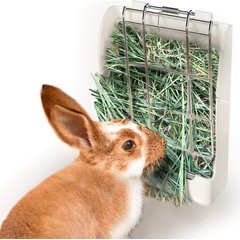
- Feed a balanced, hay-based diet. Adult rabbits should have unlimited access to grass hay, such as timothy hay. A hay feeder can help keep it clean and appealing. Ask your veterinarian what type of pellets and vegetables are right for your rabbit.
Recommended Products


- Keep the litter box clean. A clean litter box makes it easier to spot changes in the amount, color, and consistency of bunny urine. Use a rabbit-safe litter and change it regularly.
Recommended Product

- Pay attention to patterns. One unusual urine spot in an otherwise healthy rabbit is less concerning than a persistent change or one paired with changes in appetite, behavior, or urination.
- Schedule veterinary care when something seems off. If a change persists or your rabbit shows other signs of illness, contact a veterinarian who treats rabbits.
FAQs About Rabbit Urine Color
What color should rabbit urine be?
Normal rabbit urine can range from pale yellow to orange, brown, or reddish, and it may even look slightly cloudy from calcium excretion.
Is orange rabbit urine normal?
Yes, orange rabbit urine can be normal. Plant pigments and other dietary compounds can turn rabbit urine orange or reddish orange. If the color persists or your rabbit seems unwell, contact your veterinarian right away.
Why is my rabbit’s urine red?
Red rabbit urine is often caused by natural plant pigments and doesn’t necessarily mean your rabbit is peeing blood. However, blood can come from urinary tract inflammation, infection, or bladder stones. In unspayed females, it can also come from the uterus.
Is white rabbit urine normal?
Some cloudiness or whitish residue can be normal because rabbits excrete excess calcium through their kidneys. However, consistently thick, gritty, or sludge-like urine may indicate bladder sludge and should be checked by a veterinarian.
How can I tell if my rabbit has blood in their urine?
You often can’t tell just by looking, since normal pigments can closely resemble blood. One clue is that blood often appears as spots, streaks, or clots in otherwise normal-colored urine, while pigments often color the urine evenly. A veterinarian can check a urine sample for blood and recommend further testing if needed.
When should I call my veterinarian about rabbit urine color?
Call your veterinarian if you suspect blood in your rabbit’s urine or notice straining, frequent urination attempts, thick or gritty urine, appetite loss, lethargy, or signs of pain.
Attributions