How Often Should Rabbits Poop?

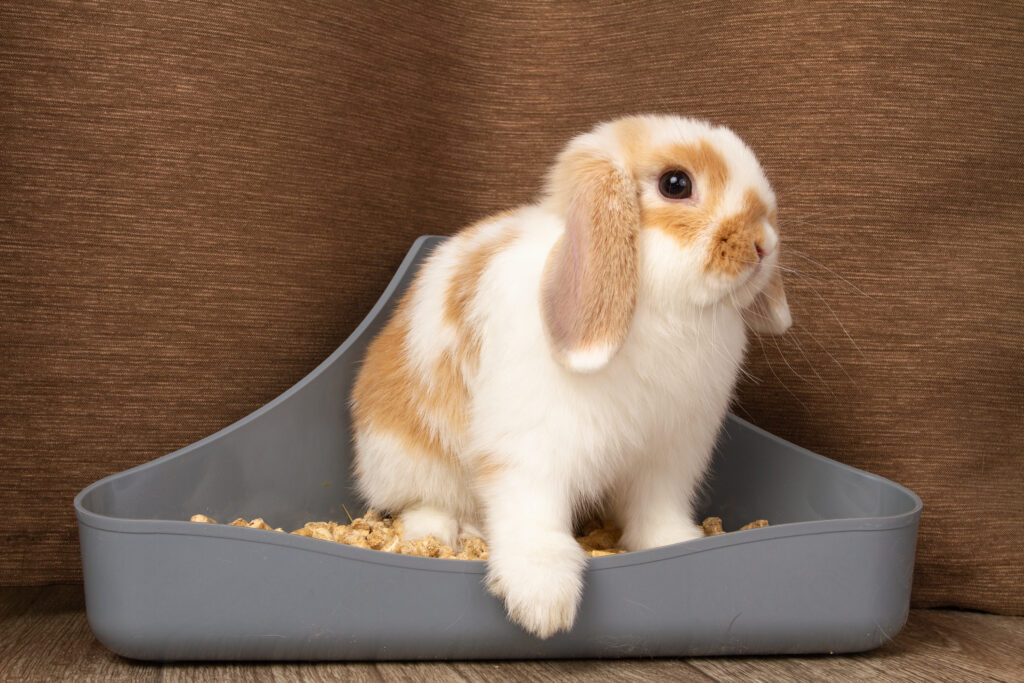
Photo by PavelRodimov/iStock/Getty Images Plus
Rabbit poop can tell you a lot about your bunny’s health.
So how often should rabbits poop?
Healthy rabbits produce fecal pellets frequently through the day and night.
While the exact number varies from rabbit to rabbit, a healthy rabbit may produce several hundred fecal pellets in a day.
Changes in the number, size, shape, or consistency of your rabbit’s poop can be a sign that something is wrong.
Key Takeaways
- Healthy rabbits can produce several hundred fecal pellets in a 24-hour period.
- A rabbit's poop should be round, firm, dry, and consistent in size.
- Rabbits also produce softer, nutrient-rich droppings called cecotropes, which they normally then eat.
- Fewer droppings, unusually small pellets, or no poop at all warrant prompt veterinary attention.
How Often Should Rabbits Poop?
Healthy rabbits poop frequently, day and night.
There isn’t one exact number for every rabbit, but up to several hundred hard fecal pellets per day can be normal.
The exact number is less important than knowing what is normal for your individual rabbit. Regular litter box cleaning will show you what’s normal for your bunny, and a noticeable drop is more telling than an exact count.
Rabbits produce a lot of poops because their digestive systems are designed to process fibrous plant material all day. Regular eating and normal fecal production show that food is moving through the gastrointestinal (GI) tract.
What Does Healthy Rabbit Poop Look Like?
Normal rabbit fecal pellets are generally:
- Round
- Firm
- Dry
- Fairly uniform in size
A sudden shift to much smaller pellets can mean your rabbit is eating less, and it may signal a GI issue or other health problem.
Rabbits also produce a second type of dropping called cecotropes.
Cecotropes are soft, nutrient-rich clusters produced after the gastrointestinal system ferments food.
They may resemble a cluster of grapes and are softer, shinier, and smellier than ordinary fecal pellets.
Rabbits normally eat cecotropes as they pass, so you may rarely see them.
This process, called cecotrophy, allows rabbits to absorb important nutrients produced during GI fermentation, including vitamins and microbial protein.
If you find soft stool but your rabbit is also producing normal hard fecal pellets, you may be seeing uneaten cecotropes.
Liquid or unformed diarrhea, especially without normal fecal pellets, requires veterinary attention.
Why Do Rabbits Poop So Much?
Rabbits are hindgut fermenters with a fast-moving digestive system designed to continuously process a high-fiber diet.
In the wild, rabbits graze throughout the day, and the frequent intake of fibrous food helps keep material moving through the gastrointestinal tract.
This normal movement, called gut motility, is essential for healthy digestion and explains why rabbits produce fecal pellets so frequently.
It’s also why constant access to grass hay, along with regular eating throughout the day, is so important for an adult rabbit’s digestive health.
Recommended Products

When Should You Worry About Your Rabbit’s Poop?
A significant change in your rabbit’s fecal output can signal a problem, especially if your rabbit is also eating less than normal.
Contact a veterinarian immediately if you notice:
- Significantly fewer fecal pellets than normal
- Very small or misshapen pellets
- No fecal pellets
- Diarrhea or soft stool that isn’t cecotropes
- Mucus-covered pellets
- Decreased appetite or refusal to eat
- Lethargy, hiding, or other changes in behavior
- Signs of discomfort, such as sitting hunched up or grinding the teeth
Rabbits can develop significantly slower movement through the GI tract, known as gastrointestinal hypomotility or GI stasis.
Reduced appetite and decreased fecal production are common warning signs.
A rabbit who has stopped eating and stopped producing feces needs immediate veterinary care.
Going eight to 12 hours with little or no food or fecal output can indicate a serious problem and should not be treated as something to simply monitor overnight.
GI stasis can occur secondary to many problems, including pain, dental disease, dehydration, stress, an inappropriate diet, or an intestinal obstruction.
Treatment will depend on the cause, so your rabbit should be seen by a veterinarian rather than be treated at home.
How to Keep Your Rabbit’s Digestive System Healthy
A high-fiber diet is one of the most important ways to support normal rabbit digestion.
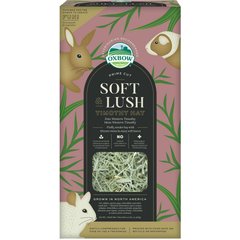
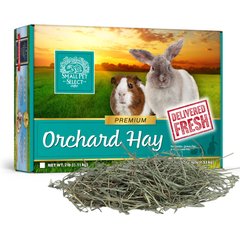
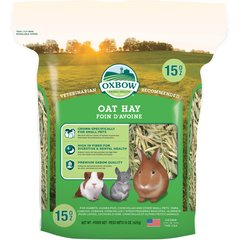
Healthy adult rabbits should have unlimited access to good-quality grass hay, such as Timothy, orchard, oat, or meadow hay.
Recommended Products
Fresh, clean water should also always be available.
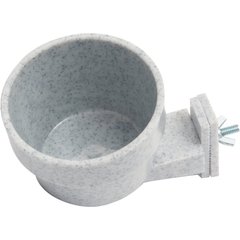
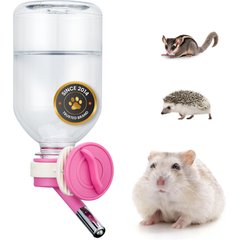
A heavy bowl or a water bottle work well. Check your rabbit’s water source often to ensure it isn’t dry or clogged.
Recommended Products
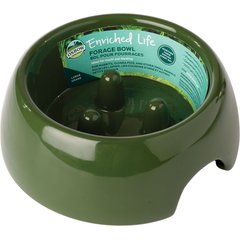
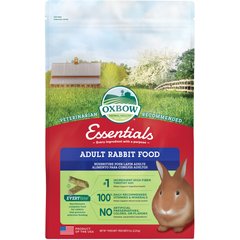
Fresh leafy vegetables can also be part of a balanced adult rabbit diet, along with an appropriate amount of high-fiber rabbit pellets.
Recommended Product
Introduce dietary changes gradually, because sudden changes can disrupt a rabbit’s sensitive GI system.
Daily activity and exercise are important too. Give your rabbit enough safe space to hop, explore, forage, and play.
Finally, keep an eye on the litter box.
Recommended Product
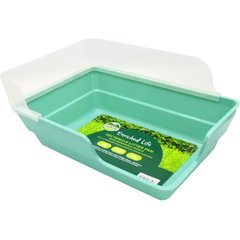
You don’t need to count every pellet, but regularly noticing the normal amount, size, and appearance of your rabbit’s feces can make subtle changes easier to recognize.
Routine exams by a veterinarian experienced in rabbit medicine are also an important part of preventive care.
Rabbits should have a veterinary exam at least once a year, even when they appear to be healthy.
FAQs About How Often Should Your Rabbit Poop?
How many times a day should a rabbit poop?
Rabbits produce fecal pellets frequently throughout the day and night. No single number applies to every rabbit, but healthy rabbits may produce several hundred hard fecal pellets per day.
Is it normal for rabbits to poop constantly?
Yes. Frequent fecal pellet production is normal for rabbits because their digestive systems are designed to process fibrous foods continuously throughout the day.
What does unhealthy rabbit poop look like?
Very small, misshapen, unusually soft, liquid, or mucus-covered stool can indicate a problem. A noticeable decrease in the number of fecal pellets is also concerning.
What should I do if my rabbit isn’t pooping?
Contact your veterinarian promptly, particularly if your rabbit has also stopped eating or is eating less than usual.
Why is my rabbit making small poop pellets?
Small fecal pellets can occur when a rabbit has eaten less food or when movement through the gastrointestinal tract has slowed. If the change persists or if your rabbit is also eating less, acting lethargic, or producing fewer pellets overall, contact your veterinarian.
What are cecotropes?
Cecotropes are soft, nutrient-rich droppings produced from material fermented in a rabbit’s cecum. They typically look like small, shiny clusters and have a stronger odor than normal fecal pellets.
Attributions
References
- Smith MV. Textbook of Rabbit Medicine. Elsevier; 2023. “Urination and Defecation.”
- Smith MV. Textbook of Rabbit Medicine. Elsevier; 2023. “Diagnosis and Treatment of Gastrointestinal Hypomotility and Prevention of Hepatic Lipidosis.” p. 156.
- Smith MV. Textbook of Rabbit Medicine. Elsevier; 2023. “Motility of the Hindgut.”
- Quesenberry KE, Orcutt CJ, Mans C, et al. Ferrets, Rabbits, and Rodents: Clinical Medicine and Surgery. 4th ed. Elsevier; 2021. “Cecotrophy and Intermittent Diarrhea.” p. 175.
- Mitchell MA, Tully TN. Manual of Exotic Pet Practice. Saunders Elsevier; 2009. “Nutrition.” p. 375.
- Mayer J. Nutrition of Rabbits. Merck Veterinary Manual. Updated September 2024.
- Pollock C. Hay: Feeding Small Herbivores. LafeberVet. March 29, 2011.
- Magnotti J. Gastrointestinal Stasis in Rabbits. LafeberVet. Updated June 8, 2022.
- Horton S. Gastrointestinal Stasis in Rabbits. Chicago Exotics Animal Hospital.
- Horton S. Healthy Stool in Rabbits. Chicago Exotics Animal Hospital.