Rabbit Diarrhea: Causes, Symptoms, Treatment, and Prevention


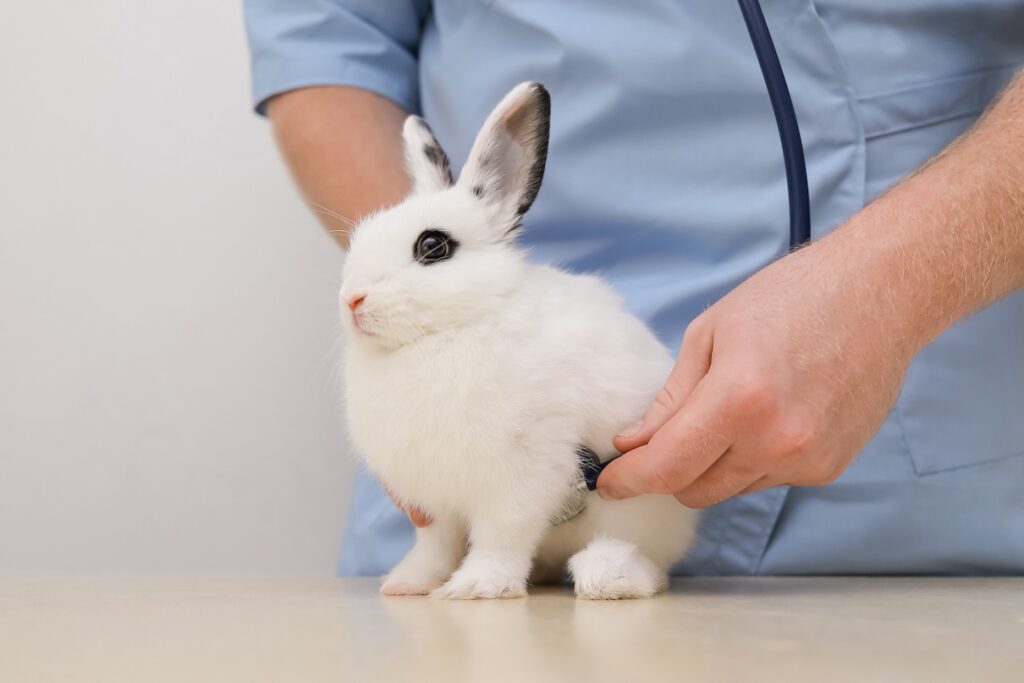
Photo by Kristina Pokaluk via Getty Images
Rabbits have sensitive digestive systems, and problems such as stress, an inadequate diet, infection, or illness can quickly lead to serious gastrointestinal symptoms.
True rabbit diarrhea is watery and unformed and may contain mucus or blood; because rabbits can become seriously ill quickly, contact a rabbit-savvy veterinarian immediately.
Key Takeaways
- True diarrhea in adult rabbits is rare, but it is more common in baby rabbits.
- Loosely formed cecotropes (night droppings) are easy to confuse with diarrhea and are often caused by stress or a poor diet.
- Coccidiosis, an infection caused by microscopic parasites called coccidia, commonly causes diarrhea in baby rabbits.
- Seek immediate veterinary care for watery diarrhea, especially your rabbit is lethargic, not eating, weak, or bloated.
What Does Rabbit Diarrhea Look Like?
True diarrhea in rabbits looks like an unformed, watery mess, sometimes with blood or mucus.
It’s easy to confuse rabbit diarrhea with cecotropes, soft, nutrient-rich droppings that rabbits normally reingest directly from the anus.
Here’s what to look for in your rabbit’s stool:
| Stool Type | Appearance | Is it Normal? | Other Symptoms to Watch For |
|---|---|---|---|
| Fecal pellets | Round, dry, easy to break apart, light brown | Yes, healthy rabbit poop | None |
| Cecotropes | Soft, shiny (mucus-covered), grape-like clusters, strong smell | Yes, though you rarely see them | Mushier-than-normal cecotropes that aren't eaten |
| Oddly shaped or poorly formed fecal pellets | Mushy, hard, dark, uneven, or strung-together pellets | May be an early sign of gut problems | Reduced appetite, less pellet output, discomfort |
| True diarrhea | Watery, sometimes with mucus or blood | No, this is an emergency | Lethargy, bloating, poor appetite, pain |
Why It’s Important to Know the Difference
Although confusing cecotropes with diarrhea may lead to an unnecessary visit, you should still discuss stool changes with your veterinarian, especially if your rabbit is eating less or producing fewer stools.
Symptoms Accompanying Rabbit Diarrhea
Diarrhea or other GI symptoms rarely occur alone. Pet parents should also look for other symptoms of illness:
- Poor appetite
- Lethargy
- Weight loss
- Pained body language, such as teeth grinding or a hunched body position
- Fecal material stuck to the hindquarters
- Abdominal bloating
- Fewer or smaller fecal pellets
What Causes Rabbit Diarrhea?
Many rabbits that appear to have diarrhea actually have soft cecotropes. This can happen when gut motility decreases.
In some rabbits, slowed digestion can progress to gastrointestinal (GI) stasis, a serious condition in which movement through the digestive tract slows or stops.
- Poor diet: A diet low in fiber and high in carbohydrates or protein is often to blame. This usually happens when rabbits aren’t eating enough hay.
- Stress: Rabbits are easily upset by changes in their living arrangements, travel, other animals that they view as predators, and loud noises. As a result, they may eat less, which slows food movement through their digestive tract.
- Underlying disease: Dental disease or other illnesses (like kidney or liver disease) can reduce a rabbit’s appetite and slow down the gut.
- Mobility challenges: Overweight rabbits or rabbits with arthritis may have difficulty grooming themselves or eating their cecotropes, causing soft stool to mat into the fur around the hindquarters.
Severe or long-standing GI stasis disrupts the balance of gut bacteria. This leads to more severe symptoms like complete lack of appetite, dehydration, lethargy, and abdominal pain.
True diarrhea in rabbits is relatively rare, especially in adults, but can be caused by:
- Parasites: Coccidiosis, an infection caused by microscopic coccidia parasites, commonly causes diarrhea in young rabbits.
- Antibiotic misuse: Certain oral antibiotics can disrupt the normal bacteria in a rabbit’s digestive tract, allowing toxin-producing bacteria to overgrow and potentially causing severe diarrhea or enterotoxemia.
- Bacterial or viral infections: Bacterial intestinal infections, and less commonly viral infections, can cause diarrhea, particularly in young rabbits.
- Gut and dietary imbalances: Disruptions in gut motility, intestinal bacteria, and diet may contribute to mucoid enteropathy, a mucus-heavy form of diarrhea seen primarily in young rabbits.
Is Rabbit Diarrhea an Emergency?
Yes, true rabbit diarrhea is an emergency.
Contact a small animal veterinarian or emergency clinic immediately, especially if your rabbit is young, weak, dehydrated, bloated, not eating, or producing few or no normal fecal pellets.
A veterinarian should still evaluate rabbits with persistently mushy cecotropes or abnormal fecal pellets, especially if appetite, energy, or stool output changes.
How Do Vets Diagnose Rabbit Diarrhea?
Your veterinarian will start by asking you questions about your rabbit’s diet, lifestyle, and symptoms.
If you can, bring a sample of your rabbit’s feces, along with photos of your rabbit’s enclosure and feeding setup, to help your vet get the full picture.
Physical Examination
Your vet will perform a complete physical exam, including:
- Examining your rabbit’s teeth and belly
- Taking your bunny’s temperature
- Listening to their heart and lungs
- Looking for signs of shock, such as lying hunched up or lethargy
Fecal Testing
A fecal flotation test or smear can help identify parasites such as coccidia. Depending on the examination findings, your veterinarian may recommend additional testing, such as a fecal culture.
Imaging
X-rays can reveal abnormal gas in the intestinal tract, foreign material, and other conditions that can cause digestive problems in rabbits.
Bloodwork
Your veterinarian may run a complete blood count and chemistry panel. This can help assess hydration, organ function, and possible signs of infection or other illness.
Treatments for Rabbit Diarrhea
Rabbits with moderate to severe diarrhea, dehydration, weakness, or loss of appetite may need hospitalization for intensive supportive care and monitoring.
General care may include:
- Fluid therapy for dehydration
- Heat support
- Pain relief
- Medications to improve gut motility if GI stasis is involved
- Nutritional support, which may include a recovery diet
Rabbits with coccidiosis may receive a veterinarian-prescribed anticoccidial medication. Other medications depend on the underlying cause and should only be given under veterinary direction.
The sooner treatment starts, the better the prognosis—so don’t wait to get your rabbit the care they need.
What You Can Do at Home in the Meantime
If your rabbit has true diarrhea, do not wait to try home treatment. Contact a rabbit-savvy veterinarian or emergency clinic immediately.
However, if your rabbit is eating, producing normal fecal pellets, and acting normally but has occasional soft cecotropes, call your veterinarian for guidance and schedule an appointment soon.
While waiting:
- Keep unlimited, familiar hay available. Do not make abrupt dietary changes or withhold food unless your veterinarian tells you to do so.
- Offer fresh water in your rabbit’s usual bowl and bottle. Do not syringe-feed food or water unless your veterinarian has instructed you and ruled out an obstruction.
- Keep your rabbit in a quiet, comfortable-temperature area and monitor appetite, energy, stool production, bloating, and signs of pain.
- Do not give antibiotics, antidiarrheal medications, or other treatments unless your veterinarian prescribes them.
Recommended Products
How Can You Prevent Diarrhea in Rabbits?
Preventing rabbit diarrhea centers on providing a proper diet, a low-stress lifestyle, and appropriate veterinary care.
- Provide unlimited hay appropriate for your rabbit’s life stage.
- Feed pellets and treats in appropriate portions, and introduce vegetables
- Provide fresh, clean water every day.
- Maintain a consistent routine and low-stress environment.
- Keep the enclosure, litter area, food dishes, and water containers clean.
- Never give your rabbit an antibiotic unless your veterinarian prescribes or approves it.
- Schedule regular checkups with a veterinarian experienced in rabbit care.
FAQs About Rabbit Diarrhea
What does rabbit diarrhea look like?
True rabbit diarrhea is watery and sometimes contains mucus or blood. Healthy fecal pellets are round and dry, while cecotropes are softer but still normal.
What’s the difference between rabbit diarrhea and cecotropes?
Cecotropes are a normal, healthy part of digestion, while diarrhea signals illness and a medical emergency. Cecotropes look like small, shiny grapes stuck together, while diarrhea is unformed and watery, and comes with other symptoms.
What causes diarrhea in baby rabbits?
Coccidia, a microscopic parasite, is the most common cause of diarrhea in baby rabbits. Other health problems are also possible, but regardless of the cause, diarrhea in rabbits always requires immediate veterinary diagnosis and treatment.
Is rabbit diarrhea always an emergency?
Yes, true rabbit diarrhea should always be treated as an emergency. A rabbit’s condition can decline within hours, so seek immediate veterinary care.
Can I treat rabbit diarrhea at home?
No. Rabbits with diarrhea need emergency veterinary care, not at-home treatment.
But if your bunny has soft fecal pellets or cecotropes, not diarrhea, you can support them with a hay-only diet, warmth, fresh water, and a stress-free environment until you can see the veterinarian.
Can rabbits die from diarrhea?
Yes. Severe or watery diarrhea can cause rapid dehydration and become fatal, especially in young rabbits; seek immediate veterinary care rather than trying to treat it at home.
Attributions