Sugar Glider Lifespan: How Long Do Sugar Gliders Live?


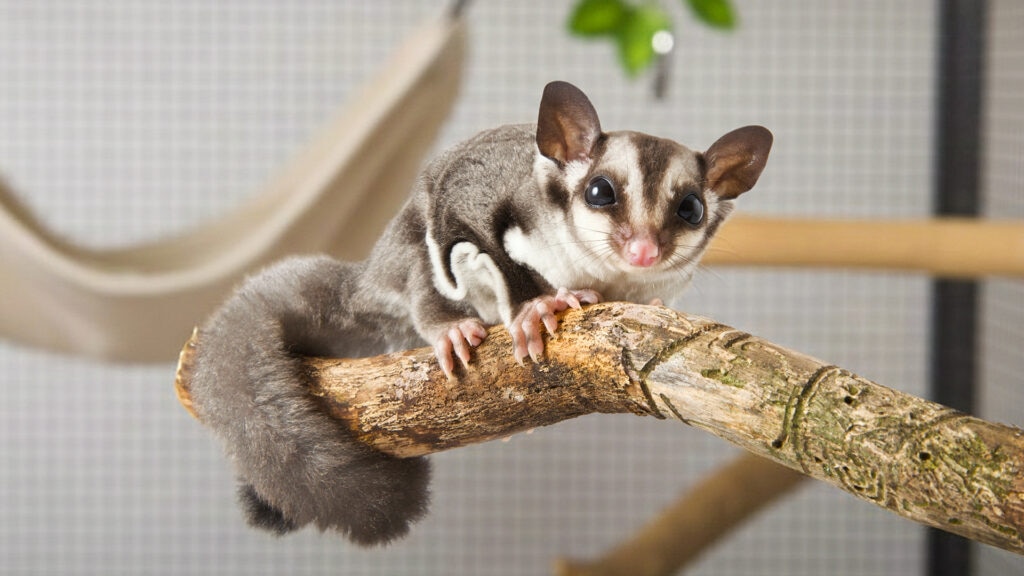
Photo by Chewy
With their big eyes, playful personalities, and love of climbing, sugar gliders are fascinating little companions. But these social marsupials are also a long-term commitment: Pet sugar gliders typically live 10–15 years with proper care.
Providing the right daily care, including a balanced diet, plenty of social interaction, and a safe place to explore, can help your sugar glider stay healthy for years to come.
Key Takeaways
- Pet sugar gliders typically live 10–15 years with proper care, though individual lifespans vary.
- A sugar glider's lifespan depends on genetics, nutrition, housing, companionship, exercise, stress, and veterinary care.
- Sugar gliders are nocturnal, highly social animals who generally need a compatible sugar glider companion and regular interaction.
- Their nutritional needs are complex, so work with an exotic-pet veterinarian to develop a balanced feeding plan.
Sugar Glider Lifespan
Bringing home a sugar glider means committing to more than a decade of specialized care. These nocturnal marsupials need a tall, secure habitat, a compatible companion, a balanced omnivorous diet, and plenty of opportunities for nighttime activity.
Before adopting, check state and local laws and any housing restrictions. You’ll also want to find an exotic-pet veterinarian who treats sugar gliders and know where to seek emergency care after hours.
What Impacts a Sugar Glider’s Lifespan?
From social interaction to nutrition and housing, several factors influence how long a sugar glider lives.
Social Life and Stress
Sugar gliders are highly social animals who live in groups in the wild. They generally do best with a compatible sugar glider companion, as a lack of social interaction can lead to stress or withdrawal.
Spend time interacting gently with your sugar glider each day. Give them time to get used to your scent, voice, and routine, and never force handling.
Diet and Nutrition
In the wild, sugar gliders eat nectar, sap, pollen, insects, and other foods. Replicating this varied diet at home can be challenging, so work with an exotic-pet veterinarian to develop a balanced feeding plan.
Depending on your sugar glider’s needs, their diet may include glider-specific pellets, fresh produce, insects, other protein sources, and supplements. Poor nutrition can contribute to obesity, malnutrition, dental problems, and bone disease.
Habitat, Exercise, and Safety
Sugar gliders love to climb, so their habitat should be tall, secure, and well-ventilated, with safe climbing surfaces, sleeping pouches, and toys.
Check the enclosure regularly for loose threads, rusty metal, sharp edges, and openings that could trap a foot, head, or tail. Avoid cedar and pine shavings.
Supervise playtime outside the enclosure and keep your sugar glider away from electrical cords, open doors, other pets, toilets, unsafe plants, fans, and small spaces where they could escape.
Veterinary Care
Regular visits with an exotic-pet veterinarian can help catch health concerns early, including weight changes, dental disease, parasites, injuries, nutritional problems, and stress-related behaviors.
Ask your veterinarian how often to schedule wellness exams based on your sugar glider’s age and health.
How To Help Your Sugar Glider Live a Longer Life
A few consistent habits can make a big difference in your sugar glider’s health and well-being.
Give Them Room To Climb
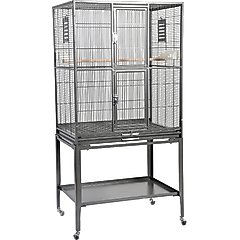
Choose a tall, secure sugar glider habitat with safe bar spacing, sturdy doors, and plenty of climbing space.
Recommended Product
Create a Cozy Sleeping Spot
Provide a safe pouch, such as the Exotic Nutrition Hangouts Deluxe Nest Small Animal Pouch, for daytime rest. Check fabric regularly for loose threads or damage.
Recommended Product

Make Time for Companionship
Sugar gliders generally need a compatible companion, along with gentle, supervised interaction with you each day.
Feed a Balanced Diet
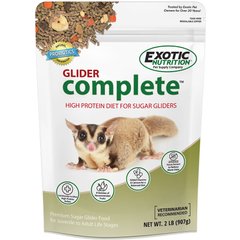
Work with your veterinarian to choose appropriate sugar glider food, fresh foods, insects, and any necessary supplements.
Recommended Product
Encourage Nighttime Exercise
A solid-track wheel without a center axle, such as the Exotic Nutrition Silent Runner Small Animal Exercise Wheel, can provide opportunities for activity when appropriately sized and approved by your veterinarian.
Recommended Product

Keep Their Habitat Clean
Spot-clean daily, remove uneaten food, wash dishes, and use pet-safe cleaning products without strong fragrances.
Know the Signs of Illness
Contact your veterinarian if you notice appetite or weight loss, swelling, hair loss, limping, breathing changes, diarrhea, a wet chin, or reduced activity.
With a safe home, good nutrition, companionship, and regular veterinary care, your sugar glider can enjoy many happy, healthy years by your side.
Attributions
This article was created with assistance from AI tools. The content has been reviewed for accuracy and edited by a human.