Vetsulin (porcine insulin zinc suspension) U-40 Injectable for Dogs & Cats, 10-mL


Size:
Size:
 Never miss a dose with easy refills
 Skip, change, or cancel anytime
No interest if paid in full in 6 months on PayPal purchases of $149+. .
About This Item
Details
- Vetsulin was the first veterinary insulin FDA-approved for both dogs and cats.
- Easy, accurate dosing
- Proven, quick and sustained efficacy in diabetic dogs
- Effectively controls blood glucose (sugar) levels and reduces clinical signs of diabetes
- Available in 10mL bottle for use with U-40 insulin syringe
- USE OF A SYRINGE OTHER THAN A U-40 SYRINGE WILL RESULT IN INCORRECT DOSING
Ingredients
Active Ingredients: Purified Porcine Insulin (35% Amorphous And 65% Crystalline) 40 IU, Zinc (As Chloride) 0.08 Mg, Sodium Acetate Trihydrate 1.36 Mg, Sodium Chloride 7.0 Mg, Methylparaben (Preservative), 1.0 Mg.
Instructions
Use of a syringe other than a U-40 syringe will result in incorrect dosing. Follow dosing instructions exactly as given by your veterinarian. Shake the vial thoroughly to a milky, uniform suspension. Make sure all clumps or particles are completely dissolved, and foam formed during shaking has dispersed, before using. Vetsulin should be given with or right after a meal.
Store in an upright position under refrigeration at 36° - 46°F. Do not freeze. Protect from light. Use content within 42 days of the first puncture.
FAQ
The first and only insulin approved by the US Food and Drug Administration for treating both canine and feline diabetes mellitus. Vetsulin (porcine insulin zinc suspension) is produced by Merck Animal Health and is available only by prescription.
No, Vetsulin is registered in over 30 other countries as Caninsulin. It was first registered in Australia in 1990, so there is a history of more than 20 years of safety and efficacy with this product.
No, Vetsulin/Caninsulin are manufactured by Merck Animal Health in Germany.
The manufacturer has stated that as long as the Vetsulin insulin is kept below 77°F, the insulin can remain out of refrigeration. Preferably, if left out of refrigeration for any length of time, or after the administration of the insulin is completed, the best practice is to return the Vetsulin insulin back under refrigeration at 36° to 46°F.
The manufacturer recommends that Vetsulin insulin should always be kept under refrigeration at 36° to 46°F, stored in an upright position, and protected from light. Vetsulin insulin should not be frozen. If a vial is removed from refrigeration and used/punctured, then the insulin in that vial must be used within 42 days.
Vetsulin is an intermediate-acting, lente insulin containing 40 IU per mL of highly purified porcine insulin. As a lente insulin, Vetsulin is an aqueous suspension containing 35% amorphous and 65% crystalline zinc crystals in a neutral buffer of pH 7.35.
No. Vetsulin is a mixture of amorphous (soluble) insulin and crystalline insulin. The crystalline part is relatively insoluble, which is why the insulin activity lasts more than a few hours. Vetsulin has a balance between the amorphous and crystalline parts. If Vetsulin is diluted, the balance between amorphous and crystalline parts is no longer 35% and 65%, relatively speaking. The amount of soluble insulin is increased by the aqueous diluent used. This results in an alteration of the pharmacokinetics of Vetsulin. With a larger aqueous fraction and smaller crystalline fraction, there would be a decrease in the crystalline portion responsible for the second peak of insulin activity.
In addition, the stability of the suspension is unknown if Vetsulin is diluted. The Vetsulin suspension is optimized to maintain the crystalline portion as a salt. If the water content is increased as with dilution, the solution looks for a new balance, ie, it is not stable and the dissolved fraction increases with time.
No, use of a syringe other than a U-40 syringe will result in incorrect dosing. Using a U-100 syringe with Vetsulin would result in an animal receiving 2½ times less insulin than required. Human insulins are formulated at a concentration of 100 IU/mL. If clients use a U-40 syringe with a 100 IU insulin preparation, they would be injecting 2½ times the amount of insulin necessary, which could result in fatal hypoglycemia.
Vetsulin porcine insulin has the same amino acid sequence as natural canine insulin, whereas the commonly prescribed biosynthetic human insulin has a different amino acid sequence. The similar structure may provide more effective regulation of blood glucose and decreases the risk of anti-insulin antibody development in dogs. Unlike the dog, anti-insulin antibodies do not appear to be a problem in cats.
Vetsulin facilitates a more optimal treatment protocol than current human insulin products.
Where biosynthetic human insulin is only available in 100 IU/mL concentrations, Vetsulin has a 40 IU/mL concentration allowing for more accurate dosing of small animals and reducing the risk of under- or overdosing. Vetsulin is administered with U-40 syringes or VetPen, making it easier for the client to read and deliver the dose. The duration of activity may be longer.
Caution should be exercised when changing from one insulin product to another. Any change in insulin should be made cautiously and only under a veterinarian’s supervision. Changes in insulin strength, manufacturer, type, species (animal, human), or method of manufacture (rDNA versus animal-source insulin) may result in the need for a change in dosage.
Diabetes mellitus is caused by an absolute or relative deficiency of insulin. Animals with an absolute or relative deficiency of insulin are called diabetics.
Insulin deficiency can develop for different reasons:
Disorders of the pancreas—the pancreas is unable to secrete enough insulin.
Other diseases or the presence of other hormones—may be antagonistic to insulin or cause resistance to insulin. Insulin is unable to function normally in the body.
No. Diabetes insipidus, also known as water diabetes, is caused when large amounts of dilute urine are produced. It is a far less common condition than diabetes mellitus. Diabetes insipidus is caused by problems in part of the brain or in the kidneys. There is no glucose present in the urine of animals with diabetes insipidus.
The most common signs of diabetes mellitus in dogs are: * Increased drinking * Increased urination * Increased appetite * General signs, such as lethargy and poor coat condition
Polyuria is the production of large amounts of urine in a given period (eg, per day). Polydipsia is chronic excessive thirst. Polyphagia is great hunger.
No, your dog could have a bladder or kidney infection, or some other medical problem. If your dog is having problems holding its urine, you should schedule a trip to your veterinarian as soon as possible.
Your veterinarian will measure your dog's blood glucose and test your dog's urine for the presence of glucose and ketones. Persistently high blood glucose levels along with glucose in the urine usually mean that your dog has diabetes mellitus.
Dogs of all ages can get diabetes. Diabetes most typically occurs in older dogs. Obesity, genetics, and other conditions can contribute to the development of diabetes.
Problems associated with diabetes are generally seen in long-standing cases; they include cataracts in dogs and chronic infections.
Dogs with diabetes mellitus drink and urinate a lot. They may also have a good or increased appetite but usually lose rather than gain weight. Other common diseases where some or all of these signs are also seen include: * Cushing's disease (hyperadrenocorticism). * Exocrine pancreatic insufficiency. * Kidney disease To reach a definitive diagnosis of diabetes mellitus, your veterinarian will test your dog's blood glucose levels and for the presence of urine glucose and ketones.
No. Diabetes mellitus is due to a lack of insulin produced by the pancreas. It is not caused by a virus or infection. Diabetes in dogs is thought to be an autoimmune disease.
Insulin is produced by the beta cells in the pancreas. Type 1 diabetes is due to the destruction of the beta cells with progressive and eventually complete loss of insulin secretion. This type always requires insulin therapy. Type 2 diabetes is characterized by dysfunctional beta cells (irregular insulin production) or the other cells of the body not responding to insulin properly. Type 2 diabetes may or may not require insulin therapy. In general, all diabetic dogs have type 1 diabetes and require insulin to control their disease. Unlike dogs, cats can fall under the type 1 or type 2 classifications.
It is only recently that dogs were treated aggressively for diabetes. Sadly, not many years ago these animals would have automatically been euthanized. Today, studies suggest that, if a dog is kept well regulated and does not have any other health problems, he or she should be able to have a normal life expectancy.
Yes, it is very similar. Your dog will be using similar medications, equipment, and monitoring methods as human diabetics use.
Injections should be given subcutaneously (under the skin) about 1 to 2 inches below the spine or backbone. Constantly vary the injection location from behind the shoulder blade to just in front of the hip bone, and alternate injections between your pet's left and right sides. Your veterinarian can help guide you as to the recommended locations for injections. Download the Administration Sheet for instructions on how to administer Vetsulin to your dog.
No, freezing will damage the insulin molecules and reduce the efficacy of the product. If a vial of insulin accidentally freezes in the refrigerator, it should be discarded and a new vial should be used.
Ideally, Vetsulin should be stored upright, protected from light, between 35°F and 46°F. Vetsulin should always remain refrigerated. If you accidentally leave a vial out of the refrigerator, contact your veterinarian for instructions.
- Always have a spare vial on hand
- Protect it from light
- Keep it refrigerated
- If it has gotten too hot, or frozen, discard it immediately
Discard contents after 42 days of the first vial puncture
What should I do if I think that my dog has very low blood sugar (hypoglycemia)?
If you see any of these signs, try to encourage your dog to eat a small meal or, if this fails, rub some corn syrup on your dog's gums
If your dog is diabetic and drinking excessive amounts of water, give him/her all it can drink. Your dog's body is trying to combat the high blood glucose level by expelling the excess sugar out of its body through the urine. Once your dog is regulated, this will subside.
If diabetes is left untreated or unregulated, it could cause many complications. These include cataracts, blindness, infections, and in extreme cases, death.
Each case is different. There is no way to put a specific time on it. Sometimes the regulation process will require you to try different dosages, diets, or injection frequencies. Regulation can be achieved sometimes within a month, and in some cases, over a year from the time therapy first started. It is very important to work closely with your veterinarian during this process to avoid further complications. Even after your dog is regulated, frequent veterinarian visits will be necessary to maintain good health.
If your dog is not eating—do not give Vetsulin or any other insulin! If your dog has a reduced appetite, consult your veterinarian on how to proceed with insulin injections.
It is very important that your dog eats before you administer the injection of Vetsulin. The safest method is to feed your dog first, then give the injection.
Your veterinarian will be the best person to determine your dog's diet, as he/she best knows its needs. Ask about treats. He/she can probably help you find an appropriate treatment for your dog.
To keep constant from day to day, it is best to use commercially produced rather than homemade foods. Certain high-fiber prescription veterinary diets can be a useful adjunct to Vetsulin therapy. These diets should be avoided in underweight diabetic dogs. If special diets are unavailable, or your dog does not eat the diets, then standard canned dog foods are acceptable.
This is where the blood glucose is measured every 2 hours through the day. The dog should be on the same food schedule as at home. For most dogs, a 10-12 hour curve is adequate but in some instances, a longer curve may be needed. Insulin effectiveness, glucose nadir (the lowest glucose reading), and duration of insulin effect are the critical parameters one learns from a glucose curve. The dosage of insulin, the frequency of insulin administration, and feeding times may be altered based on these results.
The results of the curve can be affected by several factors that may make the curve done at the veterinarian's office an inaccurate portrayal of what is occurring at home. Things such as inappetence (not eating) and stress (causing hyperglycemia) may occur at the veterinarian's office. Because some dogs refuse to eat at the veterinarian's office, the dog is fed at home first and samples are done until the next scheduled meal. This will give a more representative curve than a dog that has not eaten. In addition, it is not uncommon for curves to vary from day to day because many things can affect blood glucose levels such as appetite, digestion, metabolism, exercise, hormones, stress, etc.
Once regulated, probably minimally every 6 months, or more frequently if a problem is suspected. Your veterinarian will advise you on the frequency.
Stress hyperglycemia is caused when the animal is frightened or stressed. It is caused by the release of epinephrine (adrenaline). Glycosuria (glucose in the urine) is usually absent with stress hyperglycemia because the blood glucose does not stay high for a significant period and therefore does not spill into the urine. Stress hyperglycemia does not influence the diagnosis of diabetes because the blood glucose level does not stay elevated long enough to cause glucose to spill into the urine.
Vetsulin should not be used in dogs or cats known to have a systemic allergy to pork or pork products. Vetsulin is contraindicated during periods of hypoglycemia. Keep out of reach of children. As with all insulin products, careful patient monitoring for hypoglycemia and hyperglycemia is essential to get and maintain adequate glycemic control and prevent complications. Overdose can result in profound hypoglycemia and death. The safety and effectiveness of Vetsulin in puppies and kittens, breeding, pregnant, and lactating dogs and cats has not been evaluated. See package insert for full information regarding contraindications, warnings, and precautions.

Frequently bought together
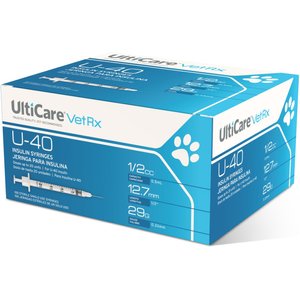 UltiCare VetRx Insulin Syringes U-40 12.7mm x 29G, 0.5-cc, 100 syringesRated 4.7 out of 5 stars4.71.8KReviews$23.95 Chewy Price$23.95$22.75 Autoship Price$22.75Promo, Save 20% On First Rx Order With Code: RX20 +1 deal
- Prescription Item
 Hill's Prescription Diet w/d Multi-Benefit Chicken Flavor Dry Dog Food, 27.5-lb bagRated 4.7 out of 5 stars4.74.7KReviews$133.99 Chewy Price$133.99$127.29 Autoship Price$127.29Promo, Save 40% on your first Autoship
 Hill's Prescription Diet w/d Multi-Benefit Digestive, Weight, Glucose, Urinary Management Vegetable & Chicken Stew Wet Dog Food, 12.5-oz can, case of 12Rated 4.6 out of 5 stars4.62.2KReviews$65.99 Chewy Price$65.99$62.69 Autoship Price$62.69Promo, Save 40% on your first Autoship
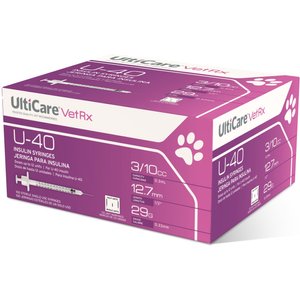 UltiCare VetRx Insulin Syringes U-40 12.7mm x 29G with 1/2 Unit Markings, 0.3-cc, 100 syringesRated 4.7 out of 5 stars4.71.3KReviews$25.95 Chewy Price$25.95$24.65 Autoship Price$24.65Promo, Save 20% On First Rx Order With Code: RX20 +1 deal
- Prescription Item
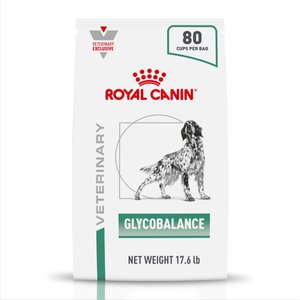 Royal Canin Veterinary Diet Adult Glycobalance Dry Dog Food, 17.6-lb bagRated 4.7 out of 5 stars4.71.5KReviews$102.99 Chewy Price$102.99$97.84 Autoship Price$97.84
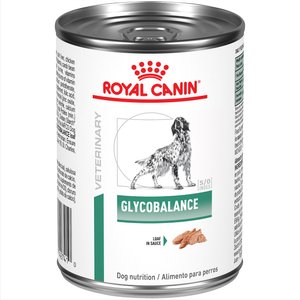 Royal Canin Veterinary Diet Adult Glycobalance Loaf in Sauce Canned Dog Food, 13.4-oz, case of 24Rated 4.7 out of 5 stars4.71.2KReviews$119.76 Chewy Price$119.76$113.77 Autoship Price$113.77
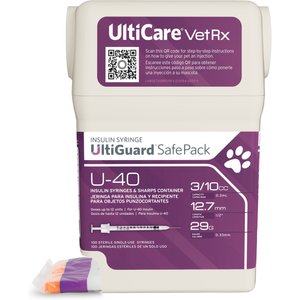 UltiCare VetRx UltiGuard SafePack Insulin Syringes and Sharps Container U-40 12.7mm x 29G, 0.3-cc, 100 syringesRated 4.8 out of 5 stars4.81KReviews$30.95 Chewy Price$30.95$29.40 Autoship Price$29.40Promo, Save 20% On First Rx Order With Code: RX20 +1 deal
- Prescription Item
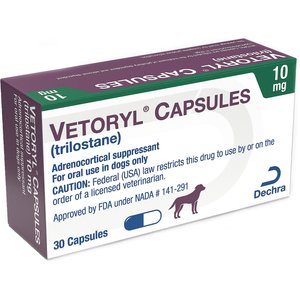 Vetoryl (trilostane) Capsules for Dogs, 10-mg, 30 capsulesRated 4.7 out of 5 stars4.72.2KReviews$87.33 Chewy Price$87.33$82.96 Autoship Price$82.96Promo, Save 20% On First Rx Order With Code: RX20 +1 deal
- Prescription Item
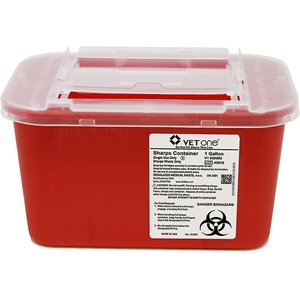 Sharps Container , 1-galRated 4.6 out of 5 stars4.6430Reviews$8.71 Chewy Price$8.71$9.68 List Price$9.68Promo, New Customers Only: Spend $49+, Get $20 eGift Card
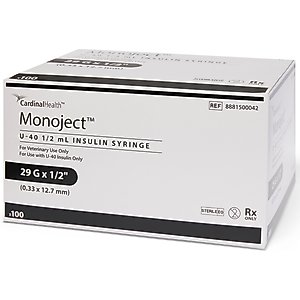 Monoject Insulin Syringes U-40 0.5-in x 29G, 0.5-cc, 100 syringesRated 4.6 out of 5 stars4.6748Reviews$15.50 Chewy Price$15.50$14.72 Autoship Price$14.72Promo, Save 20% On First Rx Order With Code: RX20 +1 deal
- Prescription Item
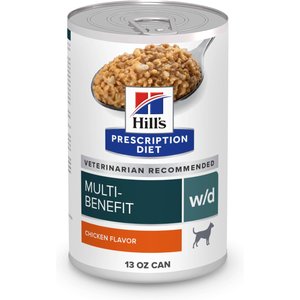 Hill's Prescription Diet w/d Multi-Benefit with Chicken Wet Dog Food, 13-oz, case of 12Rated 4.6 out of 5 stars4.62KReviews$59.99 Chewy Price$59.99$56.99 Autoship Price$56.99Promo, Save 40% on your first Autoship
 AlphaTRAK 3 Test Strips for Blood Glucose Monitoring System for Cats, Dogs, & Horses, 50 stripsRated 4.6 out of 5 stars4.6546Reviews$51.10 Chewy Price$51.10$59.72 List Price$59.72$48.54 Autoship Price$48.54Promo, New Customers Only: Spend $49+, Get $20 eGift Card
Customers Mention
Ease of Use
Effectiveness
Ingredients
Long-Term Benefits
1804 Customer Reviews
Coldness of my package
There were no packages of ice on the top of my insulin. There was only one bag and it was underneath which was separated by severallayers of bubble wrap. This is
There were no packages of ice on the top of my insulin. There was only one bag and it was underneath which was separated by severallayers of bubble wrap. This is never happened and I don’t have anything to check the temperature of my insulin. I would say it was not cold and there’s a big difference so I don’t know what’s changed with your packing, but even the inside of the box felt warm when I lifted off the first layer.
Damaged insulin - almost killed my dog
I immediately unpacked the insulin upon receipt and put it in the refrigerator. It was packed in a cardboard box with tinfoil lining. I noticed all the ice packs
I immediately unpacked the insulin upon receipt and put it in the refrigerator. It was packed in a cardboard box with tinfoil lining. I noticed all the ice packs were separated from the bottle of insulin, but it was winter and the bottle felt cool. Upon first use, it seemed okay. However, after a few days my dog’s glucose levels started going up a little bit each day. By Christmas Eve her levels were so high the glucose monitor just read HI. I called the emergency vet and they helped us through. I picked up a new bottle of insulin directly from my vet and my dog is slowly returning to her normal self and her blood glucose levels have returned to her normal level. I noticed over the last year that Chewy has changed their packaging. It used to be a cardboard box with a styrofoam insert, and plenty of ice packs surrounding the insulin in a tight space. Now its cardboard with a thin tinfoil insert and a few ice packs thrown in haphazardly. I imagine the cost of packaging insulin the way it needs to be packaged to ensure consistent quality it price prohibitive. For this reason, I recommend getting any medication that requires strict temperature control directly from your vet. The extra cost will a more than offset by saving you trips to the emergency vet and the toll it takes on your dogs health.
FedEx delivery is terrible
The vetsulin has been great for my dog, however, when the box was delivered a few days ago, the FedEx driver left it at the end of my driveway. I don’t have a long
The vetsulin has been great for my dog, however, when the box was delivered a few days ago, the FedEx driver left it at the end of my driveway. I don’t have a long driveway! When I got home, it was dark, and I didn’t see the box. I couldn’t find it even though it said it had been delivered (I was looking on my covered porch where all of my other orders including my normal Chewy autoship with the dog food, etc are usually placed). Not sure why this particular box (most important one!) was out from under cover at the end of the driveway by the road! I found it the next morning when it was daylight.
Vetsolin
I was kind of worried not being home when it was delivered knowing it is suppose to be refrigerated But rtealized you packed it in ice in the box probably will
I was kind of worried not being home when it was delivered knowing it is suppose to be refrigerated But rtealized you packed it in ice in the box probably will be ordering it more often ,I did not know it came pacded like this or i would have odered it more durning the winter when I could not get to the vet to get it till i almost ran out
Disappointed
My vet does not participate in confirming prescriptions online. By the time I mailed a paper copy and received the prescription, it took TWO weeks. I had to make
My vet does not participate in confirming prescriptions online. By the time I mailed a paper copy and received the prescription, it took TWO weeks. I had to make three phone calls. First to learn how to do it. Second to confirm receipt. Third to find out the status. This would have been catastrophic if I did not have enough Vetsulin until this delayed arrival. Disappointing.
Bad delivery service for medication
I ordered my senior dog's Vetsulin and my order was delayed numerous times causing me concern for my dog's health. When I called regarding the delay I was told that
I ordered my senior dog's Vetsulin and my order was delayed numerous times causing me concern for my dog's health. When I called regarding the delay I was told that I would have to wait for an updated delivery date before anything could be done. It has now been delayed for the fifth time and it looks as though it may even be lost. Another call to Chewy got me a nice supervisor who is trying to get the medication sooner or find another solution, but the bottom line is my dog is still without his insulin and they can't ship another order until Monday (this is Friday) because it is perishable. That means a Wednesday delivery IF there are no delays. So, again there are more delays AND my dog still doesn't have his medication. They need another delivery service.
Quick order turn-around
Our local vet did not have the insulin in stock and wasn't sure when it would be....called up Chewy and in 2 days was delivered to my door, I was concerned because
Our local vet did not have the insulin in stock and wasn't sure when it would be....called up Chewy and in 2 days was delivered to my door, I was concerned because insulin need to be kept chilled and Chewy assured me that it would and if anything was wrong they would accept a return/refund and re-deliver. needless to say we are VERY satisfied customers!
Inaccurate information
I ordered this on Thursday and was told it would be here by Friday. It needs to be refrigerated. It only lasts 72 hours in the packaging. I was just told it will
I ordered this on Thursday and was told it would be here by Friday. It needs to be refrigerated. It only lasts 72 hours in the packaging. I was just told it will be delivered on Monday, that’s more than the 72 hours. This is the second issue with them, with this medication. Live and learn I will never use chewy again for anything.
The product is fine but Chewy was terrible!
What a nightmare! I spent hours with customer service trying to get this order shipped and it still was delayed after the supervisors assurance she had expedited
What a nightmare! I spent hours with customer service trying to get this order shipped and it still was delayed after the supervisors assurance she had expedited with the fulfillment center. No follow up from her or Chewy. Terrible experience for a vital pet need.
Change in shipping
Last couple shipments, one ice pack, bottom of box, box warm inside, vetsulin temp questionable. Newest Shipment arrived a day earlier than chewy's info. Probably
Last couple shipments, one ice pack, bottom of box, box warm inside, vetsulin temp questionable. Newest Shipment arrived a day earlier than chewy's info. Probably would have been dead vetsulin if it arrived tomorrow.