

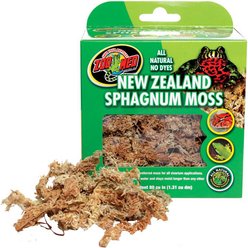

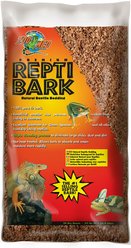






Reptile Substrate & Bedding
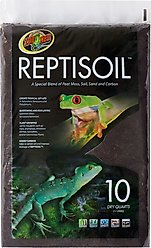
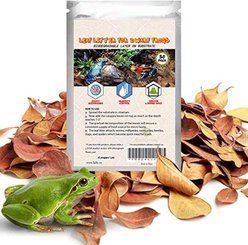
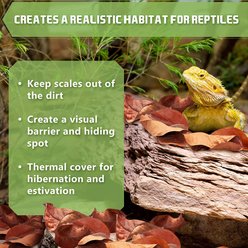
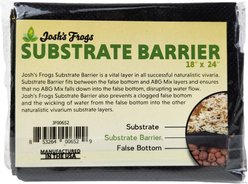
Substrate and bedding form the foundation of any reptile enclosure. They help regulate temperature and humidity, support digging and burrowing, and make cleanup easier. The best choice depends on your reptile's natural habitat and daily behavior. Types of reptile substrate and bedding include:
- Paper bedding: Soft, low-dust, and great for sensitive species
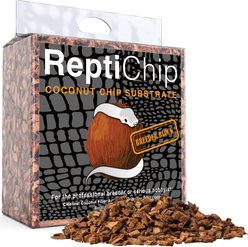
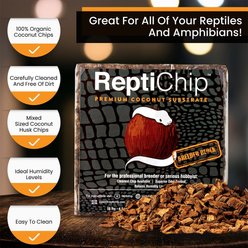
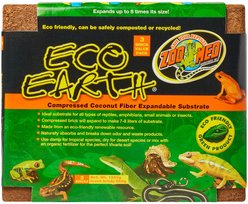
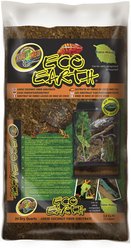
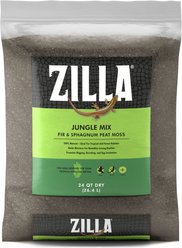
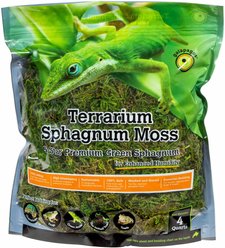
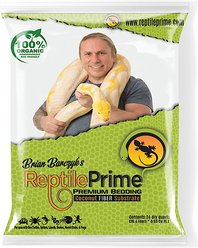
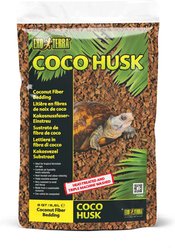
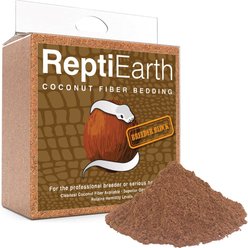
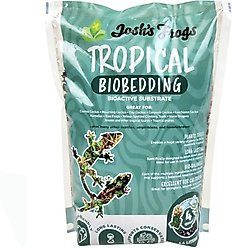
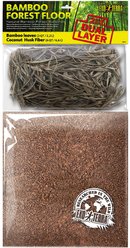
- Coconut husk: Holds moisture and supports humidity in tropical setups
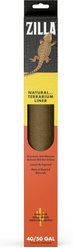
- Reptile carpet: Washable and reusable with a clean, even surface
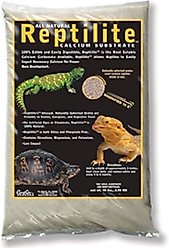
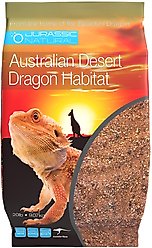
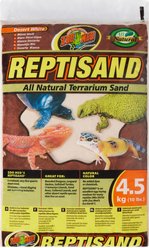
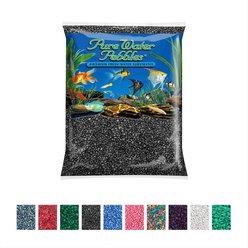
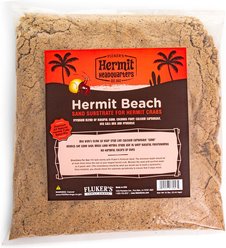
- Sand blends: Good for desert reptiles that need dry, loose substrate
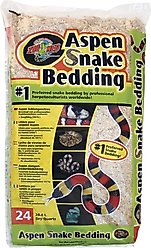
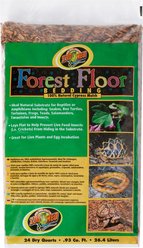
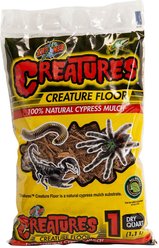
- Bark chips: Provide texture and help with humidity control
No single substrate works for every species. Some reptiles need high humidity and moisture-retaining materials, while others need dry, well-ventilated environments. Consider both comfort and function when choosing bedding.
Frequently Asked Questions about Reptile Substrate & Bedding
Do reptiles need substrate and bedding in their tanks?
Yes. Substrate helps mimic natural ground cover, supports healthy behaviors like digging, and helps with moisture and waste management.
What kind of bedding is best for reptiles?
That depends on the species. Desert reptiles often do well with sand or paper, while tropical reptiles may need soil, bark, or coconut-based substrate to hold moisture.
What is reptile substrate made of?
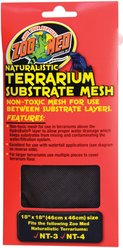
Substrate materials vary and can include paper, sand, soil, coconut husk, bark, or synthetic fabrics like reptile carpet.
How often do you change a reptile's substrate?
Spot-clean daily and replace the full substrate every few weeks, or sooner if it becomes damp, dirty, or starts to smell.