Best Cat-Safe Air Fresheners
Our Top Picks
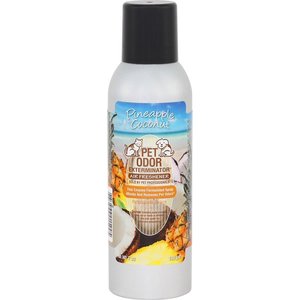
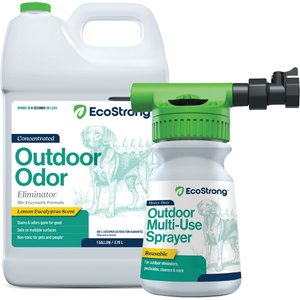
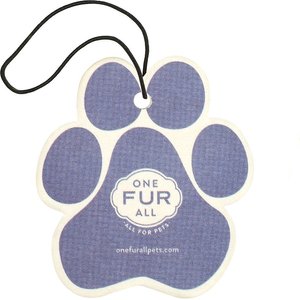
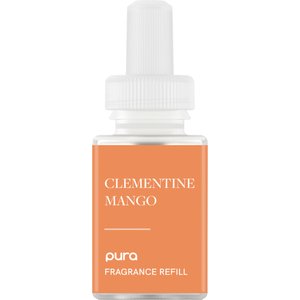
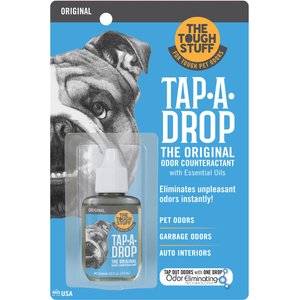
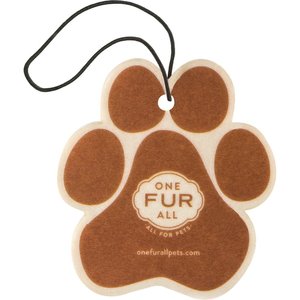
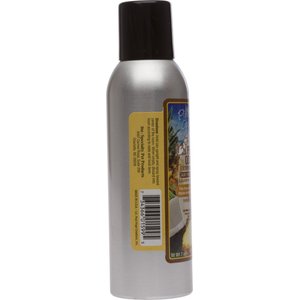
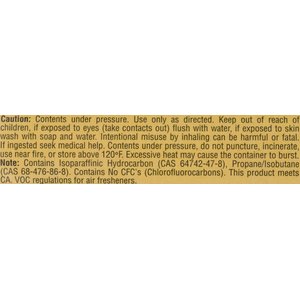
Pet Odor Exterminator Pineapple Coconut Air Freshener, 7-oz
$7.95 Chewy Price
($1.14/oz)
Promo, New Customers Only: Spend $49+, get $25 eGift Card
Our ratings
Long-Lasting Effect
4.4/5
GreatNatural Ingredients
4.6/5
ExcellentNon-Toxic
4.4/5
GreatScent Strength
4.5/5
Great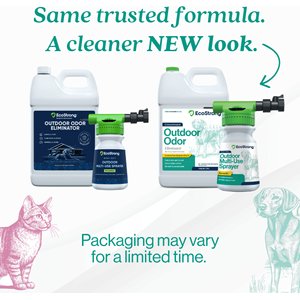
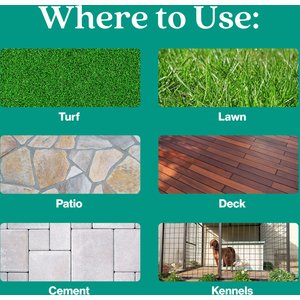
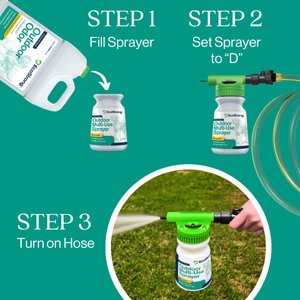

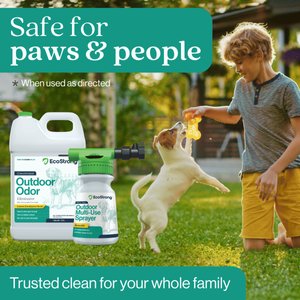

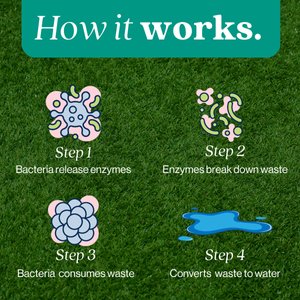
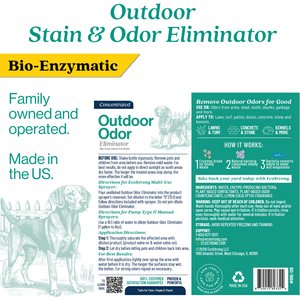
EcoStrong Outdoor Odor Eliminator, 1-gal jug & Multi-Use Sprayer
$59.97 Chewy Price
($59.97/gl)
Promo, New Customers Only: Spend $49+, get $25 eGift Card
Our ratings
Long-Lasting Effect
4.4/5
GreatNatural Ingredients
4.4/5
GreatNon-Toxic
4.4/5
GreatScent Strength
4.2/5
Great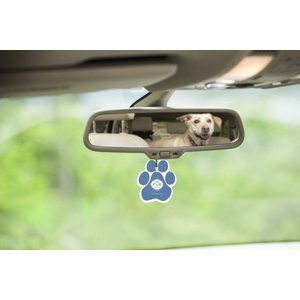
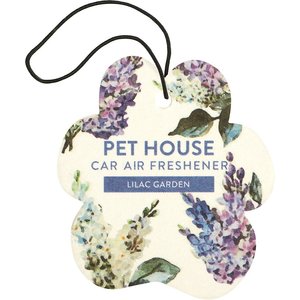
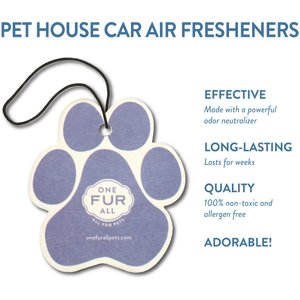
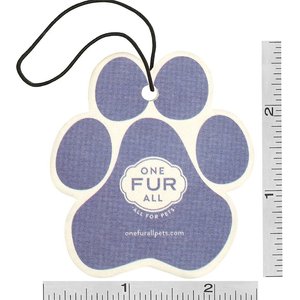
Pet House Lilac Garden Car Air Freshener
$2.99 Chewy Price
Promo, New Customers Only: Spend $49+, get $25 eGift Card
Our ratings
Long-Lasting Effect
4.0/5
GreatNatural Ingredients
4.2/5
GreatNon-Toxic
4.1/5
GreatScent Strength
4.2/5
Great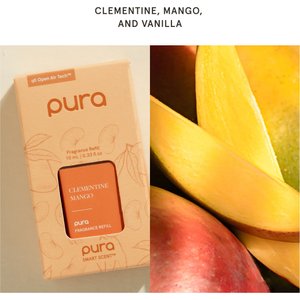
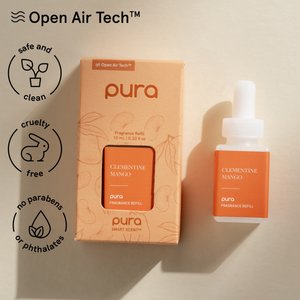
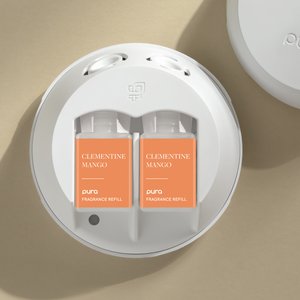
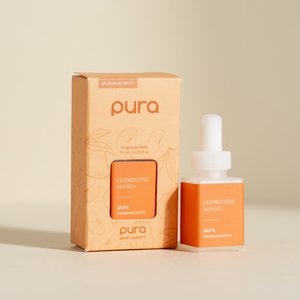
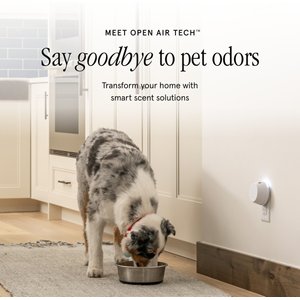
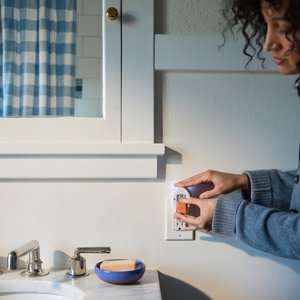
Pura Clementine Mango Home Fragrance Diffuser Refill Deodorizer Dog & Cat Air Freshener, Multicolor, 0.33-fl oz
$15.99 Chewy Price
($48.46/fl oz)
Promo, New Customers Only: Spend $49+, get $25 eGift Card
Our ratings
Long-Lasting Effect
4.6/5
ExcellentNatural Ingredients
4.7/5
ExcellentNon-Toxic
4.7/5
ExcellentScent Strength
4.6/5
Excellent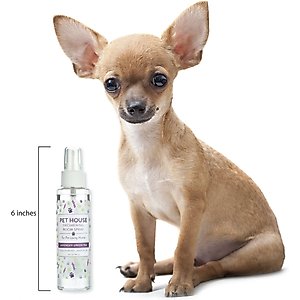
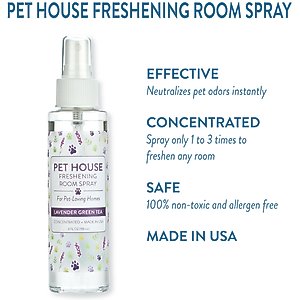
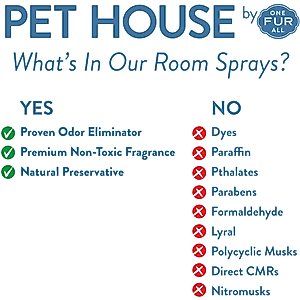
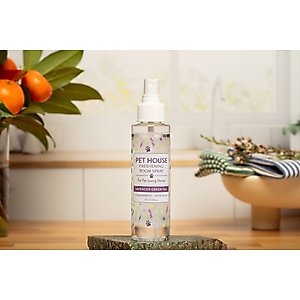
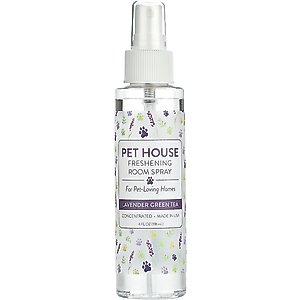
Pet House Lavender Green Tea Freshening Room Spray, 4-fl oz spray
$9.99 Chewy Price
($2.50/fl oz)
Promo, New Customers Only: Spend $49+, get $25 eGift Card
Our ratings
Long-Lasting Effect
4.3/5
GreatNatural Ingredients
4.3/5
GreatNon-Toxic
4.4/5
GreatScent Strength
4.4/5
Great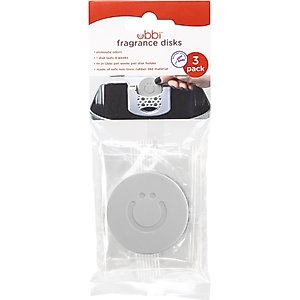
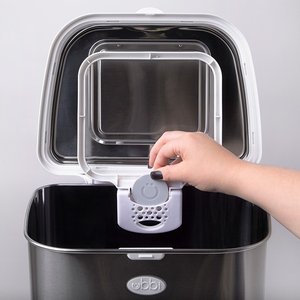
Ubbi Lavender Scented Fragrance Disks, 3 count
$3.99 Chewy Price
($1.33/ea)
Promo, New Customers Only: Spend $49+, get $25 eGift Card
Our ratings
Long-Lasting Effect
4.4/5
GreatNatural Ingredients
4.2/5
GreatNon-Toxic
4.1/5
GreatScent Strength
4.6/5
Excellent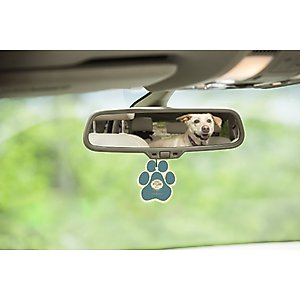
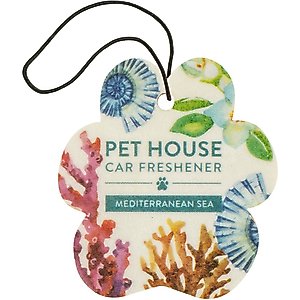
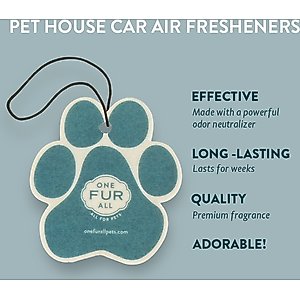
Pet House Mediterranean Sea Car Air Freshener
$2.99 Chewy Price
Promo, New Customers Only: Spend $49+, get $25 eGift Card
Our ratings
Long-Lasting Effect
4.3/5
GreatNatural Ingredients
4.5/5
GreatNon-Toxic
4.4/5
GreatScent Strength
4.3/5
Great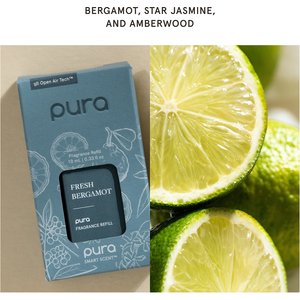
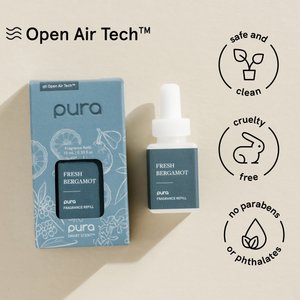
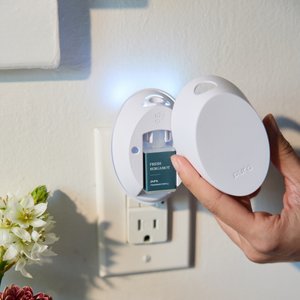
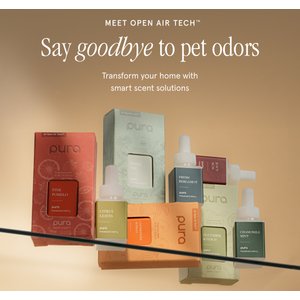
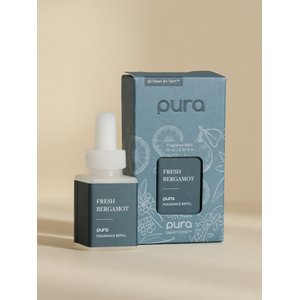
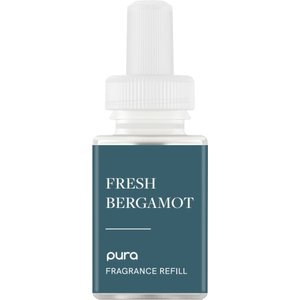
Pura Fresh Bergamot Home Fragrance Diffuser Refill Deodorizer Dog & Cat Air Freshener, Multicolor, 0.33-fl oz
$15.99 Chewy Price
($48.46/fl oz)
Promo, New Customers Only: Spend $49+, get $25 eGift Card
Our ratings
Long-Lasting Effect
4.5/5
GreatNatural Ingredients
4.7/5
ExcellentNon-Toxic
4.6/5
ExcellentScent Strength
4.6/5
Excellent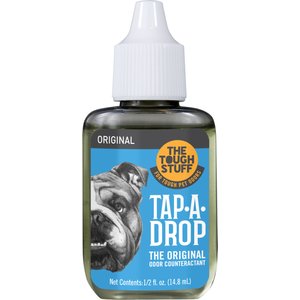
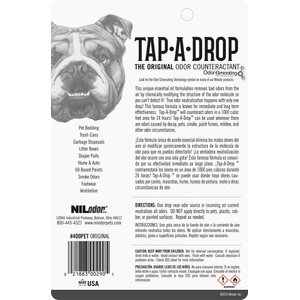
Tough Stuff Tap-A-Drop Original Air Freshener, 1 count
$7.13 Chewy Price
Promo, New Customers Only: Spend $49+, get $25 eGift Card
Our ratings
Long-Lasting Effect
4.6/5
ExcellentNatural Ingredients
4.5/5
GreatNon-Toxic
4.5/5
GreatScent Strength
4.5/5
Great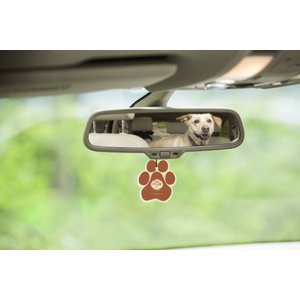
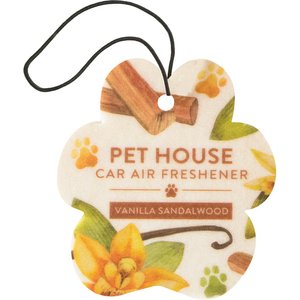
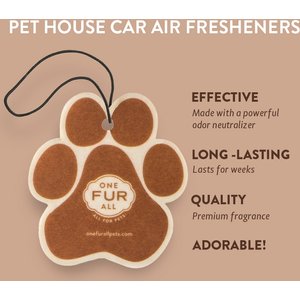
Pet House Vanilla Sandalwood Car Air Freshener
$2.99 Chewy Price
Promo, New Customers Only: Spend $49+, get $25 eGift Card
Our ratings
Long-Lasting Effect
3.9/5
GoodNatural Ingredients
4.0/5
GreatNon-Toxic
4.0/5
GreatScent Strength
3.8/5
Good