Best Horse Turnout Blankets
Our Top Picks
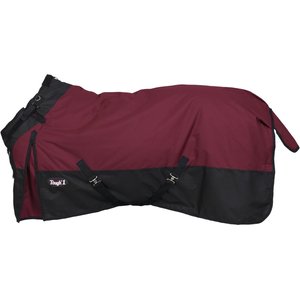

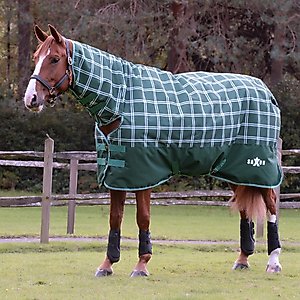
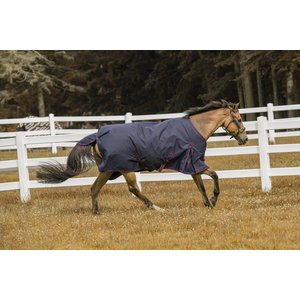
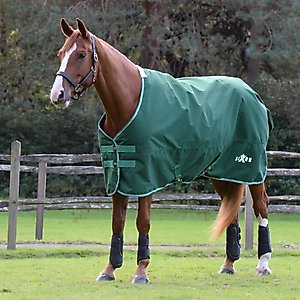
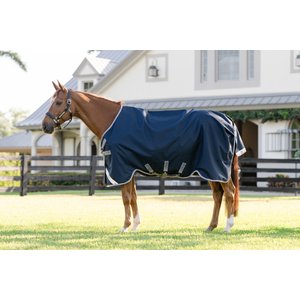
Tough1 1200D Turnout Blanket with Snuggit, 300-g, Burgundy, 81-in
$87.20 Chewy Price
Promo, Special offer - price as marked
Our ratings
Breathability
4.9/5
ExcellentDurability
4.8/5
ExcellentFit
4.8/5
ExcellentWaterproofing
4.7/5
Excellent

Star Point Horsemanship Mini-Pony 350 Heavyweight Hooded Blanket, Teal, 44-46-in
$162.99 Chewy Price
Promo, New Customers Only: Spend $49+, get $25 eGift Card
Our ratings
Breathability
4.8/5
ExcellentDurability
4.8/5
ExcellentFit
4.9/5
ExcellentWaterproofing
4.7/5
Excellent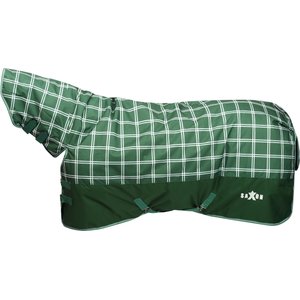
Saxon Defiant 1200D Combo Neck Heavy Horse Turnout, Hunter Green/Plaid, 78-in
$87.99 Chewy Price
Promo, Special offer - price as marked
Our ratings
Breathability
4.6/5
ExcellentDurability
4.4/5
GreatFit
4.5/5
GreatWaterproofing
4.4/5
Great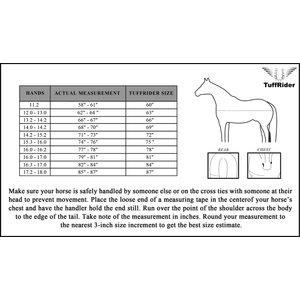
TuffRider 600 D Comfy Winter Horse Blanket, Navy, 84-in
$66.49 Chewy Price
Promo, Special offer - price as marked
Our ratings
Breathability
4.7/5
ExcellentDurability
4.0/5
GreatFit
4.3/5
GreatWaterproofing
4.4/5
Great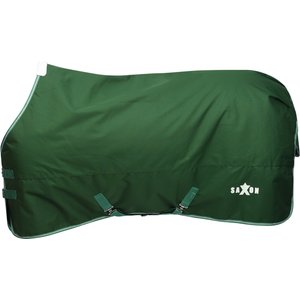
Saxon Defiant 1200D Standard Neck Medium Horse Turnout, Hunter Green/White, 75-in
$79.99 Chewy Price
Promo, Special offer - price as marked
Our ratings
Breathability
4.4/5
GreatDurability
4.5/5
GreatFit
4.4/5
GreatWaterproofing
4.4/5
Great
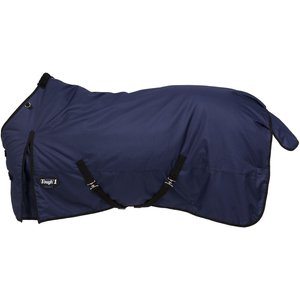
Tough1 Basics 1200D Turnout Blanket, 200-g, Navy Blue, 75-in
$66.36 Chewy Price
Promo, Special offer - price as marked
Our ratings
Breathability
4.7/5
ExcellentDurability
4.8/5
ExcellentFit
4.7/5
ExcellentWaterproofing
4.6/5
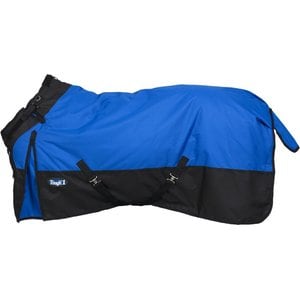
ExcellentTough1 1200D Turnout Blanket with Snuggit, 200-g, Royal Blue, 69-in
$79.96 Chewy Price
Promo, Special offer - price as marked
Our ratings
Breathability
4.5/5
GreatDurability
4.3/5
GreatFit
4.5/5
GreatWaterproofing
4.4/5
Great
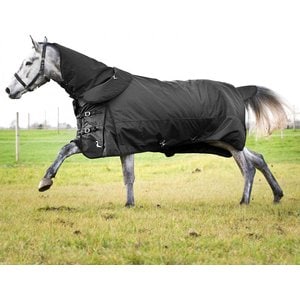
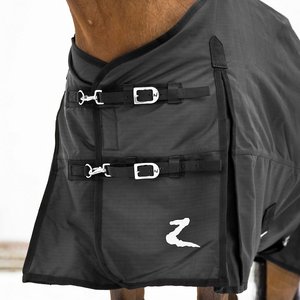
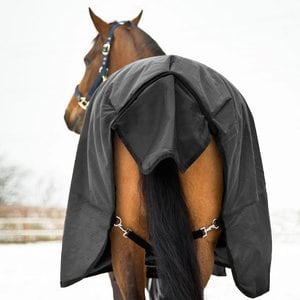
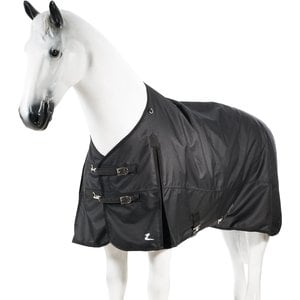
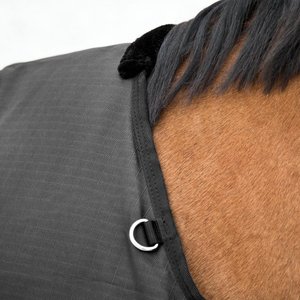
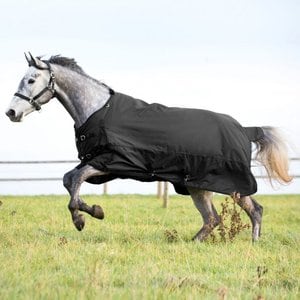
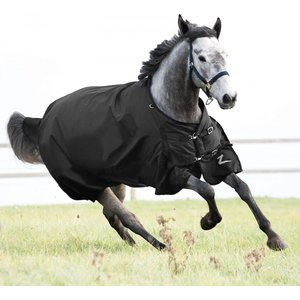
Horze Nevada Medium Weight Turnout Horse Blanket, Black, 78-in
$103.99 Chewy Price
Promo, Special offer - price as marked
Our ratings
Breathability
4.5/5
GreatDurability
4.6/5
ExcellentFit
4.6/5
ExcellentWaterproofing
4.6/5
Excellent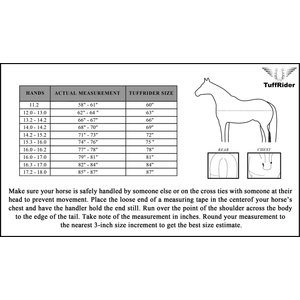
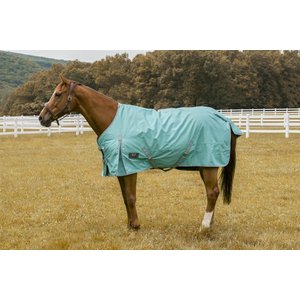
TuffRider 1200 D Comfy Winter Horse Blanket, Turquoise, 72-in
$74.81 Chewy Price
Promo, Special offer - price as marked
Our ratings
Breathability
4.4/5
GreatDurability
4.4/5
GreatFit
4.3/5
GreatWaterproofing
4.3/5
Great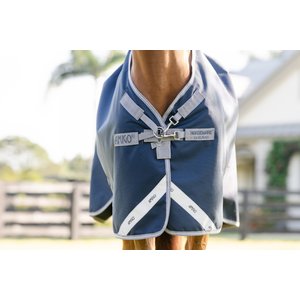
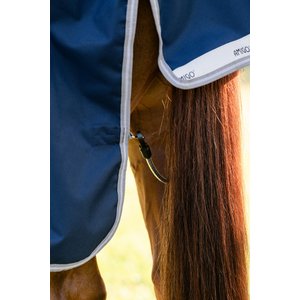
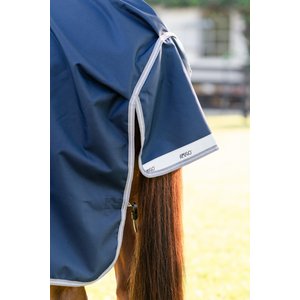
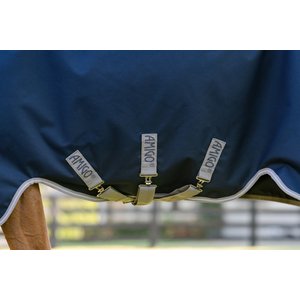
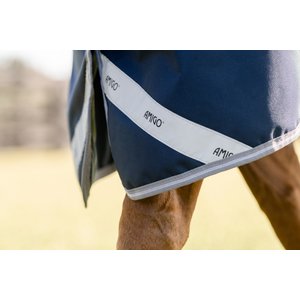
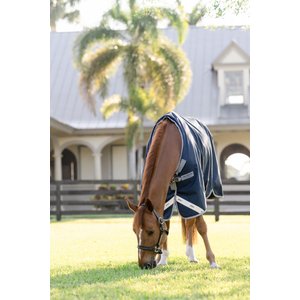
Horseware Amigo 1200D 0g Horse Turnout, Navy, Titanium Grey, Silver, 81-in
$149.56 Chewy Price
Promo, Special offer - price as marked
Our ratings
Breathability
4.8/5
ExcellentDurability
4.8/5
ExcellentFit
4.8/5
ExcellentWaterproofing
4.5/5
Great