Can Cats Eat Peanuts?


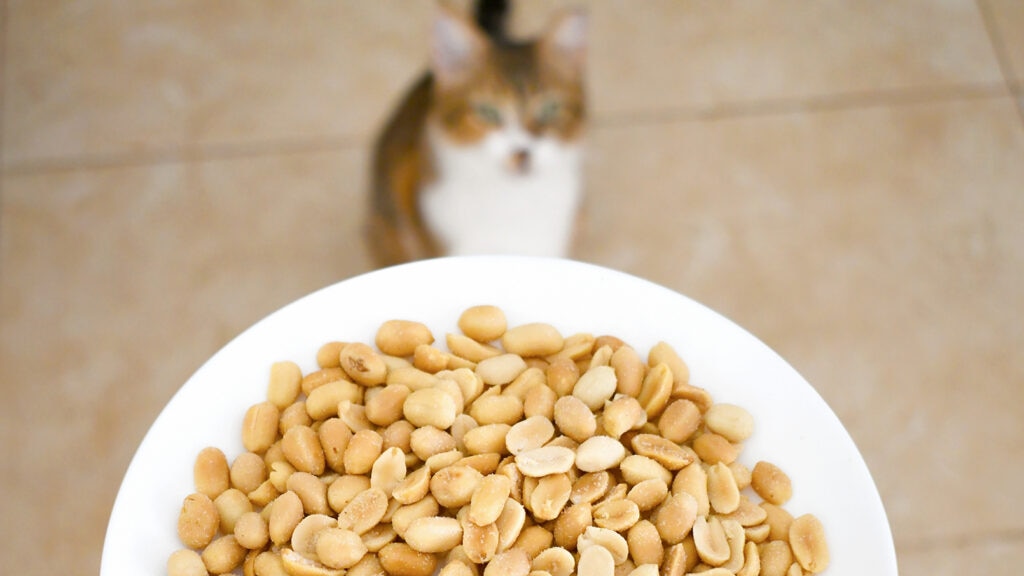
Photo by Maliflower73/Adobe Stock
If your cat noses around while you’re eating a bag of trail mix, you might wonder whether sharing a peanut or two is a big deal. But can cats eat peanuts? It depends on the type.
Cats can eat a small amount of plain, unsalted peanuts, but they still aren’t a very healthy treat. Peanuts are often salted or flavored with ingredients cats shouldn’t have. But even plain peanuts don’t offer much that cats need nutritionally. And like any other treat, they shouldn’t take the place of a complete and balanced cat food.
Before introducing any new food into your cat’s diet, always check with your veterinarian.
Key Takeaways
- Yes, cats can eat a small amount of plain, unsalted peanuts.
- Peanuts aren't toxic, but they're not especially beneficial for cats either.
- Don’t give your cat salted, honey-roasted, chocolate-covered, or heavily flavored peanuts.
- Too many peanuts can lead to vomiting, diarrhea, or stomach upset.
Can Cats Have Peanuts?
Yes, cats can have a small amount of plain unsalted peanuts.
Avoid salted peanuts, honey-roasted peanuts, chocolate-covered peanuts, and heavily flavored varieties. These versions are packed with extra sugar, salt, fat, or flavorings that can be much harder on your cat than a plain peanut.
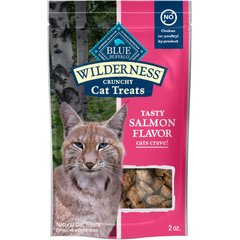
If you’d rather skip people food altogether, there are plenty of crunchy cat treats that make a much better option than peanuts:
Recommended Products

Are Peanuts Good for Cats?
While peanuts are technically OK, they’re still not something cats need. And they don’t provide much in terms of nutrition—cats are obligate carnivores so they’re much better off getting their nutrition from meat-based foods.
That said, there are some small benefits:
- Protein: Peanuts contain some protein, which helps support your cat’s muscles, skin, and overall body function. Still, animal-based proteins are a much better fit for a cat’s nutritional needs.
- Healthy fats: Peanuts contain fats that can provide energy and help support healthy skin and coat function.
Are Peanuts Bad for Cats?
Peanuts can be bad for cats if they eat too many or if the peanuts are prepared with added ingredients. While a plain unsalted peanut here and there is unlikely to hurt most healthy cats, many peanut snacks are richer, saltier, or harder to digest than they seem.
Here are some of the main reasons you should avoid giving your cat peanuts:
- Salt: Salted peanuts can add more sodium than cats should have, especially cats with kidney disease, heart disease, or high blood pressure concerns.
- Fat: Peanuts are high in fat, so eating too many at once can upset your cat’s stomach and may lead to vomiting, diarrhea, or belly discomfort, especially in cats with sensitive digestion or pancreatitis.
- Flavorings: Garlic, onion, spicy coatings, chocolate, and sweeteners can turn peanuts from a simple snack into a potentially dangerous treat for cats.
- Size and texture: Whole peanuts are hard and bulky, and they can be difficult for some cats to chew properly—this means they can become a choking hazard.
How Much Peanut Can My Cat Eat?
All treats combined, including peanuts, should make up no more than 10% of your cat’s daily diet. And since peanuts don’t offer much benefit, portions should stay small.
For most healthy adult cats, half of a peanut to one whole peanut once or twice a week is plenty.
If your cat has a sensitive stomach or pancreatitis or is on a veterinary diet, it’s best to skip peanuts altogether.
How To Safely Feed Peanuts to Your Cat
If you do decide to share a little peanut with your cat, make sure to:
- Use plain peanuts only.
- Remove shells.
- Break the peanut into very small pieces.
- Offer just a tiny amount at first.
- Skip flavored, chocolate-covered, or sweetened peanuts.
My Cat Ate Too Many Peanuts—What Do I Do?
In most cases, eating too many peanuts can lead to digestive upset that will pass on its own in about a day. That said, next steps depend on how many peanuts your cat ate and whether they were plain or flavored.
Watch your cat closely for any of these signs of stomach upset:
- Vomiting
- Diarrhea
- Low appetite
- Belly discomfort
- Lethargy
Call your veterinarian if these symptoms don’t go away within 24 hours or:
- The peanuts were salted, chocolate-covered, or flavored.
- Your cat ate a large amount.
- Your cat has pancreatitis, diabetes, or another medical condition.
- Your cat seems uncomfortable.
- Your cat doesn’t eat their regular food for 24 hours.
If your cat got into peanuts with potentially toxic ingredients and you can’t reach your veterinarian right away, you can also call the Pet Poison Helpline (855-764-7661) for advice on what to do.
FAQs About Peanuts for Cats
Can cats eat salted peanuts?
No, cats shouldn’t eat salted peanuts. The extra sodium can be hard on a cat’s body, especially for cats with heart disease, kidney disease, or blood pressure concerns.
Are peanuts safe for cats?
Plain, unsalted peanuts aren’t toxic to cats, so a tiny piece here and there is unlikely to cause harm. That said, peanuts still aren’t an especially good snack for cats.
Can cats eat peanut butter?
No, peanut butter isn’t a great choice for cats. It’s very rich and calorie-dense, and some peanut butters contain added sugar, salt, or artificial sweeteners that can be unsafe for cats.
Can kittens eat peanuts?
No, it’s best not to give peanuts to kittens. Growing kittens need a complete kitten food to support healthy development, and rich snack foods like peanuts can be hard on their digestive systems.
Attributions
This article was created with assistance from AI tools. The content has been reviewed for accuracy and edited by a human.