Cat Diarrhea: Causes, Remedies, and When To Visit the Vet

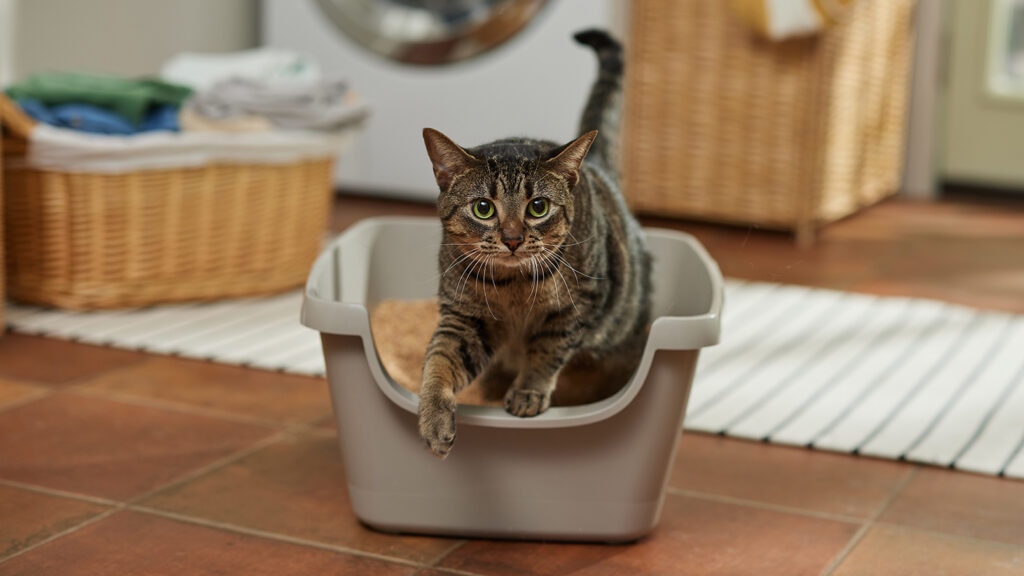
Photo by Chewy
If your cat is suddenly having bathroom accidents or more trips to the litter box, it could be a sign of cat diarrhea. Diarrhea in cats occurs when food moves too quickly through the gastrointestinal (GI) tract, preventing normal absorption of water and nutrients and resulting in loose or watery stools
Occasional bouts of diarrhea are normal in cats of all ages, including kittens and senior cats, and typically clear up on their own or with at-home support. But if the diarrhea lasts more than a day or two, or comes with symptoms like vomiting or not eating, you’ll want to call your vet.
Key Takeaways
- Diarrhea in cats can be caused by simple issues, like diet changes, or more serious conditions, like infections or organ disease.
- Monitor your cat for other symptoms—like vomiting, lethargy, or not eating—that may require a vet visit.
- At-home care includes hydration, probiotics and fiber supplementation, and offering a bland or sensitive stomach diet.
- If diarrhea lasts 24–48 hours or your cat seems unwell, contact your veterinarian for diagnosis and treatment.
Cat Diarrhea Causes
There are many possible causes of cat diarrhea, from a simple change in your cat’s diet to an underlying health condition.
In some cases, diarrhea can become acute, with sudden, severe onset, or chronic, lasting several weeks or longer. Chronic diarrhea may require a more thorough diagnosis and long-term treatment plan from your vet.
Here are some of the most common possible causes of cat diarrhea:
- New cat food: Cats can be delicate creatures, and many of them have a sensitive stomach. Giving them a new food and/or making dietary changes too quickly can alter their intestinal environment and lead to diarrhea—and other possible symptoms like vomiting, change in appetite or behavior and even a refusal to eat at all.
- Ingestion of poisonous plants or other toxins: Diarrhea is a common reaction to your cat getting into something they shouldn’t have, like a poisonous plant or some other toxin. If you suspect your cat has ingested poison or toxins, call pet poison control, like Pet Poison Helpline (fees apply), or seek emergency veterinary care at your local animal hospital.
- Intestinal infections: Viral and bacterial infections (like coccidia) and intestinal parasites (roundworms, hookworms, and whipworms) are likely causes of cat diarrhea, especially if your cat hasn’t had adequate deworming or spends time outside.
- Food allergies or food intolerances: Just like humans, cats can be sensitive to certain types of foods. This is common when switching to a new food, but they may also develop an allergy or intolerance to food you’ve been giving them.
- Intestinal blockage: A blockage in your cat’s digestive tract can also cause diarrhea, vomiting, refusal to eat, lethargy, weakness, and abdominal swelling. Your cat may also struggle to defecate or cry out when attempting to go to the bathroom. This is a medical emergency, so if you suspect an intestinal blockage, take your cat to the emergency vet right away.
- Chronic enteropathy (such as inflammatory bowel disease): Chronic enteropathy is a fancy name for a gastrointestinal disease that lasts for at least three weeks without any other obvious underlying cause.
- Megacolon: Megacolon is an often-overlooked cause of diarrhea, says Kelly Diehl, DVM, senior director of science communication at Morris Animal Foundation based in Denver, Colorado. It develops when a cat is constipated—the large intestine stretches and loses tone, and loose stool can leak around hard feces. This often presents like diarrhea, but it’s really a form of constipation.
Less common but possible causes of diarrhea in cats:
- Cancer: Gastrointestinal tract cancers can cause diarrhea, vomiting, and blood in the stool. Cancer can also cause chronic inflammatory disease that results in chronic diarrhea, according to Amber Carter, DVM, DABVP (Feline Practice), owner of Cat Care Clinic in Ormond Beach, Florida.
- Hyperthyroidism: Weight loss and increased appetite are the most common symptoms of hyperthyroidism in cats, but diarrhea is possible too.
- Kidney disease: Kidney disease in cats causes a buildup of waste products in the body that can lead to irritation of gastrointestinal tract, thus resulting in diarrhea.
- Pancreatitis: Pancreatitis in cats causes diarrhea due to an interruption in the production of normal digestive enzymes and the malabsorption of nutrients when the pancreas is inflamed.
Home Remedies: What To Feed a Cat With Diarrhea
If your cat has mild diarrhea but seems fine otherwise, you might be able to help settle their stomach at home with a bland diet, probiotics, and fiber/prebiotics to bulk up the stool. This isn’t a cure-all, but it can give their digestive system a break while you monitor for other symptoms.
Bland Diet
A bland diet or one designed for a sensitive stomach is great for cats with diarrhea. These diets are a highly digestible meal that is complete, balanced, and formulated to help with healthy digestion, like Purina Pro Plan AdvantEDGE Digestive Plus Cat Food. High in protein, AdvantEDGE Digestive Support Plus includes prebiotics to nourish beneficial bacteria in the gut, probiotics to maintain microbiome balance, and postbiotics to support immune health through the gut.
Recommended Product

Feed small portions throughout the day instead of full meals.
Water
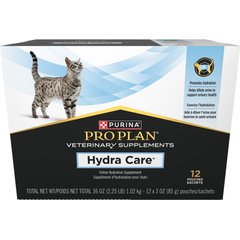
Make sure your cat has plenty of fresh water. Cats with diarrhea lose fluids fast—and that can lead to dehydration. To help keep your kitty well hydrated, mix Purina Pro Plan Veterinary Diets Hydra Care into their water.
Recommended Product
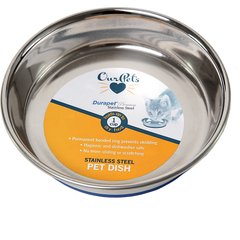
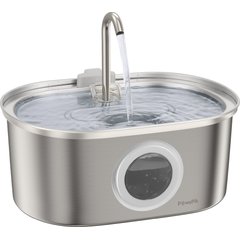
Consider adding extra water bowls to the house in new spots to make hydration more exciting, like a treasure hunt for water bowls. You can also try a cat drinking fountain to encourage more sipping. Cats love moving water—it tastes fresher and appeals to their instincts.
Recommended Products
No Treats
Put the treats on hold. Some of the ingredients may be responsible for the diarrhea and stopping them, at least temporarily, can help you pinpoint if they’re the culprit.
When To Go to the Vet for Cat Diarrhea
If your cat is not improving in 24–48 hours—or their symptoms get worse—it’s time to call your vet, Dr. Carter says.
Symptoms that warrant an earlier call to the vet include:
- Both vomiting and diarrhea, which can be a sign of something more serious, such as pancreatitis or severe gastroenteritis
- Loss of appetite
- Signs of dehydration, such as skin tenting, panting, sunken eyes, lethargy, tacky gums or thick saliva
- Blood in stools, including bright red blood or melena, which is tarry poop (black, sticky stool)
- Fever
- Abdominal pain
- Excessive tiredness or weakness
Diagnosing Cat Diarrhea
Your vet can often figure out what’s causing your cat’s diarrhea by looking at a stool sample (bring one if you can) and running a few tests. These might include more extensive stool testing, blood work, X-rays, ultrasounds, or even an endoscopy procedure or surgery in rare cases.
Veterinary Treatment for Cat Diarrhea
Treating cat diarrhea starts with identifying what’s causing it. If it’s from a diet change, switching back to your cat’s old food may be all that’s needed (though it might take a day or two).
If it’s something more serious, your vet will treat the underlying issue—whether that’s an infection, inflammation, or something else.
Bland Foods and a GI-Specific Diet
Your veterinarian may recommend a GI-specific cat diet, like Purina Pro Plan AdvantEDGE Digestive Plus Cat Food or Royal Canin Veterinary Diet Adult Gastrointestinal.
Recommended Products
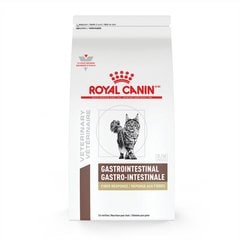
Such diets may contain higher amounts of fiber to help bulk up the stool or have specific, limited ingredients, says Dr. Carter.
Antibiotics
Antibiotics, like metronidazole, may also be prescribed to help control bacterial overgrowth.
Recommended Product
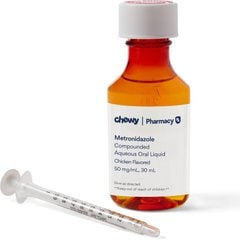
Antibiotics are only helpful in specific situations and should be used exactly as prescribed by your veterinarian.
Probiotics and Prebiotics
Probiotics are beneficial bacteria that help support a healthy balance in your cat’s gastrointestinal tract. Veterinarians often recommend probiotic supplements, like Purina Pro Plan Veterinary Diets FortiFlora, to help restore normal gut bacteria during or after episodes of diarrhea.
Recommended Product
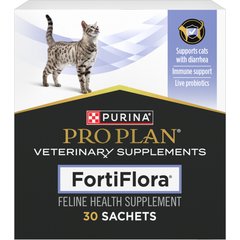
Prebiotics are specialized fibers that nourish beneficial bacteria already living in the gut. By supporting the growth of “good” bacteria, prebiotics can help improve stool quality and overall digestive health.
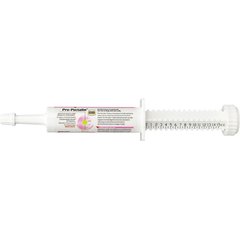
There are also over-the-counter diarrhea medicines for cats that you can try with the green light from your vet, like Vetoquinol Pro-Pectalin.
Recommended Product
Deworming
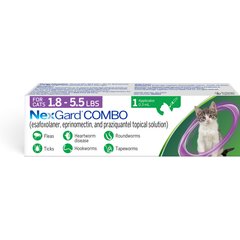
If your cat doesn’t have a history of deworming, your vet may prescribe a dewormer, like NexGard COMBO. This will help eliminate intestinal worms if those are the culprit, likely resolving your cat’s diarrhea.
Recommended Product
Other Treatments Based on the Underlying Cause
Certain causes of cat diarrhea often require condition-specific treatment directed by a veterinarian, such as:
- Intestinal blockage: Endoscopy or often emergency surgery
- Food allergies or intolerances: Therapeutic diets using novel or hydrolyzed proteins
- Cancer: Treatment plans that may include surgery, chemotherapy, or palliative care
- Hyperthyroidism: Medical or dietary management of thyroid disease
- Megacolon: Long-term constipation management with medications and diet changes
Your veterinarian will recommend the most appropriate treatment based on your cat’s diagnosis, overall health, and severity of symptoms.
FAQs About Cat Diarrhea
What do I do if my cat has diarrhea but seems fine?
If your cat is otherwise acting normal—eating, drinking, and playing—you can monitor them at home for a day or two. Try a bland diet and make sure they’re staying hydrated. If the diarrhea lasts more than 48 hours or new symptoms appear, call your vet.
What can I give a cat with diarrhea?
You can offer small amounts of a bland diet or a diet made for cats with a sensitive stomach. Probiotics and pectin are also great to help bulk up the stool. Always check with your vet before giving anything new—especially medications or supplements.
What are natural remedies for cat diarrhea?
Plain canned pumpkin and probiotics can sometimes help firm up stool and support gut health. These are safe in small amounts if your cat tolerates them—but skip anything homemade or herbal without your vet’s OK.
Attributions