Patterdale Terrier
Updated April 29, 2026
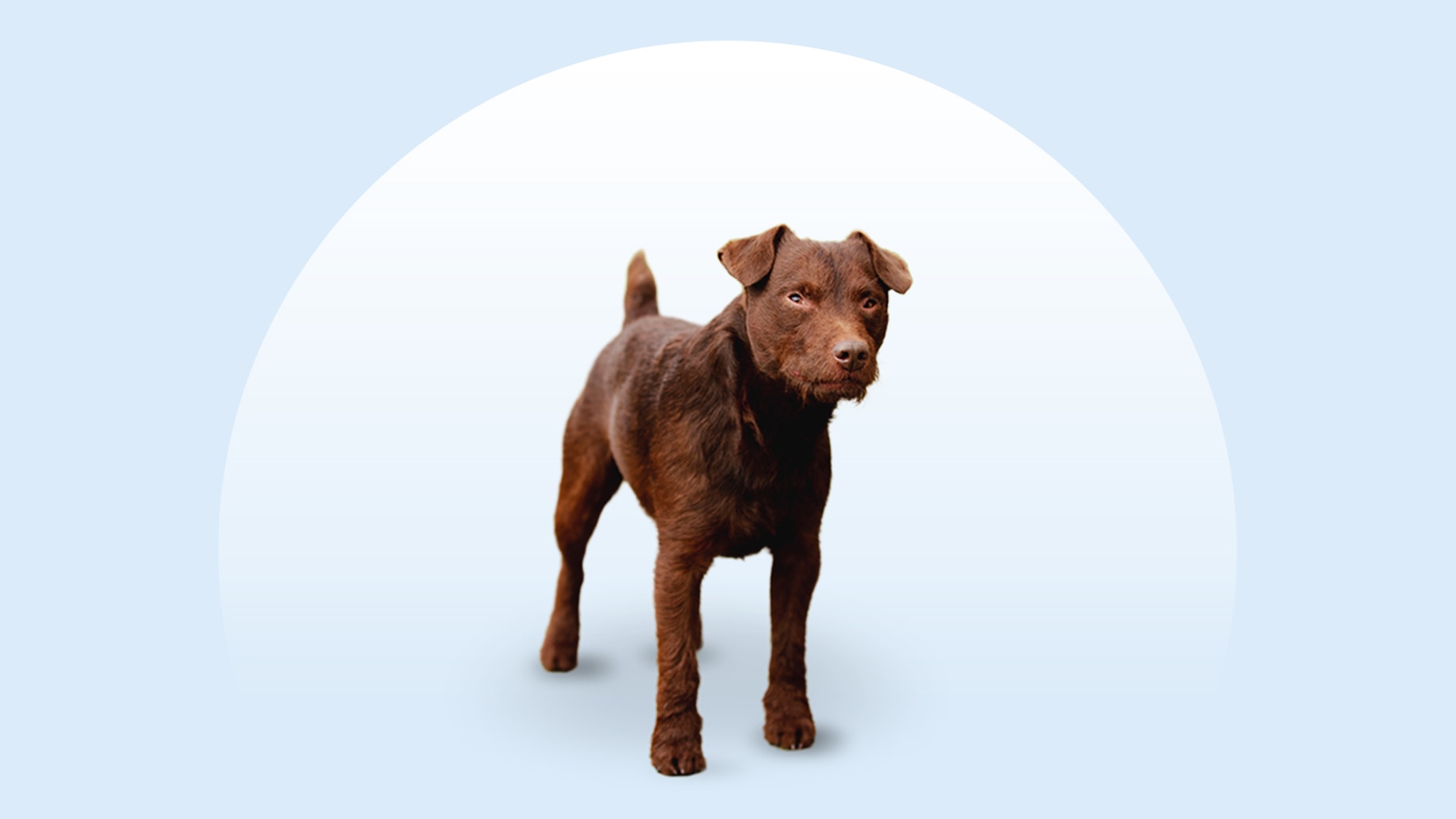
Patterdale Terrier
Updated April 29, 2026
The Patterdale Terrier is lionhearted in personality but modest in stature. Bred for work, they do best in active families who have the time, energy, and skills to provide these plucky pups with a healthy mix of both structure and fun.
Plucky, Persevering, Headstrong
10–17 pounds
10–15 inches
10–12 years
Black, Red, Chocolate, Black and Tan
“Tough as nails.” That’s how the United Kennel Club (UKC) describes the Patterdale Terrier. These doughty dogs were bred for vermin hunting, which explains both their tenacious temperament and their small stature that’s perfect for tunneling. They are down for anything, including going down under the ground.
As you might have guessed, dogs with the smarts, energy, will, and grit to track down prey may not be a good fit for every home. Though they love their families and aim to please, Patterdale Terriers naturally follow their own instincts and will need consistent positive-reinforcement training to learn otherwise.
Recommended Products


Patterdale Terrier Characteristics
Patterdale Terrier Appearance
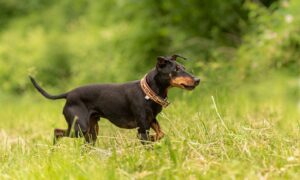
The Patterdale Terrier dog was built to work and isn’t afraid to show it. According to the breed standard, “the Patterdale is a hunting terrier designed to confront quarry directly in tight and challenging quarters.”
They’re compact because their size is vital to their tunneling work. In fact, the breed standard notes that your hands should be able to span the circumference of the Patterdale’s chest.
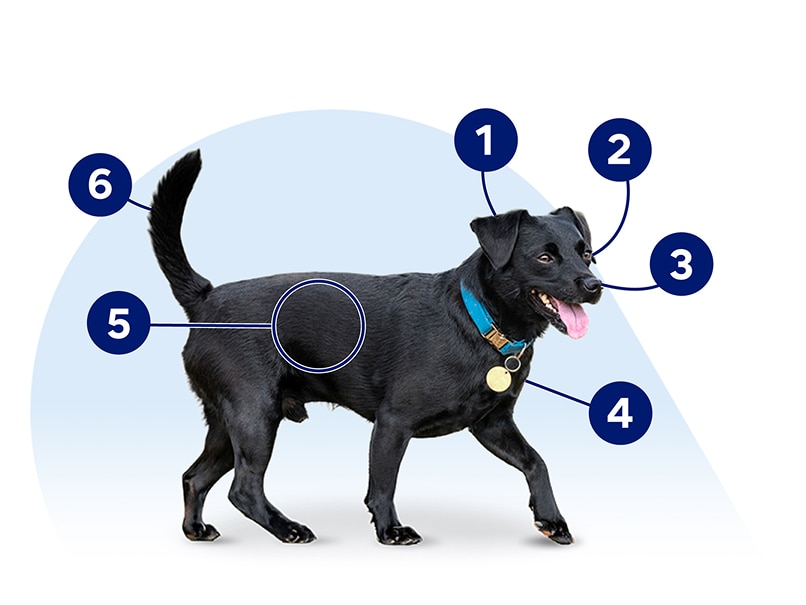
- Ears
The Patterdale Terrier has small, triangular ears that fold down, with the tips resting near the outside corners of their eyes.
- Eyes
Eye color is dependent on coat color. Chocolate Patterdales have amber-colored eyes, while all other Patterdales have brown eyes.
- Nose
Nose color is similarly related to coat color. Chocolate Patterdales have brown (also referred to as red) noses, while other Patterdales typically have black noses.
- Coat Length
Patterdales have three different coat types: smooth, broken, and rough. Smooth-coated Patterdales have very short, smooth fur; broken-coated Patterdales have longer hair on their bodies; and rough-coated Patterdales have longer hair overall.
- Coat Color
The breed’s coat comes in shades of black, red, chocolate, and black and tan. Some may have small white markings on their chest and feet.
- Tail
Patterdales have high-set tails. The breed club standard mentions docking, which involves cutting off a portion of the dog’s tail as a puppy. However, this is a controversial procedure that many veterinary groups, as well as some states and countries, have banned. If you have questions about this procedure, speak with your veterinarian.
Patterdale Terrier Temperament
Per the UKC breed standard, the Patterdale Terrier is “not a dog for the average pet owner.” Understanding their original purpose sheds light on this cautionary designation.
Patterdale Terriers were bred to serve as go-to-ground hunting dogs (i.e., dogs who would root out vermin from underground tunnels and dens). And many of the characteristics that help them excel at their job don’t always translate well to family life.
For example, Patterdales have a high prey drive. But while they don’t mix well with vermin (and may view small animals like cats, gerbils, and guinea pigs as something to chase after), Patterdales can live harmoniously with other dogs and with larger animals like livestock.
Despite their working-dog instincts, Patterdales form loyal, affectionate bonds with their families and have a strong desire to please. However, the Patterdale Terrier Breed Club does not recommend the breed as a playmate for children younger than 7 years old. To be met with gentleness, children must first know how to treat dogs with gentleness.
But with the right family, in the right environment, and with dedicated training and socialization, a Patterdale Terrier can thrive.
Related Breeds




How to Care for a Patterdale Terrier
Because Patterdale Terriers have insatiable appetites for action, most of their care needs revolve around keeping their minds and bodies engaged. As the breed club puts it: “These dogs require an extraordinary amount of human attention, outdoor activity, exercise, discipline, and an understanding of their hunting nature.”
And because they have a typical terrier dog temperament, all that care should be paired with a healthy sense of humor.
Grooming
Training
Diet
Exercise
Environment
Patterdale Terrier Health
The Patterdale Terrier is a generally healthy breed with an average lifespan of 10–12 years. But like all dogs, they are prone to develop certain health conditions. It’s important to partner with an ethical breeder who prioritizes health and genetic testing.
Patterdales are particularly at risk for:
- Primary lens luxation: Primary lens luxation (PLL) is when the eye lens moves from its normal position, and it can affect one or both eyes. The condition can cause redness, tears or discharge, cloudiness, and pain and can lead to inflammation, glaucoma, and even blindness. If caught early, surgical lens removal is an option. Otherwise, medication can be used to alleviate pain and discomfort.
- Patellar luxation: A patellar luxation occurs when the patella (or kneecap) moves outside of its normal groove in the thigh bone. Signs include limping, bunny hopping, and a popping sound from the knee joint. Dogs with severe cases of patellar luxation may need surgery.
- Periodontal disease: Periodontal disease occurs when bacteria builds up in your dog’s mouth, damaging the teeth, gums, jaw bone, and other tissues. While the disease is common in dogs of all sizes, it is particularly common in smaller breeds. Signs of periodontal disease include plaque and tarter buildup, gum irritation, bad breath, missing teeth, and root exposure. Treatment can involve professional cleaning, extractions, or both.
Patterdale Terrier History
The Patterdale Terrier is a rare dog breed and is not yet recognized by the American Kennel Club (AKC). However, the breed has been part of the United Kennel Club (UKC) since January 1, 1995.
According to the UKC, the Patterdale is mainly descended from the Fell Terrier, a small working dog from Northern England. Like Patterdales, Fell Terriers were bred to hunt and confront vermin.