Organic Dog Treats: What To Look for and the Best Options for Your Dog

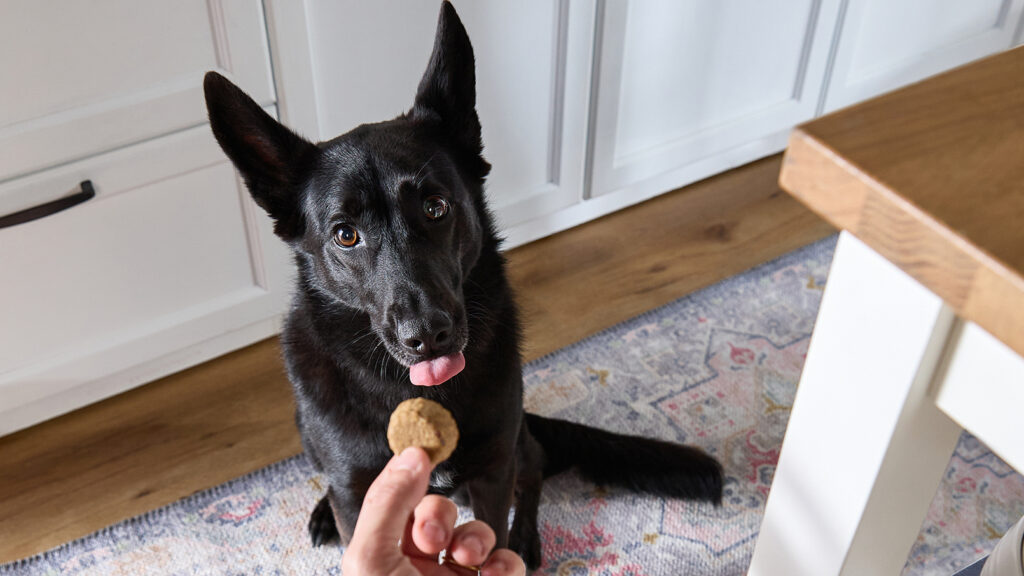
Photo by MattiaMarasco/iStock/Getty Images Plus
Your dog’s diet starts with a high-quality, complete and balanced food, but don’t forget the treats—they can play an important role too.
If you’re looking for an extra goodie to share with your pup, you may be wondering what makes organic dog treats different and whether they’re worth it. Here’s what to know.
Key Takeaways
- If a dog treat is labeled “organic,” it contains at least 95% organic ingredients.
- On the other hand, “100% organic” means every ingredient is organic.
- The USDA Organic seal can help you identify treats that meet certified organic standards.
- While there’s no evidence that organic treats are healthier for dogs, some pet parents prefer the way these ingredients are produced and sourced.
- Organic or not, treats should make up no more than 10% of your dog’s daily calories, with the rest coming from a complete and balanced diet.
What Are Organic Dog Treats?
The word “organic” has a specific meaning when it comes to dog food and treats.
The Association of American Feed Control Officials, also known as AAFCO, is the organization that sets nutritional standards for pet food in the United States. According to AAFCO, any animal food labeled “organic” must meet the standards of the USDA’s National Organic Program.
Under those guidelines, “organic” means:
- No synthetic fertilizers or pesticides, sewage sludge, irradiation, genetic engineering, or routine use of antibiotics or synthetic hormones in production of the food.
- Animals who provide food labeled “organic” must be fed 100% organic feed themselves.
- Animals used for “organic” food must also have access to the outdoors, shelter, exercise, and other relevant welfare considerations.
- No cross-contamination with nonorganic items.
What To Look for in Organic Dog Treats
Most dog treats don’t meet “organic” standards and can’t be labeled as such. But if you do find an organic treat, you might wonder if it’s really 100% organic.
Here are some ways that your dog’s food or treats might be labeled and what they mean:
- 100% organic: This food is made solely with organic ingredients.
- Organic: These treats are made from at least 95% organic ingredients.
- Made with organic ingredients: At least 70% of the ingredients must be organic.
You might also see a single organic ingredient listed in the ingredients list. That means only that ingredient is organic, not the whole treat.
Only dog treats made with at least 95% organic ingredients can display the USDA organic seal on their label.
What Are the Best Organic Dog Treats?
While it’s hard to say for sure what the best organic treats are—every dog has their own preferences, after all!—here are some vet-approved picks that most pups are sure to love.
Biscuits and Crunchy Treats
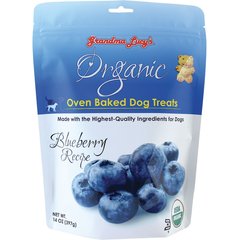
- Grandma Lucy’s Organic Blueberry Oven Baked Treats: Also available in apple, banana and sweet potato, blueberry, and pumpkin, and labeled with the USDA organic seal
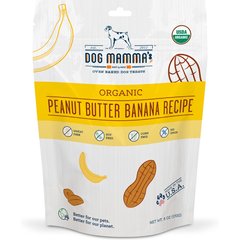
- Dog Mamma’s Organic Peanut Butter Banana Treats: All organic ingredients with a taste most dogs love
Recommended Products
Soft and Chewy Treats
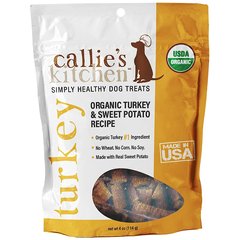
- Callie’s Kitchen Organic Turkey & Sweet Potato Recipe Treats: USDA organic treats also available in chicken and pumpkin
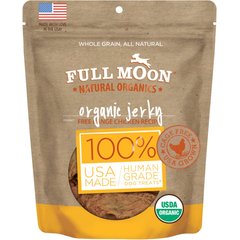
- Full Moon Organic Chicken Jerky Human-Grade Treats: USDA organic jerky treats, also available in beef flavor
Recommended Products
Specialty Treats
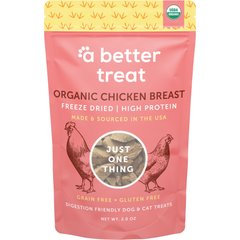
- A Better Treat Organic Freeze-Dried Chicken Breast Treats: High in protein and made with organic, freeze-dried chicken
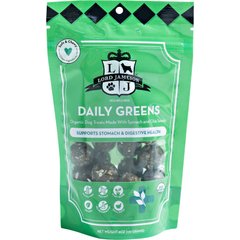
- Lord Jameson Daily Greens Organic Treats: Organic and vegan
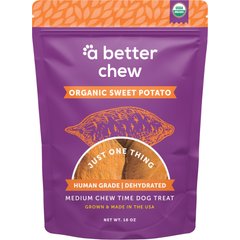
- A Better Treat Long Lasting Single Ingredient Organic Sweet Potato Natural Chew Treats: Ideal for dogs with dietary sensitivities
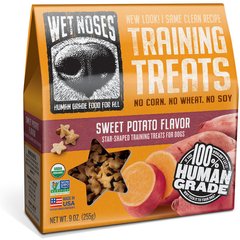
- Wet Noses Sweet Potato Little Stars Treats: Ideal for training, with only 3.4 calories per treat
Recommended Products
Are Organic Dog Treats Healthier for Dogs?
Organic foods are produced without artificial pesticides, chemical fertilizers, growth hormones, antibiotics, and nonnatural preservatives, flavors, colors, and dyes.
That can sound like a healthier alternative to conventional foods.
However, while there is some evidence this may be the case for humans, there isn’t currently research showing that organic food is healthier for dogs. For now, it’s still up for debate.
Do Dogs Need Organic Dog Treats?
There’s no right answer. What’s most important to understand is that only 10% of a dog’s diet—max—should come from treats. The rest should come from a complete and balanced dog food. That’s where your dog will get most of their nutrition—the main diet you and your veterinarian choose.
That said, organic treats can still be a great option—and depending on the type and flavor, your dog might just decide it’s their favorite snack.
FAQs About Organic Dog Treats
What are the healthiest treats for dogs?
No single type of treat is the best choice for every dog. For example, an overweight dog might need a low-calorie treat while an athletic pup could benefit from a high-protein option. Your veterinarian can help you choose treats that fit your dog’s needs.
What’s healthier: organic dog treats or single-ingredient treats?
It depends on your dog. Single-ingredient treats can be an excellent choice, especially for dogs with dietary sensitivities. Organic dog treats are best for pet parents who are trying to limit their dog’s exposure to artificial chemicals, growth hormones, and antibiotics, or who are concerned about the environment and the well-being of animals used for food.
Can I give my dog food that’s not organic?
Yes. Many pet parents feed their dogs nonorganic food, and their dogs are perfectly healthy.
Can puppies have organic dog treats?
Yes. Puppies can have organic dog treats, but it’s always best to clear diet changes with your vet first. Also, treats should make up no more than 10% of any dog’s diet.