Dog Cancer Diet: The Best Food for Dogs With Cancer


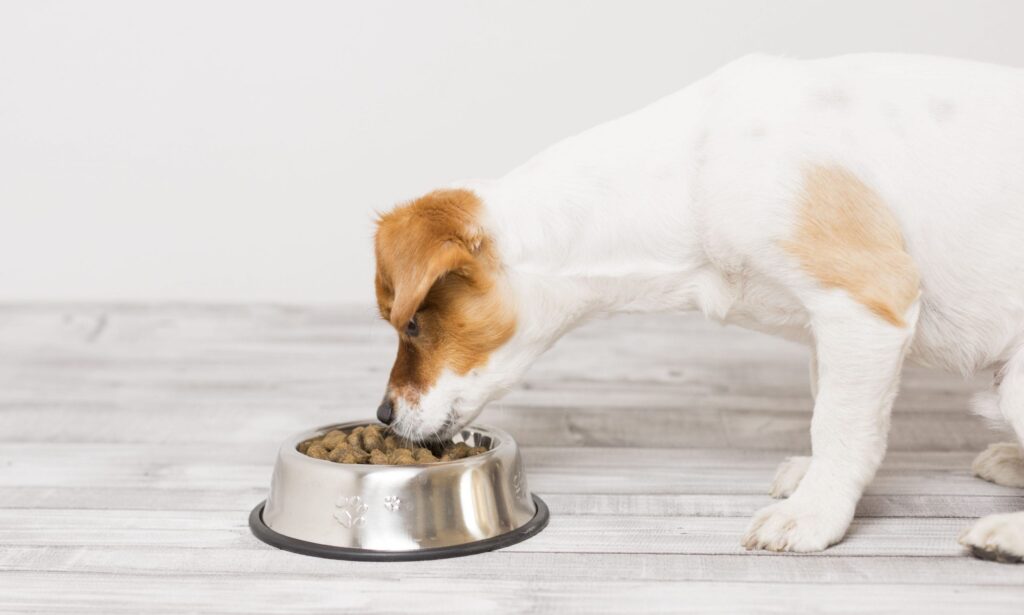
Photo by Eva Blanco/iStock
Dogs with cancer go through complex biologic changes that require a delicate nutritional balance.
For pet parents, knowing the best food for dogs with cancer can be a tough road to navigate.
Here are some guidelines plus vet-backed advice on the best canine cancer diet for your bestie.
Key Takeaways
- For a dog with cancer, diet can play a significant role in their quality and length of life.
- Nutrition for dog cancer patients should be tailored by their vet to their unique needs.
- No single diet suits all dogs with cancer, but generally, dogs with cancer should have a diet full of easy-to-digest, fatty, high-quality proteins.
- A dog's diagnosis, treatment plan, weight, overall health, and appetite can all influence a vet's feeding recommendations.
What Is a Dog Cancer Diet?
There are lots of components at play when your pup is fighting cancer. But diet can be a surprisingly important factor, says Carol Osborne, DVM, of Chagrin Falls Veterinary Center & Pet Clinic in Ohio.
“We prescribe diets in which we try to maintain the animal’s body weight and body condition…” while still trying to kill the cancer, Dr. Osborne explains.
This often means diets that are:
- Easy to digest
- Low carb (if dogs have a health condition like obesity or diabetes)
- High in quality proteins
- High in quality fats
Dr. Osborne adds that higher levels of omega-3 fatty acids may help reduce tumor inflammation and slow growth.
How Does Cancer Affect Your Dog’s Diet?
Cancer can disrupt much of a dog’s digestive process, which means it might help to adjust what they eat.
Depending on where the tumor or tumors are located, cancer itself can cause symptoms that affect digestion and eating, including:
- Vomiting (may be blood-tinged or have a “coffee-grounds” appearance)
- Diarrhea
- Loss of appetite
- Weight loss
- Bright red blood in the stool or dark, tarry stools
- Drooling
- Mouth sores
- Difficulty chewing
Cancer treatment can also cause digestive issues such as:
- Decreased saliva production (known as xerostomia or dry mouth)
- Mouth ulcers
- Many of the same symptoms above that can be caused by the disease itself
In other words, a dog’s quality of life can be greatly diminished by both cancer and its treatment.
However, it’s vital to consult with a veterinarian, oncologist, or animal nutrition specialist to ensure you feed your dog the proper diet during this challenging time.
Some pet parents are understandably so anxious to comfort and show love to their furry friend that they may overfeed their pet, while others may feed their pup improperly balanced diets, says Adam Christman, DVM, chief veterinary officer for dvm360. Unfortunately, both well-intended acts are blunders that could make your pup feel even sicker.
Dog Cancer Diet: Where To Start
The ideal dog cancer diet is as unique as each dog themselves. But there are general guidelines many vets follow.
- Don’t make changes to your dog’s diet until you’ve consulted a veterinarian or oncologist. A primary goal of feeding a dog with cancer is ensuring they maintain their body weight, says Sara Ochoa, DVM, a veterinarian at Animal Hospital of West Monroe in Louisiana. You wouldn’t want to make a change that compromises your dog’s appetite. Talk to your vet first.
- Avoid switching up your dog’s food too often. This is a major mistake pet parents make, Dr. Ochoa says, and it can lead to more diarrhea and vomiting.
- Slowly mix and match foods when your vet says it’s OK. This can give dogs a variety of flavors, which might be an especially nice appetite booster if they’re undergoing chemotherapy. Dr. Ochoa recommends gradually feeding dogs different flavors of the same brand of food to avoid stomach upset.
Best Foods for Dogs With Cancer
There’s no single best dog food for dogs with cancer.
However, Dr. Osborne recommends a diet full of easy-to-digest fatty high-quality proteins, such as:
- Chicken
- Turkey
- Pork
- Fish
- Eggs
- Different cuts of meat or fish have varying amounts of fat, so read labels when you look for these ingredients in store-bought dog foods or prepare homemade dishes with those ingredients.
Generally, most major brands—for example, Iams, Purina, Royal Canin, and Hill’s—will have complete and balanced ingredients that will be adequate for your dog, but you can ask your vet to be sure.
The best diet for any dog can vary, but general guidelines include:
- About 30–40% protein on a dry matter basis (without the moisture content included in the calculation)
- Less than 25% carbohydrates on a dry matter basis
- More than 2.5% fiber on a dry matter basis
- 25–40% fat on a dry matter basis
Nutritional labels can be difficult to understand, so don’t feel shy about asking your vet for help when determining which food is the best match for your pup, whether it’s:
- Store-bought dog food
- Homemade meals
- Supplements
- Superfoods
Store-Bought Dog Food
Hill’s Prescription Diet ONC Care Dry Dog Food is a specially formulated, high-quality-protein store-bought food for dogs with cancer.
Recommended Products
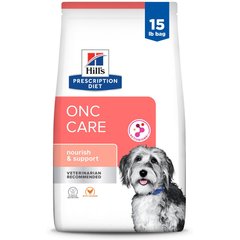
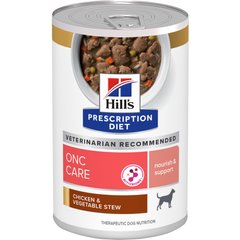
- Supports your dog’s gut bacteria for a healthy GI microbiome balance
- Includes essential omega-3 fatty acids that provide immune system support
- Has a unique blend of prebiotics that provide consistent stool quality
Before switching your dog’s food, though, check with your veterinarian, who can recommend the best store-bought choice for your dog.
Homemade Meals for Dogs
Pet parents who cook their own meals for their dog should ensure chicken, pork, fish, and organ meats such as liver are thoroughly cooked to kill microbes both inside and on the surface of the meat, Dr. Christman says.
Also, remember that you want your dog to maintain their weight.
“You are not looking for lean cuts. You are looking for cuts with fat,” Dr. Osborne says. “When it comes to vegetables, look for cruciferous ones. Certain cruciferous vegetables, including cauliflower and turnips, have cancer-fighting properties.”
Before feeding your pet a homemade diet, however, seek advice from your vet or a board-certified veterinary nutritional specialist, who can ensure the diet is balanced and individually tailored for your pet.
Supplements To Give a Dog With Cancer
Supplements may help ensure your dog with cancer has a balanced diet, especially if the pet parent is cooking the food, Dr. Ochoa says.
Dr. Christman says your veterinarian may recommend:
- Probiotics: Probiotics boost the amount of good bacteria that competes with harmful bacteria for nutrients. This helps support a healthy immune system.
- Vitamin B complex: B vitamins are essential for the immune system and digestive tract function.
- Amino acids: Amino acids are the basic building blocks of proteins, which form muscle and other body tissues.
- Iron: Iron is a key component of hemoglobin, which binds to and transports oxygen around the body, says Dr. Christman. Giving an iron supplement to cancer patients can help combat anemia.
- EPA and DHA: EPA and DHA are omega-3 fatty acids that may help by reducing tissue damage and decreasing the risk of cancer cachexia, which is the severe loss of both muscle and fat.
None of these supplements fight the disease, but they may help support your dog’s nutritional needs during this time.
CBD is a type of hemp oil used by some pet parents, but most veterinarians say the jury’s still out on benefits for dogs, and there may be risks involved as well.
In addition, CBD is not currently FDA-approved, so there can be great variation in quality and purity of the products.
Never try any new supplement without your veterinarian’s approval.
Superfoods for Your Dog
There’s no such thing as a miracle food, but some human foods are considered extra healthy since they’re rich in antioxidants, which can reduce cell damage, and they may lower inflammation in the body.
Still, these superfood treats, while healthy, should never make up more than 10% of your dog’s daily caloric intake (just like any other treat).
Some of the most popular superfoods for dogs include:
- Broccoli
- Kale
- Chicken
- Fish, such as salmon
- Organ meat
- Eggs
- Strawberries
- Blueberries
- Blackberries
Consult your veterinarian before offering these foods.
What To Do If Your Dog Loses Their Appetite
If your dog begins to lose their appetite from cancer or from chemotherapy, there are a few tricks you can try:
- Lightly season their food with a tiny amount of a pet-safe spice or store-bought dog-safe seasoning
Recommended Product
- Warm up wet food to increase the aroma (make sure it’s not too hot before serving)
- Soak dry kibble in warm water to soften it
- Add a bit of pumpkin to their food, which may ease digestive issues
Recommended Product
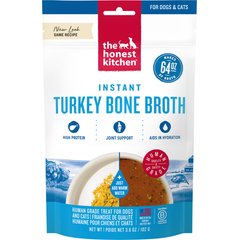
- Top their kibble or wet food with an enticing bone broth topper
Recommended Products
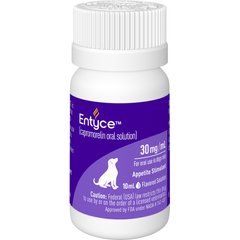
- Ask your veterinarian about prescribing an appetite stimulant, like Entyce
Recommended Product
Helping your dog with cancer fight the disease and get back to normal life is an incredibly trying time, but your dog will likely appreciate that you’ve given them the best chance at starting over—including a healthy diet that will help them heal and be a tasty, encouraging treat too.
FAQs About What To Feed a Dog With Cancer
Should dogs with cancer eat grain-free diets?
No, most dogs with cancer do not need grain-free diets unless they are already sensitive or allergic to grain. It is a myth that removing carbohydrates and grains “starves” the cancer cells that use glucose for fuel. Most dogs with cancer should eat a balanced diet of fat, protein, and some carbohydrates, including grains.
What food is good for dogs with cancer?
Generally, dogs with cancer benefit from an easy-to-digest diet that contains fatty, high-quality proteins like chicken, turkey, pork, fish, and eggs. However, the best diet for any dog is determined by their vet, based on their individual health issues, weight, age, and other factors.
Are there superfoods for dogs with cancer?
No food can cure cancer, but superfoods fed in reasonable amounts can be a healthy treat for pups with cancer.
What should you not feed a dog with cancer?
For the most part, there is no set list of off-limit foods for dogs with cancer. When choosing a dog food, it’s best to stick with brands that meet nutritional standards established by AAFCO for complete and balanced nutrition, or ask your primary veterinarian for diet advice if your dog needs a special diet.
Attributions
This content was medically reviewed by Chewy vets.